MenB vaccine: why UK experts want teenagers from 15 to get it free

England's expert vaccination advisory body has recommended that the government offer the meningococcal B (MenB) vaccine free to all teenagers from age 15. The recommendation follows an outbreak in Kent earlier this year that killed two people, with advisers stressing that adolescence is a critical window for the disease's spread.
MenB is caused by serogroup B of the meningococcal bacteria and can lead to meningitis and blood poisoning, or sepsis. England currently offers the MenB vaccine only to infants, given in three doses from birth as part of the national immunisation schedule. There is no routine MenB vaccine currently available for teenagers or young adults.
The reason experts are targeting teenagers is epidemiological. Studies show that the proportion of people carrying meningococcal bacteria in their nose and throat without symptoms peaks in the 15-to-19 age group. This age group is among the communities where the bacteria spreads fastest, driven by factors such as starting university, dormitory living and intense social contact.
The Kent outbreak served as a stark reminder of that risk. Several cases emerged in the region within a short period and two people died; officials classified the situation as a cluster, and local public health teams launched contact tracing. Such clusters are rare, but they illustrate how quickly meningococcal disease can progress.
The clinical course of the illness adds urgency to the vaccine debate. MenB-caused meningitis can worsen within hours of the first symptoms appearing; fever, neck stiffness, sensitivity to light and a rash are among the classic warning signs. If sepsis develops, delayed treatment can lead to organ failure and death.
Vaccine manufacturers and public health economists are also weighing the cost of a teenage MenB programme. Such a programme would require an additional budget line on top of the existing infant schedule; but supporters argue the investment would pay for itself when weighed against the intensive-care costs and potential lasting disability of each prevented case.
A similar step was taken previously when the MenACWY vaccine, covering serogroups A, C, W and Y, was made routine at the start of university; that vaccine is now given in England's schools at around age 14. Experts suggest MenB could be offered at a similar age, through a similar delivery model of school-based vaccination clinics.
The government's final decision is expected once the Joint Committee on Vaccination and Immunisation (JCVI) completes its full cost-effectiveness assessment. Such assessments typically take months and determine when and how a vaccine is added to the national health service budget.
Families and schools also have a role to play in the meantime: health officials stress that until the vaccine is added to the schedule, families learning to recognise meningitis symptoms and seeking emergency care without delay in suspected cases can save lives.
If the recommendation is adopted, England would become one of a small number of countries to routinely offer the MenB vaccine to teenagers, a step that could serve as a reference point for other health systems weighing similar vaccination programmes worldwide.
Read next

Second death reported in New York City legionnaires' disease outbreak
A second person has died in a legionnaires' disease outbreak that has sickened dozens of people in New York City, health officials say, even as they report evidence the source of the bacteria has likely been eliminated.

A common antidepressant may ease long COVID's crushing fatigue, trial finds
A randomized clinical trial of nearly 400 adults found that fluvoxamine, a low-cost, decades-old antidepressant, significantly reduced fatigue and improved quality of life in people with long COVID, making it one of the first medications to show a meaningful benefit for the debilitating symptom.
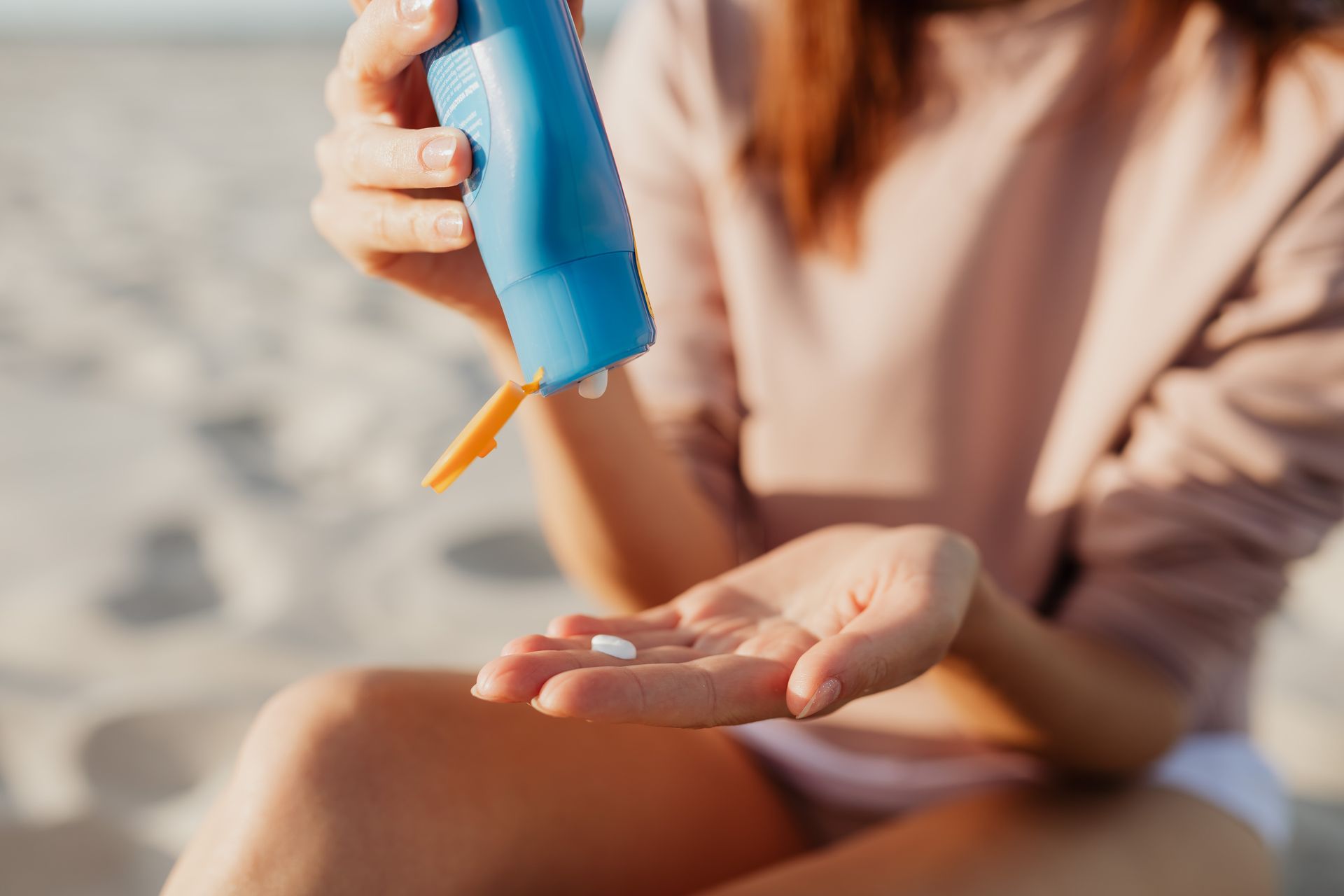
Mineral sunscreen without the chalky white cast: what UCLA's new formula changes
Mineral sunscreens are prized for being gentler on skin than chemical alternatives, but they have long left users with a visible white cast. Scientists at UCLA say they have redesigned the zinc oxide particles at the heart of the problem, aiming to make mineral sunscreen usable across all skin tones.

Menopause hormone therapy: what it actually treats, and what it doesn't
Menopause hormone therapy has swung from being widely feared to widely recommended, but doctors say expectations have overtaken the evidence. Here is what the treatment reliably helps with, what it doesn't, and how the science has shifted over two decades.

FDA still points to Taylor Farms lettuce in cyclospora outbreak despite a faulty test
US regulators say they remain focused on lettuce supplied by Taylor Farms as the likely source of a multistate cyclospora outbreak, even after one laboratory test used to support that theory turned out to be faulty. Restaurant visits tied to the outbreak have started to decline.