FDA still points to Taylor Farms lettuce in cyclospora outbreak despite a faulty test
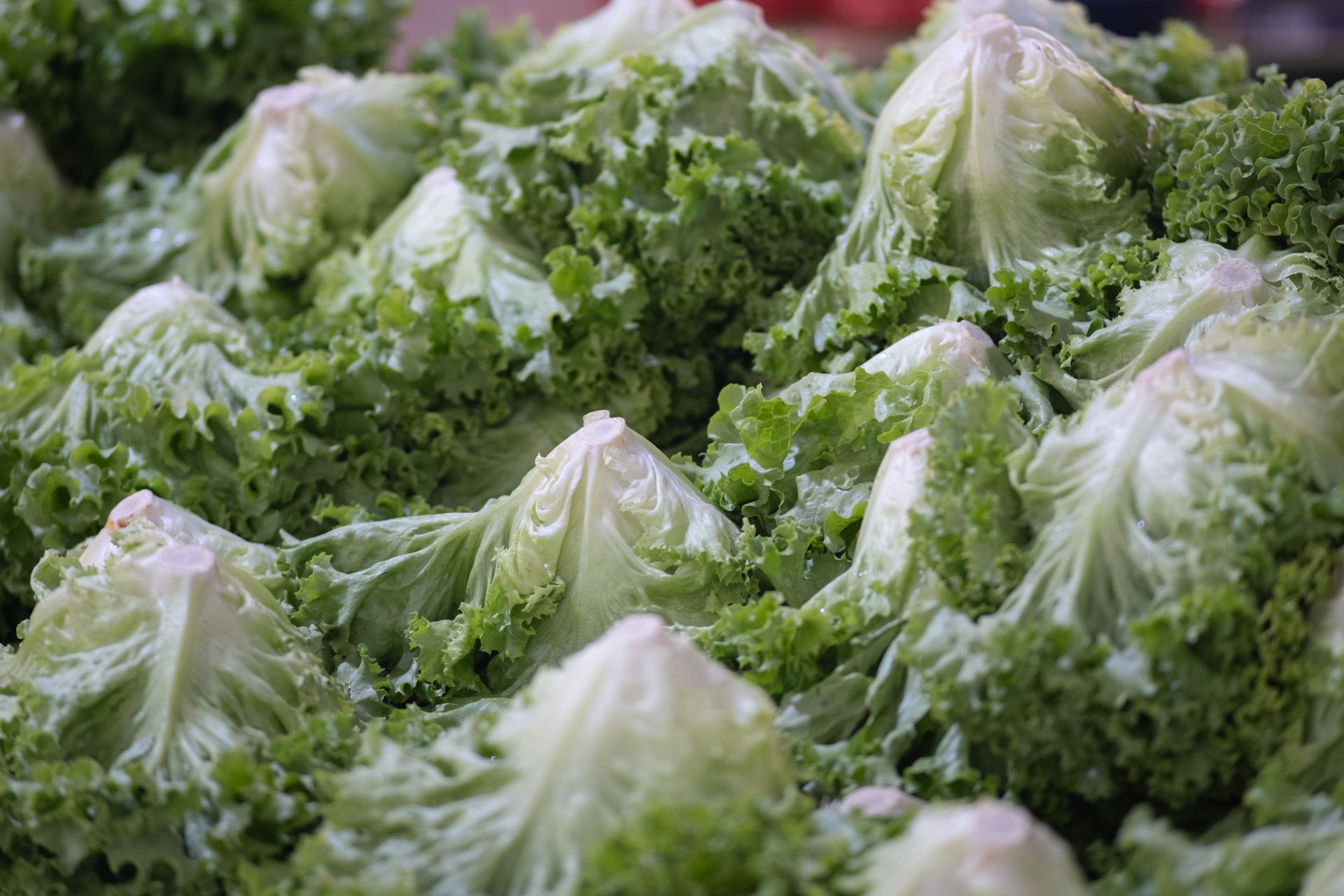
The US Food and Drug Administration says it remains focused on lettuce supplied by Taylor Farms as the likely source of a multistate outbreak of cyclospora, a parasite that causes prolonged, watery diarrhea, even after a laboratory test that had been cited as supporting evidence turned out to be flawed. The agency said Monday its broader epidemiological picture, built from case interviews and supply-chain tracing, still points toward the same supplier.
The outbreak first drew wide attention after cases were traced to Taylor Farms iceberg lettuce used by a number of restaurant chains, prompting recalls across more than two dozen states. Health officials said the pattern of illness, clustered around restaurants that received lettuce from the same processing facility, was consistent with a contaminated produce source even before laboratory confirmation was available.
The complication emerged when a test result initially used to help confirm cyclospora contamination in a lettuce sample was later found to be unreliable, raising questions in some public health circles about how firmly investigators could tie the outbreak to that specific supplier. The FDA said Monday that the faulty result does not change its overall assessment, since the agency's conclusion rests on multiple independent lines of evidence rather than a single lab finding.
Cyclospora is a microscopic parasite that spreads primarily through contaminated food or water, particularly fresh produce that has come into contact with tainted irrigation water or has not been thoroughly washed. Infection, known as cyclosporiasis, typically causes watery diarrhea, loss of appetite, weight loss, cramping, bloating, increased gas, nausea and fatigue, with symptoms that can persist for weeks if untreated.
Unlike many foodborne bacteria, cyclospora is not reliably killed by refrigeration and requires a specific course of antibiotics, most commonly a combination of trimethoprim and sulfamethoxazole, to clear. Its diagnosis often requires a specific stool test that many general practitioners do not order by default, which health officials say has historically led to underdiagnosis and undercounting of cases during outbreaks.
Restaurant chains connected to the affected supply chain have reported a decline in customer visits since the outbreak became public, though the FDA and restaurant operators have not released detailed sales figures. Public health researchers say a temporary dip in foot traffic is a common pattern following high-profile foodborne illness coverage, even at locations that were never directly implicated.
Food safety experts note that produce-linked cyclospora outbreaks have become more frequent in the US over the past decade, a trend some attribute to the increasing volume of fresh produce imported or grown using irrigation practices that can introduce contamination if water sources are compromised. Leafy greens, herbs and berries have been the most commonly implicated categories in past outbreaks.
The FDA has not said whether the investigation will result in further recalls beyond those already issued, and stressed that its inspection of the implicated facility is continuing alongside interviews with sickened patients to refine the timeline of contamination. Officials have urged consumers who purchased recalled lettuce products to discard them rather than attempt to wash off contamination, since cyclospora is resistant to typical produce-washing methods.
Health departments in several of the affected states have continued to log new cases, though the daily rate of newly reported illnesses has slowed compared with the outbreak's peak. Officials caution that reported case counts in cyclospora outbreaks tend to understate the true scale, given how often the illness goes undiagnosed or is mistaken for a routine stomach bug.
The episode has renewed debate among food safety advocates about whether current produce-testing requirements are frequent enough to catch contamination before it reaches restaurants and grocery shelves, a discussion the FDA has said it will factor into a broader review of leafy-green safety practices it has been conducting since a series of earlier outbreaks involving different pathogens.
Read next

Second death reported in New York City legionnaires' disease outbreak
A second person has died in a legionnaires' disease outbreak that has sickened dozens of people in New York City, health officials say, even as they report evidence the source of the bacteria has likely been eliminated.

A common antidepressant may ease long COVID's crushing fatigue, trial finds
A randomized clinical trial of nearly 400 adults found that fluvoxamine, a low-cost, decades-old antidepressant, significantly reduced fatigue and improved quality of life in people with long COVID, making it one of the first medications to show a meaningful benefit for the debilitating symptom.
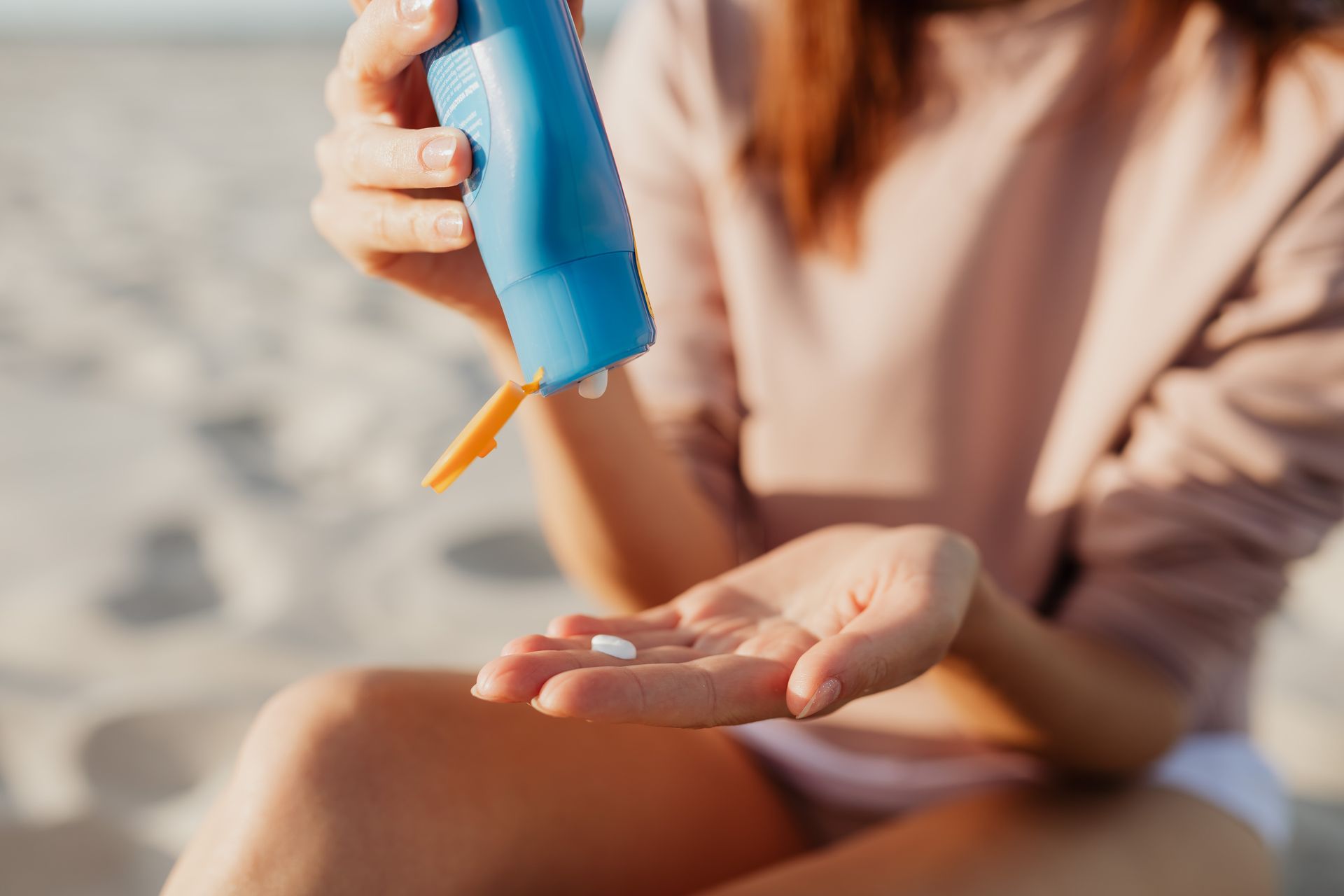
Mineral sunscreen without the chalky white cast: what UCLA's new formula changes
Mineral sunscreens are prized for being gentler on skin than chemical alternatives, but they have long left users with a visible white cast. Scientists at UCLA say they have redesigned the zinc oxide particles at the heart of the problem, aiming to make mineral sunscreen usable across all skin tones.

Menopause hormone therapy: what it actually treats, and what it doesn't
Menopause hormone therapy has swung from being widely feared to widely recommended, but doctors say expectations have overtaken the evidence. Here is what the treatment reliably helps with, what it doesn't, and how the science has shifted over two decades.

Alpha-gal syndrome: the tick bite that makes people allergic to red meat
Alpha-gal syndrome is a rare allergy triggered by a tick bite that can leave people unable to safely eat red meat or other mammal products. Cases are rising along Australia's east coast, and doctors say the condition is still widely misunderstood.