Second death reported in New York City legionnaires' disease outbreak

New York City's health department has confirmed a second death connected to an ongoing outbreak of legionnaires' disease that has sickened dozens of people, most of them concentrated in the Upper East Side area of Manhattan. Officials disclosed the second fatality in a statement over the weekend, offering no details about the identity, age or underlying health status of the person who died.
The announcement came a day after city officials confirmed the outbreak's first death, also in a patient on Manhattan's Upper East Side, where the majority of confirmed cases have been clustered. Health authorities have not released a running total of cases updated to match the second death, though they have described the outbreak as continuing to affect dozens of residents in the area.
Legionnaires' disease is a severe form of pneumonia caused by legionella bacteria, which typically grow in warm water systems such as cooling towers, hot tubs, decorative fountains and large building plumbing systems. People become infected by inhaling contaminated water droplets or mist rather than through person-to-person contact, meaning outbreaks are generally traced to a shared environmental source rather than close contact between patients.
Symptoms usually begin two to fourteen days after exposure and can include cough, shortness of breath, fever, muscle aches and headaches, closely resembling other forms of pneumonia in their early stages. The disease is treatable with antibiotics when caught promptly, but can progress rapidly, particularly in older adults, smokers, and people with weakened immune systems or chronic lung conditions.
City health officials said there is evidence that the specific environmental source responsible for the outbreak has likely been eliminated, typically achieved through disinfection and remediation of the cooling tower or water system identified as the point of contamination. Officials have not named the specific building or system involved, citing an ongoing investigation.
New York City has dealt with legionnaires' outbreaks before, including a notable cluster in the South Bronx in 2015 that led to new regulations requiring regular testing and disinfection of cooling towers across the city. Those rules require building owners to register cooling towers with the health department and conduct routine legionella testing, a system credited with helping identify and respond to clusters more quickly than in the years before the regulations took effect.
Despite that regulatory framework, sporadic outbreaks have continued to occur, underscoring the difficulty of eliminating legionella bacteria entirely from a dense urban environment with thousands of cooling towers and complex plumbing systems, many of which require diligent, ongoing maintenance to prevent bacterial growth even under current inspection rules.
Health officials have urged residents in the affected area who develop flu-like symptoms, particularly a persistent cough, fever or difficulty breathing, to seek medical attention promptly and to inform their doctor about the ongoing outbreak, since early treatment with the correct antibiotics significantly improves outcomes. People without respiratory symptoms are not considered at meaningful risk and do not need testing or precautionary treatment.
Public health researchers note that legionella outbreaks tend to cluster in summer months, when warmer ambient temperatures create more favorable conditions for bacterial growth in water systems that are not adequately maintained, a seasonal pattern documented in outbreak data across multiple US cities in past years.
The city's health department said it will continue monitoring the affected area for new cases in the coming days and weeks, the typical window during which a legionella outbreak either resolves following successful remediation of its source or, less commonly, reveals additional contamination points requiring further investigation.
Read next

A common antidepressant may ease long COVID's crushing fatigue, trial finds
A randomized clinical trial of nearly 400 adults found that fluvoxamine, a low-cost, decades-old antidepressant, significantly reduced fatigue and improved quality of life in people with long COVID, making it one of the first medications to show a meaningful benefit for the debilitating symptom.
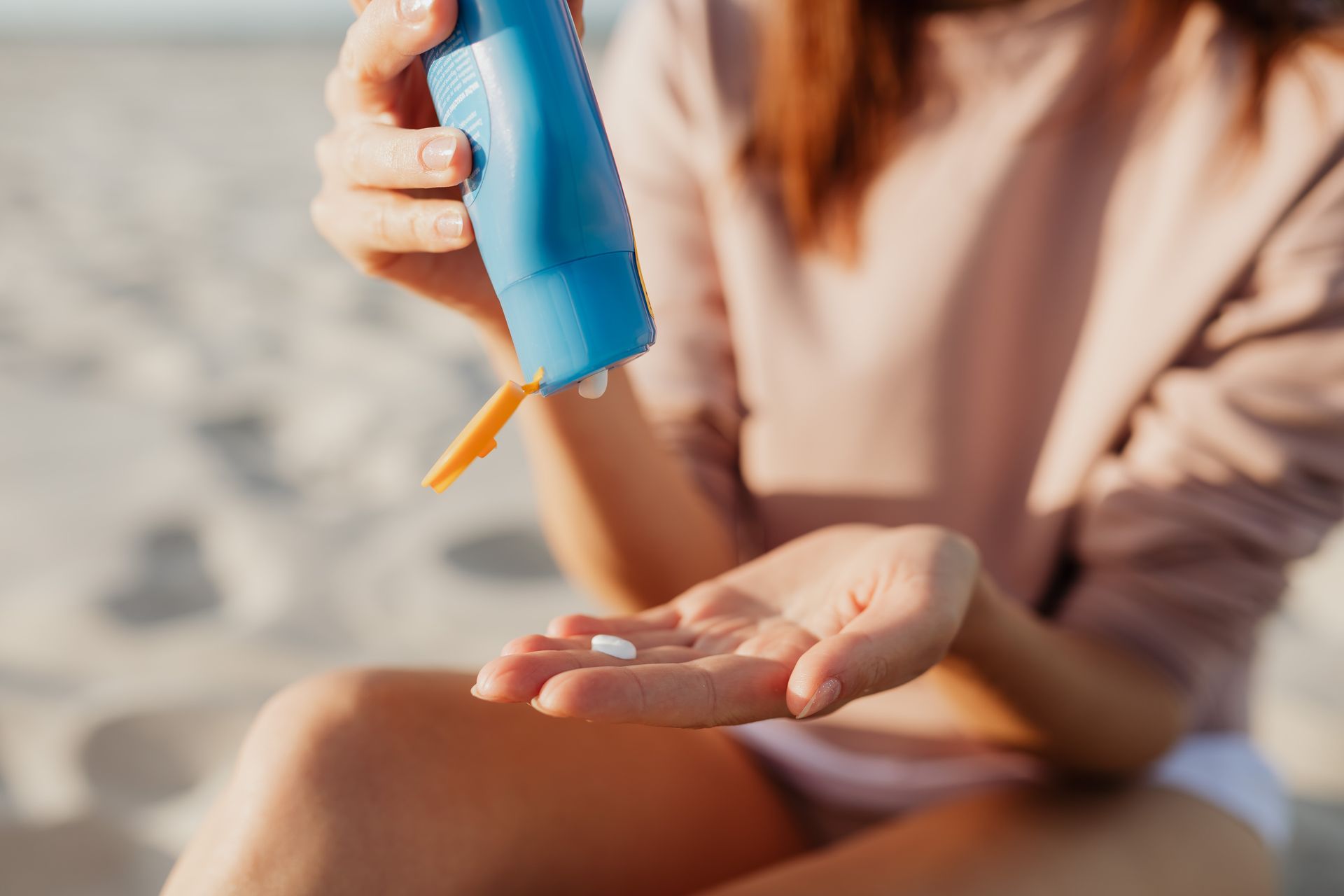
Mineral sunscreen without the chalky white cast: what UCLA's new formula changes
Mineral sunscreens are prized for being gentler on skin than chemical alternatives, but they have long left users with a visible white cast. Scientists at UCLA say they have redesigned the zinc oxide particles at the heart of the problem, aiming to make mineral sunscreen usable across all skin tones.

Menopause hormone therapy: what it actually treats, and what it doesn't
Menopause hormone therapy has swung from being widely feared to widely recommended, but doctors say expectations have overtaken the evidence. Here is what the treatment reliably helps with, what it doesn't, and how the science has shifted over two decades.

FDA still points to Taylor Farms lettuce in cyclospora outbreak despite a faulty test
US regulators say they remain focused on lettuce supplied by Taylor Farms as the likely source of a multistate cyclospora outbreak, even after one laboratory test used to support that theory turned out to be faulty. Restaurant visits tied to the outbreak have started to decline.

Alpha-gal syndrome: the tick bite that makes people allergic to red meat
Alpha-gal syndrome is a rare allergy triggered by a tick bite that can leave people unable to safely eat red meat or other mammal products. Cases are rising along Australia's east coast, and doctors say the condition is still widely misunderstood.