Mineral sunscreen without the chalky white cast: what UCLA's new formula changes
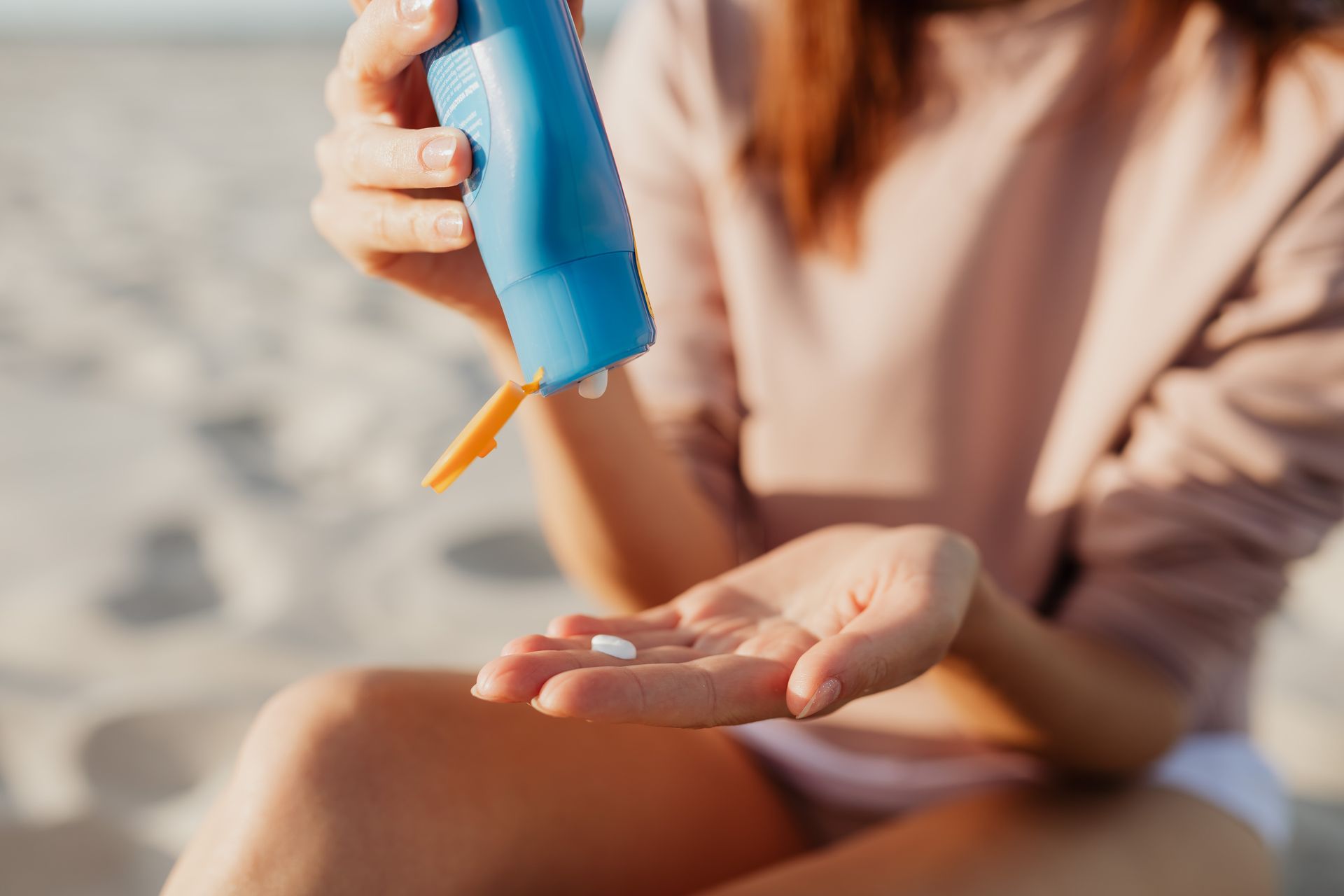
For as long as mineral sunscreens have existed, they have carried a familiar trade-off: gentler on sensitive skin and better tolerated by people prone to irritation, but prone to leaving a visible white or grey cast that many users find cosmetically unacceptable, particularly on medium and darker skin tones. Researchers at UCLA say they have found a way to redesign the underlying particles to substantially reduce that effect while keeping the sun protection intact.
Mineral sunscreens work differently from chemical sunscreens. Rather than absorbing ultraviolet radiation and converting it to heat, ingredients like zinc oxide and titanium dioxide sit on the skin's surface and physically reflect and scatter UV rays. This mechanism is part of why dermatologists frequently recommend mineral formulas for people with sensitive skin, rosacea, or a history of reacting badly to chemical filters like oxybenzone.
The white cast has always been a byproduct of the physics involved. Zinc oxide particles need to be a certain size to scatter UV light effectively, but particles in that size range also scatter visible light, which the human eye perceives as a whitish or chalky film. Manufacturers have experimented for years with nanoparticle formulations to shrink the effect, with mixed cosmetic success and some public debate over nanoparticle safety, even though regulatory reviews have generally found topical zinc oxide nanoparticles do not penetrate healthy skin in meaningful amounts.
The UCLA team took a different approach, engineering the shape and surface structure of the zinc oxide particles rather than simply shrinking their size. According to the researchers, this restructuring allows the particles to scatter UV radiation efficiently while transmitting more visible light through to the skin underneath, reducing the amount of whitening the eye perceives without compromising the particle's ability to block UV rays.
Early testing described by the team found the reformulated SPF 30 sunscreen provided protection comparable to existing mineral formulas while leaving a substantially less visible residue across a range of skin tones tested. The researchers say this broader compatibility could make mineral sunscreen a more realistic daily option for people who currently avoid it specifically because of the cosmetic issue, rather than switching to chemical alternatives some of them would otherwise prefer to avoid.
Dermatologists have long pointed to cosmetic acceptability as one of the biggest, and most overlooked, barriers to consistent sunscreen use. Sun protection only works if people actually apply it in sufficient quantity and reapply it through the day, and surveys of patients with medium to deep skin tones have repeatedly found that visible whitening is one of the most commonly cited reasons for skipping mineral sunscreen altogether or applying far less than the recommended amount.
The research adds to a broader push within dermatology and materials science to close what some specialists describe as an equity gap in sun-care formulation, given that mineral sunscreens have historically been developed and tested with lighter skin tones as the default reference point. Melanoma and other skin cancers occur less frequently in people with darker skin, but are often diagnosed later and carry worse outcomes, a disparity researchers partly attribute to lower rates of consistent sun protection use.
The formulation described by the UCLA team has not yet reached commercial shelves, and the researchers caution that translating a promising laboratory result into a mass-market product typically involves additional stability testing, cost analysis and regulatory review that can take years. Sunscreen ingredients in particular face a lengthy approval pathway in markets like the United States, where new active ingredients have rarely been approved in recent decades.
In the meantime, dermatologists say existing mineral sunscreen formulas, white cast included, remain a reasonable choice for sensitive skin, and that techniques like using a small, tinted amount, applying a thin even layer, or choosing formulas already marketed as tinted for a closer match to skin tone can meaningfully reduce the visible effect while the newer particle designs move toward the market.
If the reformulated particles do eventually reach consumer products, researchers say the bigger long-term significance may be less about cosmetics and more about consistency: sunscreen that people are willing to wear every day, not just on vacation, is ultimately more protective than a technically superior formula left in a drawer because of how it looks on skin.
Read next

Second death reported in New York City legionnaires' disease outbreak
A second person has died in a legionnaires' disease outbreak that has sickened dozens of people in New York City, health officials say, even as they report evidence the source of the bacteria has likely been eliminated.

A common antidepressant may ease long COVID's crushing fatigue, trial finds
A randomized clinical trial of nearly 400 adults found that fluvoxamine, a low-cost, decades-old antidepressant, significantly reduced fatigue and improved quality of life in people with long COVID, making it one of the first medications to show a meaningful benefit for the debilitating symptom.

Menopause hormone therapy: what it actually treats, and what it doesn't
Menopause hormone therapy has swung from being widely feared to widely recommended, but doctors say expectations have overtaken the evidence. Here is what the treatment reliably helps with, what it doesn't, and how the science has shifted over two decades.

FDA still points to Taylor Farms lettuce in cyclospora outbreak despite a faulty test
US regulators say they remain focused on lettuce supplied by Taylor Farms as the likely source of a multistate cyclospora outbreak, even after one laboratory test used to support that theory turned out to be faulty. Restaurant visits tied to the outbreak have started to decline.

Alpha-gal syndrome: the tick bite that makes people allergic to red meat
Alpha-gal syndrome is a rare allergy triggered by a tick bite that can leave people unable to safely eat red meat or other mammal products. Cases are rising along Australia's east coast, and doctors say the condition is still widely misunderstood.