Why chewing gum after eating beetroot could briefly lower your blood pressure
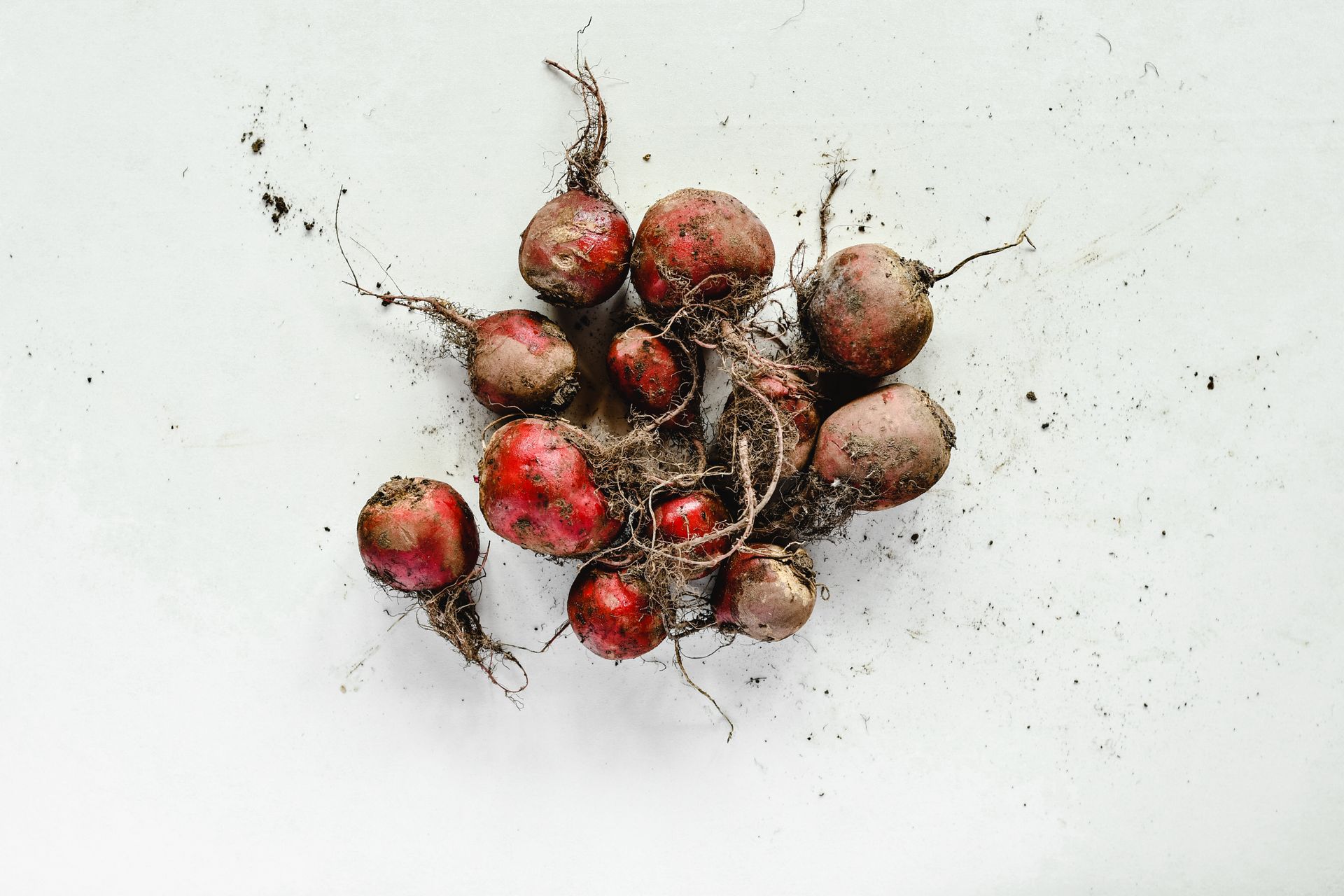
It sounds like an unlikely combination: beetroot juice and bubble gum. But a new study suggests that pairing the two, in a specific order, may briefly boost the body's production of a compound linked to lower blood pressure, offering a small but genuinely interesting window into how the mouth's bacteria interact with what we eat.
The starting point is nitrate, a compound found in high concentrations in beetroot, spinach, celery and other leafy vegetables. On its own, dietary nitrate doesn't do very much. To become biologically useful, it has to be converted into nitrite, and then further converted into nitric oxide, a molecule that relaxes and widens blood vessels, easing blood flow and lowering blood pressure in the process. This is the same nitric oxide pathway that underlies why diets rich in vegetables are consistently linked to better cardiovascular outcomes.
The conversion from nitrate to nitrite doesn't happen in the stomach or the bloodstream. It happens in the mouth, courtesy of specific bacteria that live on the back of the tongue and use nitrate as part of their own metabolism, producing nitrite as a byproduct. That nitrite is then swallowed, absorbed into the bloodstream, and converted the rest of the way into nitric oxide. It's a genuinely unusual example of the body relying on its own resident bacteria to unlock a nutrient's cardiovascular benefit, rather than doing the conversion with human enzymes alone.
This is where the chewing gum comes in. Researchers wanted to know whether chewing gum after consuming nitrate-rich foods or beverages could enhance this bacterial conversion process, reasoning that the act of chewing stimulates saliva production and prolongs the contact time between nitrate and the bacteria responsible for converting it. In the study, participants who chewed sugary gum after consuming a nitrate-rich beverage showed measurably higher levels of nitrite in their saliva and blood compared with those who didn't chew gum afterward, and this was followed by a modest, temporary reduction in blood pressure.
It's worth being clear about the scale of what was found. This was a small study measuring short-term physiological changes, not a long-term clinical trial demonstrating that chewing gum after beetroot juice prevents heart disease or reduces the need for blood pressure medication. The blood pressure drop observed was real but modest and temporary, the kind of effect that shows a mechanism is working rather than one that would replace medical treatment for anyone with diagnosed hypertension.
What makes the finding useful is less the gum itself and more what it reveals about the broader nitrate-nitrite-nitric oxide pathway, and how fragile that pathway can be to disruption. Researchers note, for instance, that using antibacterial mouthwash has been shown in other studies to significantly blunt the blood-pressure-lowering effects of eating nitrate-rich vegetables, precisely because it kills off the bacteria responsible for the nitrate-to-nitrite conversion. That's a striking illustration of how something as simple as oral hygiene habits can interact with the cardiovascular benefits of a vegetable-rich diet in ways most people would never suspect.
The researchers behind the new work say their interest isn't really in promoting bubble gum as a health intervention, but in better understanding how to enhance the delivery of dietary nitrate's benefits without relying on sugar-laden gum as the vehicle. Future formulations, they suggest, could use non-sugar sweeteners or specially designed lozenges that stimulate saliva flow and prolong the nitrate-nitrite conversion window without the drawbacks of added sugar consumed repeatedly throughout the day.
For now, the more practically useful takeaway sits with the underlying vegetables rather than the gum: nitrate-rich foods like beetroot, spinach, arugula and celery remain one of the more consistently supported dietary interventions linked to modest blood pressure benefits, provided the bacteria that make the conversion possible are given the chance to do their job, undisrupted by antibacterial mouthwash, and, this new study suggests, perhaps assisted by a little extra chewing.
Read next

Second death reported in New York City legionnaires' disease outbreak
A second person has died in a legionnaires' disease outbreak that has sickened dozens of people in New York City, health officials say, even as they report evidence the source of the bacteria has likely been eliminated.
A common antidepressant may ease long COVID's crushing fatigue, trial finds
A randomized clinical trial of nearly 400 adults found that fluvoxamine, a low-cost, decades-old antidepressant, significantly reduced fatigue and improved quality of life in people with long COVID, making it one of the first medications to show a meaningful benefit for the debilitating symptom.
Mineral sunscreen without the chalky white cast: what UCLA's new formula changes
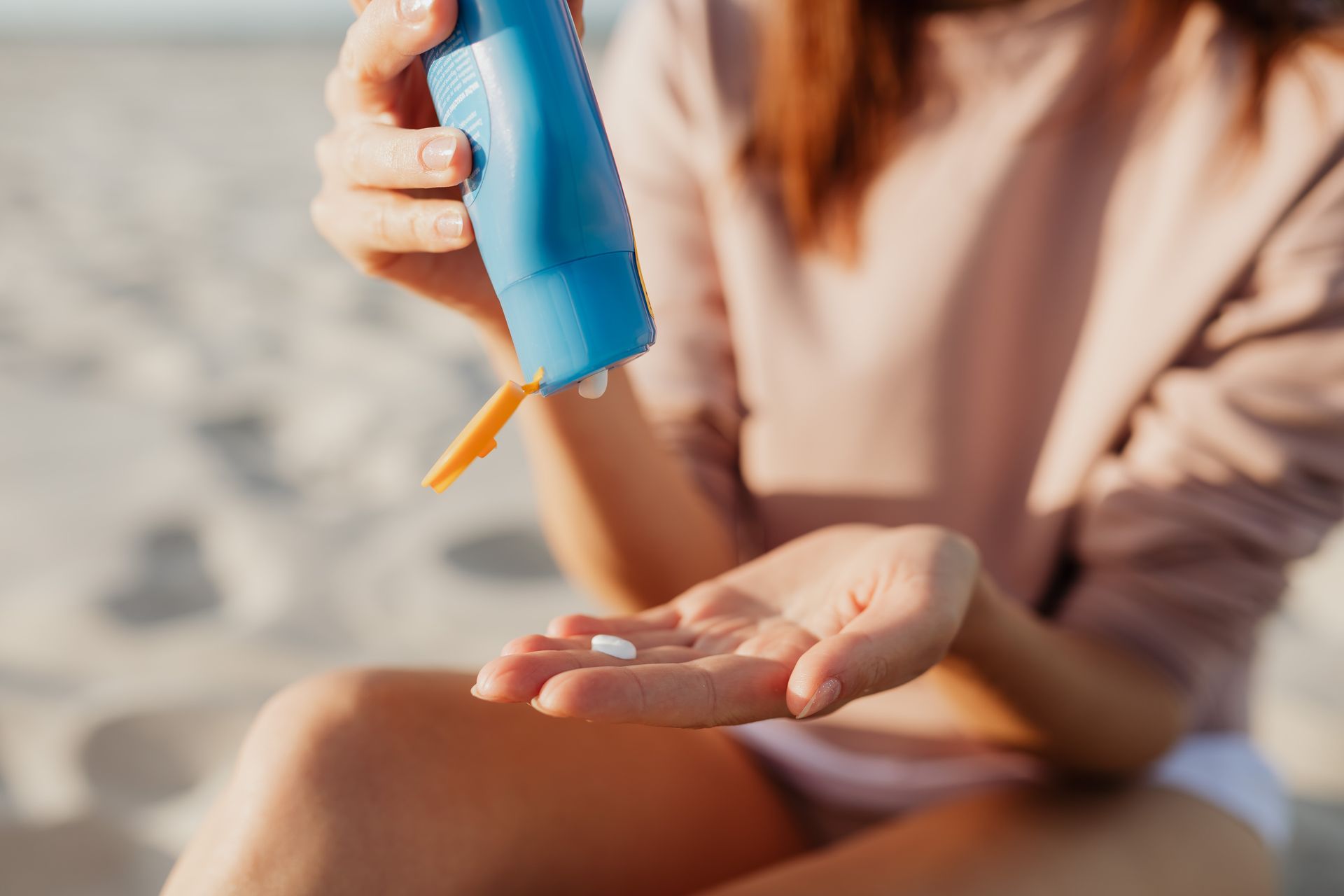
Mineral sunscreens are prized for being gentler on skin than chemical alternatives, but they have long left users with a visible white cast. Scientists at UCLA say they have redesigned the zinc oxide particles at the heart of the problem, aiming to make mineral sunscreen usable across all skin tones.

Menopause hormone therapy: what it actually treats, and what it doesn't
Menopause hormone therapy has swung from being widely feared to widely recommended, but doctors say expectations have overtaken the evidence. Here is what the treatment reliably helps with, what it doesn't, and how the science has shifted over two decades.
FDA still points to Taylor Farms lettuce in cyclospora outbreak despite a faulty test
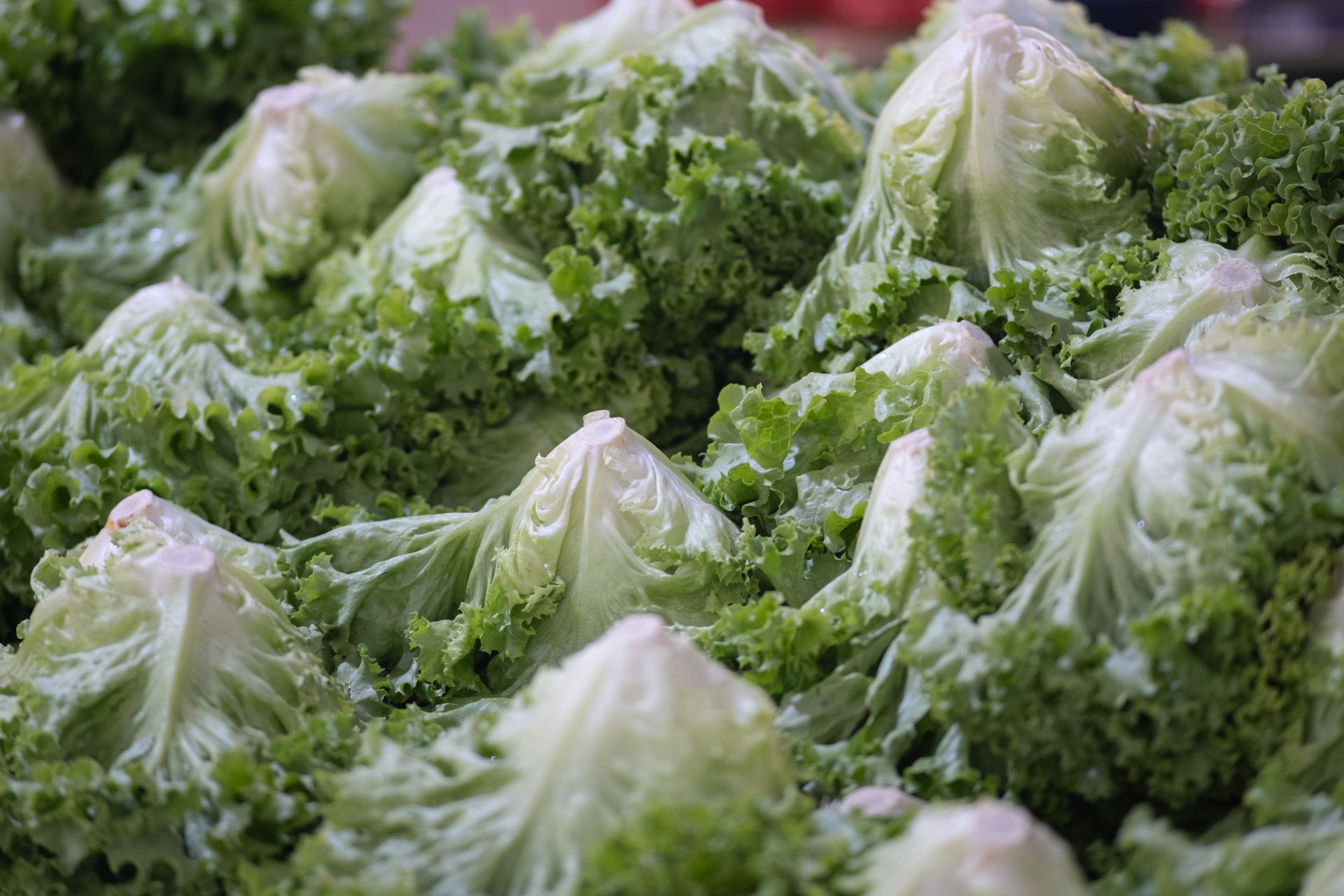
US regulators say they remain focused on lettuce supplied by Taylor Farms as the likely source of a multistate cyclospora outbreak, even after one laboratory test used to support that theory turned out to be faulty. Restaurant visits tied to the outbreak have started to decline.