Taco Bell lettuce confirmed as source of parasite outbreak across five US states
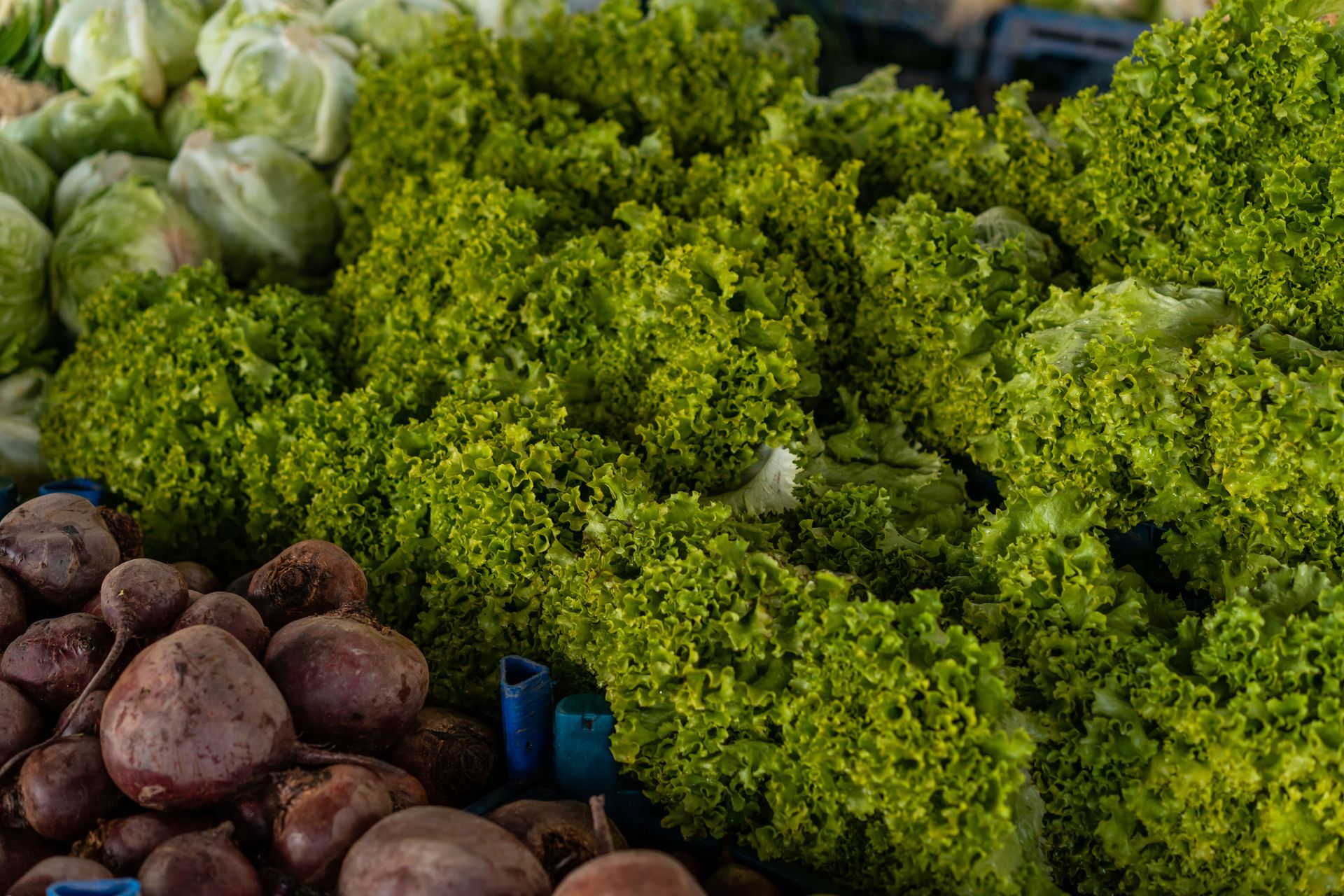
The source of a food-borne outbreak that has been growing for weeks and puzzling officials across the United States has finally been identified: iceberg lettuce served at Taco Bell restaurants. Health officials have confirmed that lettuce used at locations in Indiana, Kentucky, Michigan, Ohio and West Virginia is the direct source of an outbreak of the parasite cyclospora.
The lettuce in question was imported from Mexico and processed and distributed by Taylor Farms. Investigators pieced together the connection by comparing the food histories of sick individuals, finding that nearly every case had eaten at a Taco Bell location in these five states around the time the outbreak began.
Cyclospora is a microscopic parasite that infects the small intestine. After an incubation period that can last up to a week, it causes watery, severe diarrhea, abdominal cramps, loss of appetite, nausea and fatigue. If untreated, symptoms can recur for weeks, and in some cases for months.
The scale of the outbreak has grown at a worrying pace. When the first cases were detected in Michigan in late June, officials expected a small, localised cluster; instead, case counts spread rapidly to four states, then five, reaching a nationwide total of more than 400 confirmed cases.
The Centers for Disease Control and Prevention (CDC) warns that the true number of cases is likely far higher than official figures suggest. Cyclospora infection is often mild or mistaken for another stomach illness, so many people never see a doctor or get tested, meaning a significant share of cases never make it into official statistics.
Following confirmation of the source, Taylor Farms announced a recall of its shredded iceberg lettuce across 27 states — a broad measure suggesting the outbreak may not be confined solely to the batch served at Taco Bell. The company said the recall covers product distributed up until Thursday.
Investigators have not yet pinpointed exactly where the contamination occurred — in the field, at the processing facility, or during transport. Tracing cyclospora cases is particularly difficult because the parasite can survive on the surface of fresh greens for extended periods and is not always fully removed by standard washing methods.
Experts say the outbreak could continue to grow with new cases over the coming two weeks, since the infection's incubation period means people who recently consumed contaminated produce may not yet have developed symptoms. Officials advise anyone experiencing symptoms to seek medical care.
The outbreak underscores once again how complex and difficult to trace the fresh-produce supply chain has become: a single contaminated batch from one farm can, through processing and distribution networks, reach hundreds of restaurants across dozens of states — and identifying the source can take weeks.
Taco Bell said it had halted lettuce supply at the affected locations and switched to an alternative supplier. The company said customer safety was its priority, while health officials confirmed the investigation continues to determine whether the contamination originated in the field or at the processing facility.
Read next

Second death reported in New York City legionnaires' disease outbreak
A second person has died in a legionnaires' disease outbreak that has sickened dozens of people in New York City, health officials say, even as they report evidence the source of the bacteria has likely been eliminated.

A common antidepressant may ease long COVID's crushing fatigue, trial finds
A randomized clinical trial of nearly 400 adults found that fluvoxamine, a low-cost, decades-old antidepressant, significantly reduced fatigue and improved quality of life in people with long COVID, making it one of the first medications to show a meaningful benefit for the debilitating symptom.

Mineral sunscreen without the chalky white cast: what UCLA's new formula changes
Mineral sunscreens are prized for being gentler on skin than chemical alternatives, but they have long left users with a visible white cast. Scientists at UCLA say they have redesigned the zinc oxide particles at the heart of the problem, aiming to make mineral sunscreen usable across all skin tones.

Menopause hormone therapy: what it actually treats, and what it doesn't
Menopause hormone therapy has swung from being widely feared to widely recommended, but doctors say expectations have overtaken the evidence. Here is what the treatment reliably helps with, what it doesn't, and how the science has shifted over two decades.

FDA still points to Taylor Farms lettuce in cyclospora outbreak despite a faulty test
US regulators say they remain focused on lettuce supplied by Taylor Farms as the likely source of a multistate cyclospora outbreak, even after one laboratory test used to support that theory turned out to be faulty. Restaurant visits tied to the outbreak have started to decline.