Focal therapy: what a 10-year NHS trial found about prostate cancer treatment
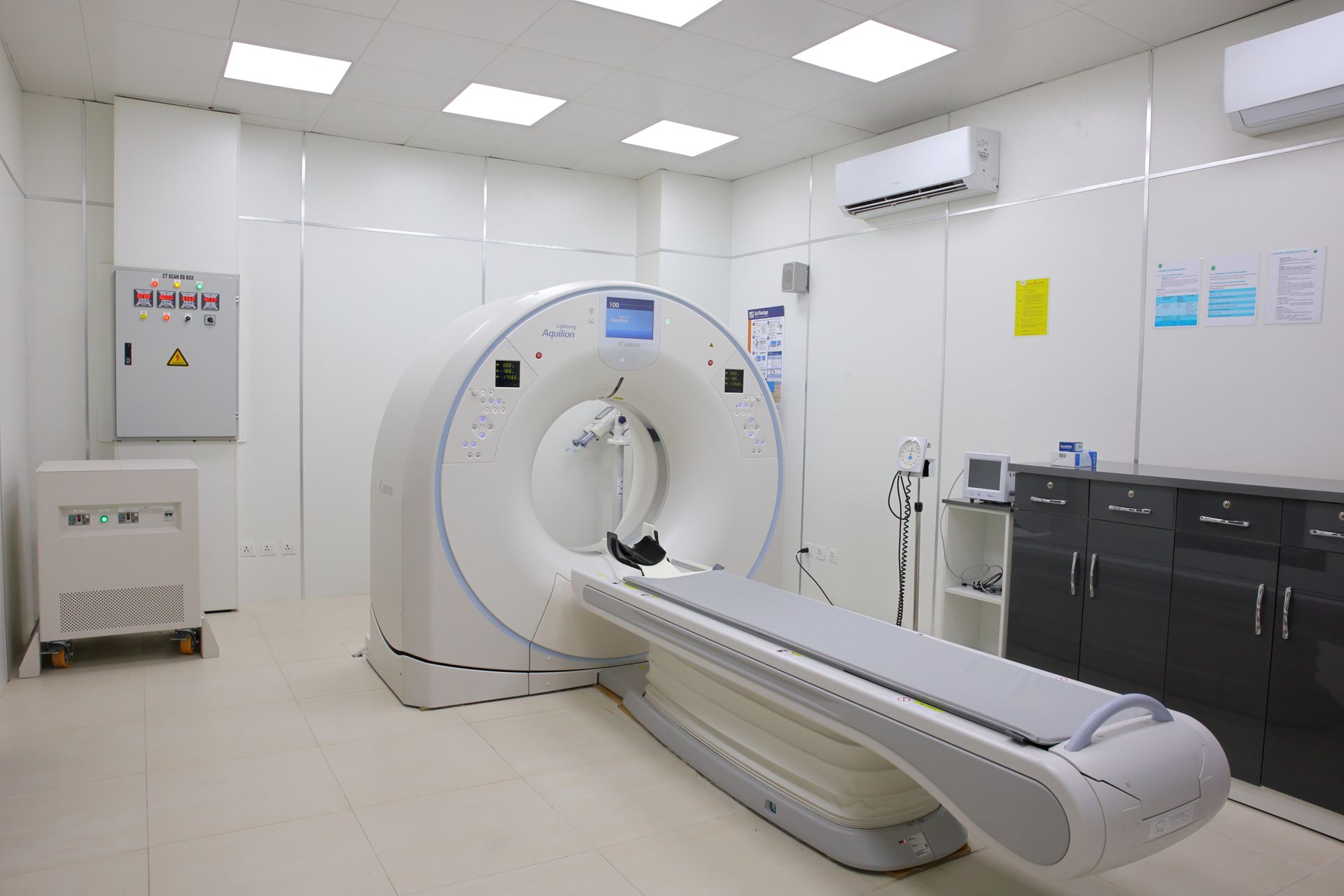
Most men diagnosed with prostate cancer face a stark choice: have the whole gland surgically removed, known as radical prostatectomy, or have it irradiated with radiotherapy. Both approaches are effective at treating the cancer, but because they act on the entire prostate rather than just the tumour, they can leave lasting side effects, chiefly urinary incontinence and erectile dysfunction.
Focal therapy takes a different approach. Using imaging and biopsy data, doctors map the tumour's exact location within the prostate, then treat only that specific area, using techniques such as targeted heat, freezing, or high-intensity focused ultrasound. The rest of the gland, along with the surrounding nerves and muscle that control continence and sexual function, is left largely untouched.
The NHS-funded UK trial is one of the largest and longest-running real-world studies of this approach to date. Nearly 3,500 men were followed for a decade, long enough to look past short-term outcomes and assess whether the benefits of focal therapy hold up over time.
Researchers found that men who had focal therapy had markedly lower rates of urinary incontinence than those who underwent full prostatectomy. Rates of erectile dysfunction showed a similar improvement, two outcomes that weigh heavily on patients' day-to-day quality of life long after the cancer itself has been treated.
A key finding was how well the cancer stayed under control. A substantial majority of men who had focal therapy showed no disease progression or need for further treatment after 10 years, suggesting the approach can deliver acceptable long-term cancer control for men with moderate-risk disease, not just fewer side effects.
Experts urge caution, however. Focal therapy is not suitable for everyone. It works best when the tumour is confined to a single, well-defined area of the prostate and falls within a certain range of aggressiveness. For cancer that has spread more widely through the gland, or that is highly aggressive, treating the whole prostate remains the standard approach.
Another important caveat is that men who choose focal therapy still need regular follow-up scans. Because some prostate tissue is deliberately left untreated, there is a small ongoing chance that a new or previously undetected tumour could develop there, so an MRI and biopsy monitoring schedule continues after treatment.
Clinicians say the findings could reshape conversations between doctors and patients weighing their options. Until now, many patients assumed that lowering their risk of side effects meant accepting a less certain degree of cancer control; the new data shifts that trade-off somewhat in favour of focal therapy for the right candidates.
Access to focal therapy within the NHS still varies by hospital, and not every centre has the equipment or specialist experience to offer it. The trial's authors hope the results will support updates to national treatment guidelines and encourage wider rollout of the technique.
Focal therapy is not a universal answer for prostate cancer, but for the right group of patients it offers a middle path that can control the disease while better preserving quality of life, and this 10-year data suggests that middle path holds up over the long run rather than just in the first few years after treatment.
Read next

Second death reported in New York City legionnaires' disease outbreak
A second person has died in a legionnaires' disease outbreak that has sickened dozens of people in New York City, health officials say, even as they report evidence the source of the bacteria has likely been eliminated.

A common antidepressant may ease long COVID's crushing fatigue, trial finds
A randomized clinical trial of nearly 400 adults found that fluvoxamine, a low-cost, decades-old antidepressant, significantly reduced fatigue and improved quality of life in people with long COVID, making it one of the first medications to show a meaningful benefit for the debilitating symptom.
Mineral sunscreen without the chalky white cast: what UCLA's new formula changes
Mineral sunscreens are prized for being gentler on skin than chemical alternatives, but they have long left users with a visible white cast. Scientists at UCLA say they have redesigned the zinc oxide particles at the heart of the problem, aiming to make mineral sunscreen usable across all skin tones.

Menopause hormone therapy: what it actually treats, and what it doesn't
Menopause hormone therapy has swung from being widely feared to widely recommended, but doctors say expectations have overtaken the evidence. Here is what the treatment reliably helps with, what it doesn't, and how the science has shifted over two decades.

FDA still points to Taylor Farms lettuce in cyclospora outbreak despite a faulty test
US regulators say they remain focused on lettuce supplied by Taylor Farms as the likely source of a multistate cyclospora outbreak, even after one laboratory test used to support that theory turned out to be faulty. Restaurant visits tied to the outbreak have started to decline.