Air purifiers: what they do and when they actually help with smoke

Smoke drifting south from wildfires in Canada, combined with fires burning in Minnesota, has pushed more than 20 US states to issue air quality alerts this month, with local officials urging residents in the Midwest and Northeast to stay indoors. The advice has sent many households searching for a fast fix: a home air purifier. But not every purifier does the same job, and understanding what the devices actually filter out is the difference between money well spent and an expensive fan.
The main pollutant of concern in wildfire smoke is PM2.5 — fine particulate matter smaller than 2.5 micrometers, roughly 30 times thinner than a human hair. Because the particles are so small, they bypass the body's usual defenses, lodging deep in the lungs and, over time, entering the bloodstream. Long-term exposure has been linked to heart and lung disease; short-term spikes, like those from wildfire smoke, can trigger asthma attacks, coughing and eye and throat irritation even in healthy people.
A true air purifier pulls room air through a fan and a filter, most commonly a HEPA (high-efficiency particulate air) filter, which is certified to capture at least 99.97% of particles at 0.3 microns — the hardest size to trap. Many units pair the HEPA filter with a layer of activated carbon, which adsorbs gases and odors rather than solid particles, useful for the acrid smell that accompanies smoke events but not a substitute for particle filtration on its own.
Sizing matters as much as filter type. Manufacturers rate purifiers by CADR, or clean air delivery rate, which measures how much filtered air a unit produces per minute. A purifier rated for a small bedroom will barely dent the particle count in an open-plan living room, however good its filter. Public health researchers generally recommend matching CADR to at least two-thirds of a room's square footage for meaningful results, and running the unit continuously during a smoke event rather than switching it on and off.
What purifiers cannot do is just as important. They do not filter carbon dioxide, so a sealed room can still feel stuffy. They do not heat or cool. And they offer little protection if windows and doors are left open, or if the room is simply too large for the unit's rated capacity — smoke will keep entering and diluting whatever the filter manages to remove.
For households unwilling or unable to buy a commercial purifier, public health agencies have increasingly pointed to a low-cost alternative during smoke events: a box fan with one or more furnace filters strapped or taped to its intake, sometimes called a Corsi-Rosenthal box after the engineers who popularized the design. Independent testing has found these homemade units can approach the clean air output of far more expensive commercial models, at a fraction of the cost.
The smoke events also sit against a longer backdrop. Data on fine particulate pollution shows air quality in the US had been improving for decades, with PM2.5 levels falling in 41 states through around 2016. Researchers say the recent run of large wildfires, intensified by drought and heat, has begun eroding those gains in the regions most exposed to smoke drift, even hundreds of miles from the fires themselves.
During an active smoke advisory, health authorities recommend keeping windows and doors shut, running purifiers continuously in the rooms people spend the most time in, and avoiding activities that add more particles indoors, such as burning candles, frying food or vacuuming with a non-HEPA machine. Checking a local air quality index before exercising outdoors is also advised, since exertion increases the volume of air — and particles — pulled into the lungs.
Some groups face higher stakes than others. People with asthma or chronic obstructive pulmonary disease, those with existing heart conditions, pregnant women, young children and older adults are all more vulnerable to smoke exposure and are generally advised to be the most cautious about limiting outdoor time during alerts.
For anyone shopping for a purifier, experts say the most expensive smart model is rarely necessary. The two figures worth checking are the CADR rating against room size and confirmation that the filter is true HEPA rather than a lower-grade equivalent. Replacement filters should be swapped on the manufacturer's schedule — a clogged filter loses much of its capacity — and, they add, no purifier is a substitute for simply limiting time outdoors when the air itself is the problem.
Read next

Second death reported in New York City legionnaires' disease outbreak
A second person has died in a legionnaires' disease outbreak that has sickened dozens of people in New York City, health officials say, even as they report evidence the source of the bacteria has likely been eliminated.

A common antidepressant may ease long COVID's crushing fatigue, trial finds
A randomized clinical trial of nearly 400 adults found that fluvoxamine, a low-cost, decades-old antidepressant, significantly reduced fatigue and improved quality of life in people with long COVID, making it one of the first medications to show a meaningful benefit for the debilitating symptom.
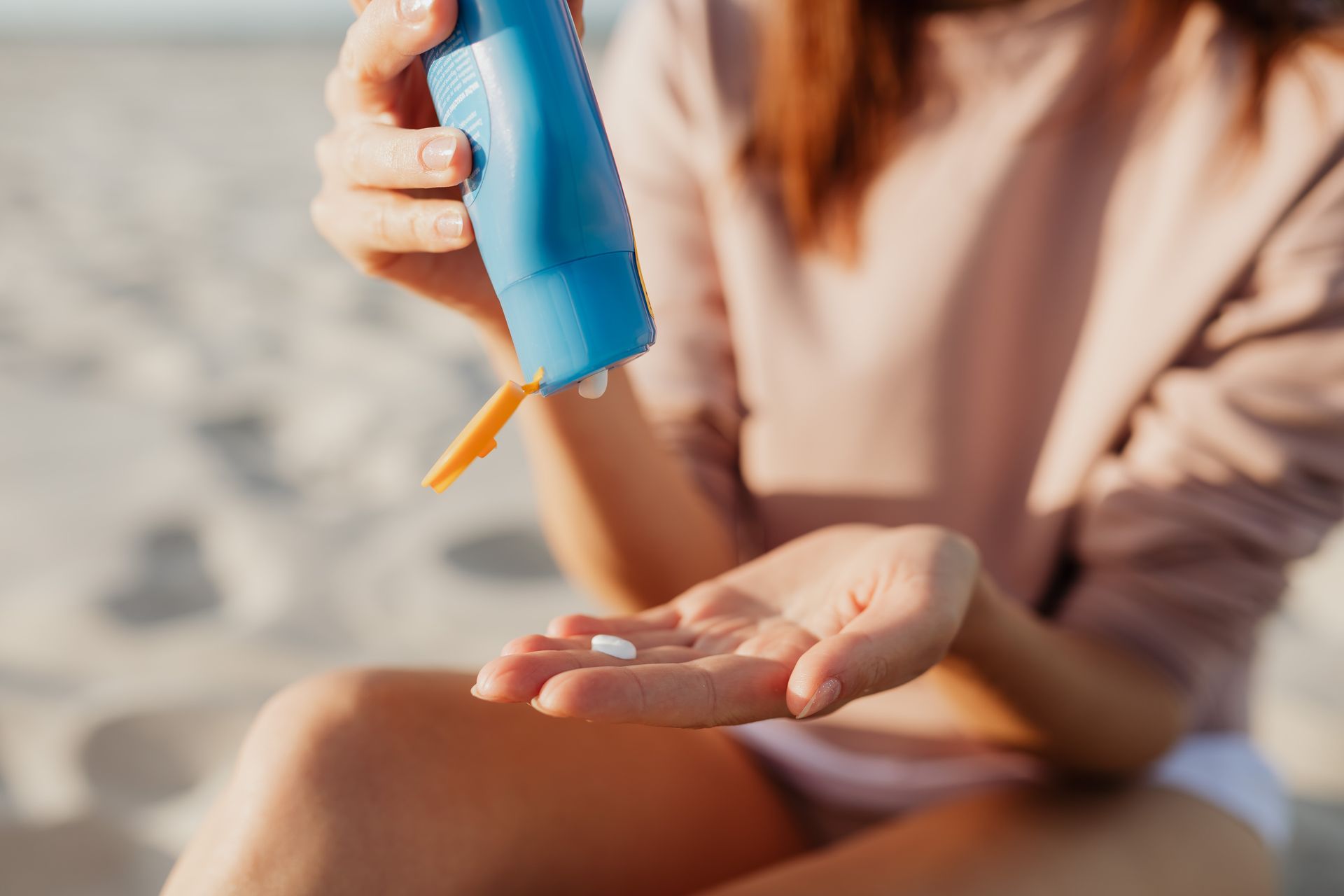
Mineral sunscreen without the chalky white cast: what UCLA's new formula changes
Mineral sunscreens are prized for being gentler on skin than chemical alternatives, but they have long left users with a visible white cast. Scientists at UCLA say they have redesigned the zinc oxide particles at the heart of the problem, aiming to make mineral sunscreen usable across all skin tones.

Menopause hormone therapy: what it actually treats, and what it doesn't
Menopause hormone therapy has swung from being widely feared to widely recommended, but doctors say expectations have overtaken the evidence. Here is what the treatment reliably helps with, what it doesn't, and how the science has shifted over two decades.

FDA still points to Taylor Farms lettuce in cyclospora outbreak despite a faulty test
US regulators say they remain focused on lettuce supplied by Taylor Farms as the likely source of a multistate cyclospora outbreak, even after one laboratory test used to support that theory turned out to be faulty. Restaurant visits tied to the outbreak have started to decline.