Ultra-processed foods and the heart: what the latest research really shows
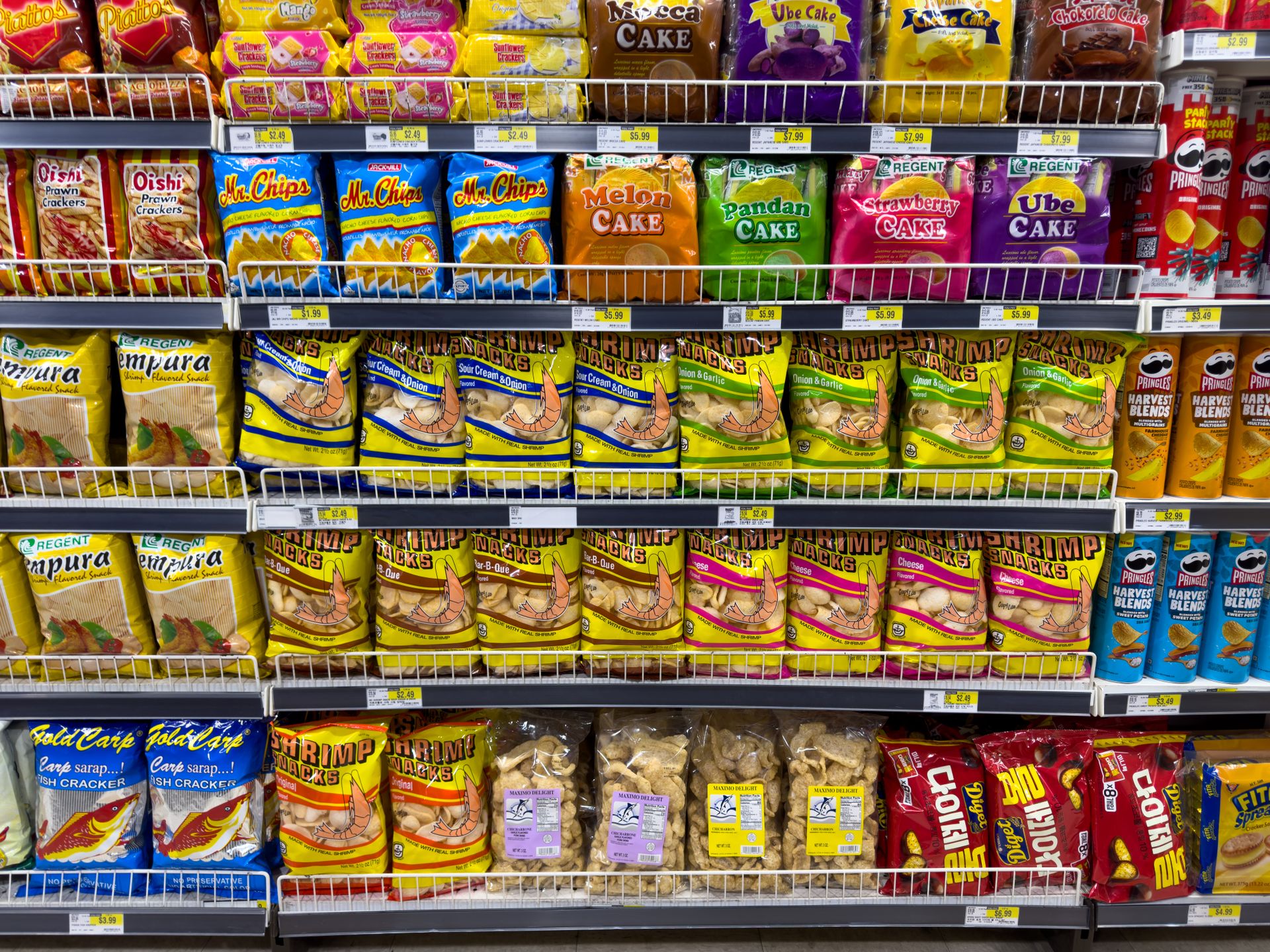
A new modelling study from researchers in Canada has put a number on something nutrition scientists have suspected for years: that the rise of ultra-processed food in modern diets carries a measurable cost in heart disease deaths. The study estimates that reducing consumption of these foods could prevent a substantial share of heart disease cases, a claim striking enough to warrant a closer look at what "ultra-processed" actually means and how solid the underlying evidence is.
The term itself comes from a classification system called NOVA, developed by Brazilian researchers more than a decade ago, which sorts food not by nutrient content but by the degree of industrial processing involved. Unprocessed or minimally processed foods sit at one end, think vegetables, plain meat, eggs. At the other end sit ultra-processed foods: products manufactured largely from substances extracted from foods, such as oils, starches and sugars, combined with additives like emulsifiers, colourings and flavour enhancers rarely found in a home kitchen. Ready meals, packaged breakfast cereals, protein bars, fizzy drinks and most fast food fall into this category.
What makes ultra-processed food a useful category for researchers isn't the industrial process itself but a consistent pattern in how these products are formulated. They tend to be energy-dense, high in added sugar, salt and unhealthy fats, low in fibre, and specifically engineered to be palatable in ways that encourage overconsumption. Several studies over the past decade, using large population cohorts followed over many years, have found associations between high ultra-processed food intake and increased risk of obesity, type 2 diabetes and cardiovascular disease.
The new Canadian modelling study builds on that evidence base rather than generating entirely new data from scratch. It takes existing associations between ultra-processed food consumption and heart disease risk, combines them with data on how much of the population's diet is made up of these foods, and calculates what might happen if consumption were reduced. The result: a substantial proportion of heart disease cases in the study's population could, in principle, be attributed to ultra-processed food intake, a figure researchers describe as both large and, they argue, largely preventable.
It's worth being precise about what this kind of study can and cannot show. Modelling studies translate observed associations into projected outcomes; they do not, on their own, prove that ultra-processed food directly causes heart disease independent of the nutrients it contains. Critics of the ultra-processed food framework have long argued that a diet high in these products is often simply a diet high in salt, sugar and saturated fat by another name, and that the processing itself may be a marker of an unhealthy diet rather than an independent cause of harm.
Researchers in the field have increasingly pushed back on that framing, pointing to a smaller number of randomized controlled trials, the gold standard for establishing cause and effect, that have found people eating ultra-processed diets consume more calories and gain more weight than those eating minimally processed diets matched for the same nutrient content. That suggests something about the texture, packaging and formulation of these products, beyond their nutrient profile alone, encourages overeating.
For consumers, the practical guidance that follows doesn't require memorising the NOVA classification system in detail. Foods that combine long ingredient lists of substances rarely used in home cooking, come in convenient ready-to-eat or ready-to-heat forms, and are engineered to be intensely palatable are the ones worth moderating, not eliminating outright. A ready meal eaten occasionally is a different proposition from a diet built primarily around packaged, ultra-processed staples.
The policy debate the new study feeds into is a familiar one in public health: whether food companies should face restrictions on how ultra-processed products are marketed and priced, particularly to children, or whether the emphasis should stay on individual dietary choice. Public health researchers who favour regulation argue that ultra-processed foods are deliberately formulated and marketed to be more appealing and more accessible than whole foods, making individual choice an incomplete solution on its own.
Whatever position one takes in that policy argument, the underlying science on ultra-processed food and heart health has moved from a fringe hypothesis to a well-populated and increasingly rigorous field of study over the past decade. The new modelling estimates add a concrete number to a body of evidence that, while not yet fully settled on mechanism, points consistently in the same direction: diets built heavily around ultra-processed products carry a measurable cardiovascular cost, and shifting away from them, even partially, appears to carry a measurable benefit.
Read next

Second death reported in New York City legionnaires' disease outbreak
A second person has died in a legionnaires' disease outbreak that has sickened dozens of people in New York City, health officials say, even as they report evidence the source of the bacteria has likely been eliminated.

A common antidepressant may ease long COVID's crushing fatigue, trial finds
A randomized clinical trial of nearly 400 adults found that fluvoxamine, a low-cost, decades-old antidepressant, significantly reduced fatigue and improved quality of life in people with long COVID, making it one of the first medications to show a meaningful benefit for the debilitating symptom.

Mineral sunscreen without the chalky white cast: what UCLA's new formula changes
Mineral sunscreens are prized for being gentler on skin than chemical alternatives, but they have long left users with a visible white cast. Scientists at UCLA say they have redesigned the zinc oxide particles at the heart of the problem, aiming to make mineral sunscreen usable across all skin tones.

Menopause hormone therapy: what it actually treats, and what it doesn't
Menopause hormone therapy has swung from being widely feared to widely recommended, but doctors say expectations have overtaken the evidence. Here is what the treatment reliably helps with, what it doesn't, and how the science has shifted over two decades.

FDA still points to Taylor Farms lettuce in cyclospora outbreak despite a faulty test
US regulators say they remain focused on lettuce supplied by Taylor Farms as the likely source of a multistate cyclospora outbreak, even after one laboratory test used to support that theory turned out to be faulty. Restaurant visits tied to the outbreak have started to decline.