The four types of procrastinator: which one are you, and how to fix it

Procrastination is often mistaken for laziness, but researchers who study the habit say it is usually an emotional-regulation problem: people aren't avoiding the task itself, they're avoiding the negative feeling the task stirs up. Years of work by Tim Pychyl, a procrastination researcher at Carleton University in Canada, has shown that this avoidance doesn't look the same in everyone. Psychologists now sort procrastinators into a handful of broad types, based on what's actually triggering the delay.
The first type is the perfectionist procrastinator. This person puts off starting because they're afraid the work won't be flawless — not starting feels safer than doing it badly. The result is often a stressed, sloppy, last-minute scramble, the very outcome they were trying to avoid. The recommended fix, researchers say, is reframing the goal from "perfect" to "an 80-percent draft" — lowering the bar to start makes starting itself less threatening.
The second type is the dreamer. This person is full of big ideas but struggles to break a goal down into small, concrete steps. They enjoy planning far more than doing. Psychologists say the most effective intervention here is writing down not an abstract ambition but a single, specific action to take in the next twenty minutes.
The third type is the crisis-maker, sometimes called the thrill-seeker. This person genuinely believes last-minute pressure makes them more productive, and deliberately leaves tasks until the deadline looms. Studies suggest that belief is usually an illusion — performance under pressure tends to feel good in hindsight because a few memorable successes stick in the mind, not because the work was actually better.
The fourth type is the avoider. This person isn't afraid of the task itself but of the judgment it might invite — failing would mean looking incompetent. For this type, procrastination becomes a way of protecting self-esteem: if you never really try, you can't really fail. Therapists say the way to break this cycle is separating the task from personal worth — reminding yourself that doing a job badly doesn't make you a bad person.
The four types aren't mutually exclusive, and most people shift between them depending on the situation — the same person might be a perfectionist at work and an avoider at home. Experts say recognising your own pattern is far more useful than generic advice to "just be more disciplined," because each type is really answering a different emotional problem.
The cost of chronic procrastination goes beyond missed deadlines. Longitudinal research links the habit to higher stress, worse sleep, and even measurable effects on immune function — because the avoided task doesn't disappear, it just sits there accumulating anxiety.
The practical advice that actually works tends to change the environment rather than rely on willpower: putting the phone in another room, shrinking a task down to a five-minute first step, or telling a friend you're about to start. Pychyl's often-repeated rule of thumb is to "start before you feel ready," because motivation, he argues, usually follows action rather than preceding it.
Ultimately, procrastination looks less like a character flaw and more like a skill in managing difficult emotions. Knowing your type points to which small change is actually likely to help — a far more durable approach than telling everyone to simply try harder.
Read next

Second death reported in New York City legionnaires' disease outbreak
A second person has died in a legionnaires' disease outbreak that has sickened dozens of people in New York City, health officials say, even as they report evidence the source of the bacteria has likely been eliminated.
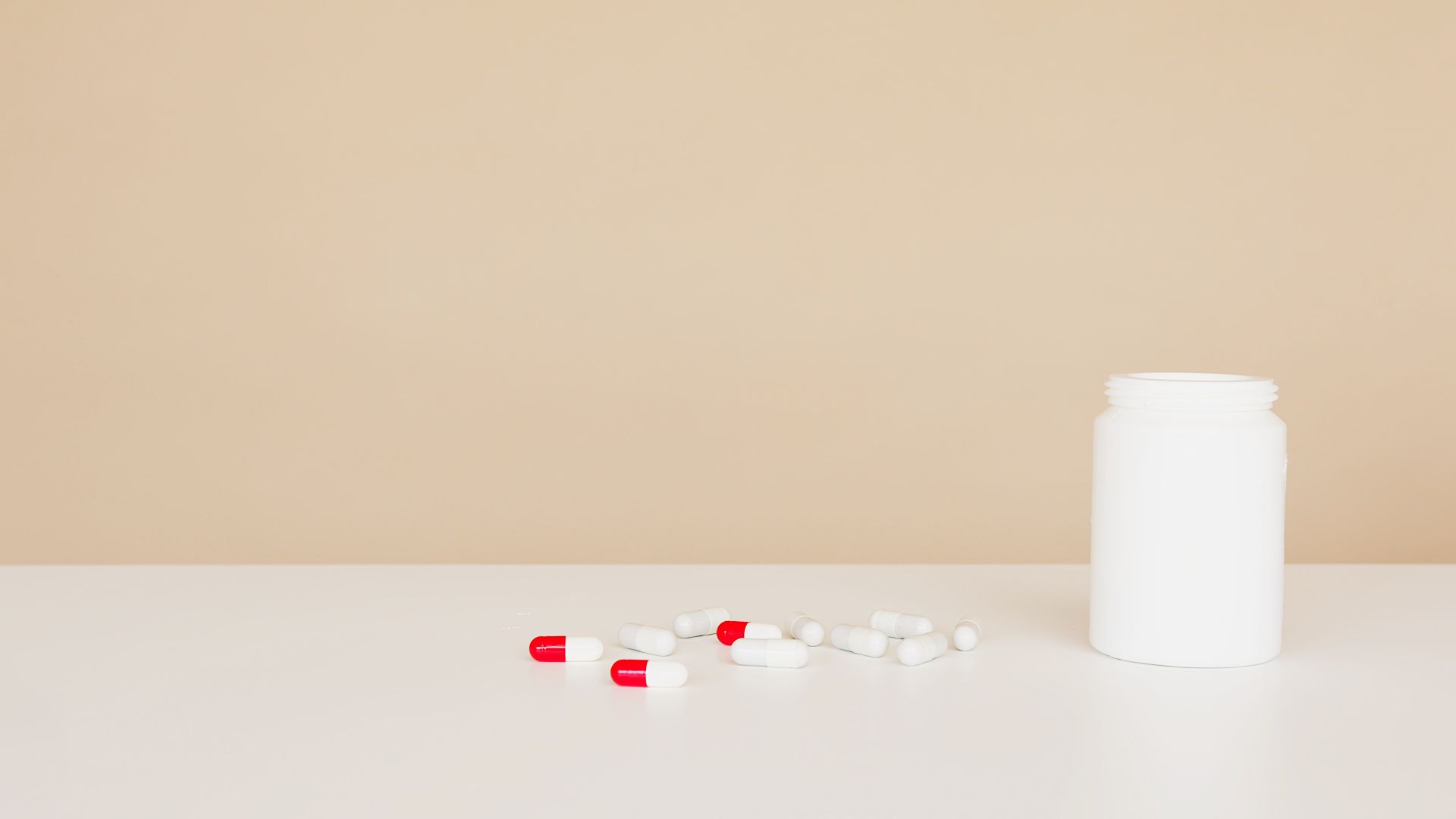
A common antidepressant may ease long COVID's crushing fatigue, trial finds
A randomized clinical trial of nearly 400 adults found that fluvoxamine, a low-cost, decades-old antidepressant, significantly reduced fatigue and improved quality of life in people with long COVID, making it one of the first medications to show a meaningful benefit for the debilitating symptom.
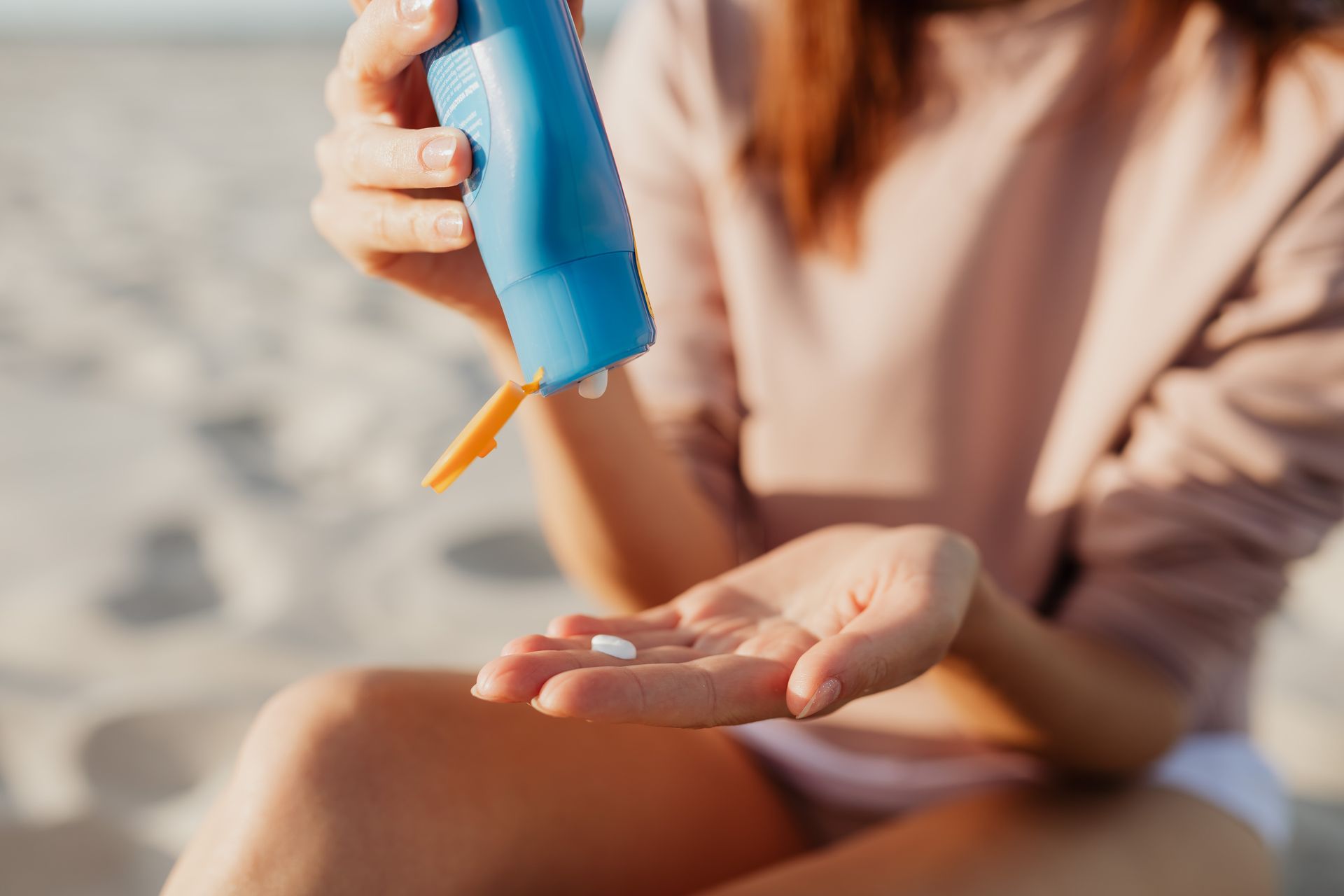
Mineral sunscreen without the chalky white cast: what UCLA's new formula changes
Mineral sunscreens are prized for being gentler on skin than chemical alternatives, but they have long left users with a visible white cast. Scientists at UCLA say they have redesigned the zinc oxide particles at the heart of the problem, aiming to make mineral sunscreen usable across all skin tones.

Menopause hormone therapy: what it actually treats, and what it doesn't
Menopause hormone therapy has swung from being widely feared to widely recommended, but doctors say expectations have overtaken the evidence. Here is what the treatment reliably helps with, what it doesn't, and how the science has shifted over two decades.

FDA still points to Taylor Farms lettuce in cyclospora outbreak despite a faulty test
US regulators say they remain focused on lettuce supplied by Taylor Farms as the likely source of a multistate cyclospora outbreak, even after one laboratory test used to support that theory turned out to be faulty. Restaurant visits tied to the outbreak have started to decline.