Energy drinks and under-16s: what England's new sales ban means

England will make it illegal to sell high-caffeine energy drinks to anyone under 16 from next April, the government has confirmed, closing a long-standing gap in UK retail rules that has left energy drinks as one of the few caffeinated products with no legal age restriction on sale.
The ban applies to drinks containing more than 150mg of caffeine per litre — roughly the threshold used to define energy drinks in existing food labelling rules — meaning most familiar energy drink brands will fall within scope, while standard cola, tea and coffee sold in shops are not affected as long as they stay under the same caffeine concentration.
A single 250ml can of a typical energy drink can contain around 80mg of caffeine, comparable to a cup of coffee, but many larger cans sold in supermarkets carry two to three times that amount in a single serving. For a child, whose body weight and caffeine tolerance are both lower than an adult's, that concentration can produce effects — a racing heart, anxiety, disrupted sleep — at doses adults might barely notice.
Retailers who currently sell energy drinks to under-16s do so legally in England, since no statutory age limit has existed until now, although many supermarket chains have voluntarily restricted sales to over-16s for more than a decade. The new law will convert that patchwork of voluntary policy into a single legal minimum age enforced across all retailers, including corner shops and vending machines.
Public health officials point to a body of research linking regular high-caffeine consumption in children and teenagers to poorer sleep, difficulty concentrating in school, headaches and, in survey data, higher rates of anxiety symptoms among frequent energy drink users. Some studies have also raised concerns about cardiac effects in adolescents with undiagnosed heart conditions, a small but serious risk cited repeatedly by paediatric cardiologists.
Energy drinks are also frequently high in added sugar, compounding concerns that have driven earlier UK public health interventions such as the sugar tax on soft drinks. Officials say the caffeine-focused ban is intended to address a distinct risk profile — the drinks' stimulant effect — rather than duplicate sugar-reduction policy, though many of the products targeted contain both.
England's move brings it into line with several other jurisdictions that already restrict energy drink sales to minors, including Latvia, Lithuania and a number of European countries that impose either age limits or caffeine-content caps on beverages sold to under-16s or under-18s. Wales and Scotland have both signalled they are considering similar legislation, though neither has yet set a firm date.
The soft drinks industry has previously argued that voluntary retailer restrictions were achieving similar outcomes without the need for statutory regulation, and some manufacturers have pointed to reformulated lower-caffeine products aimed at younger consumers as evidence the market was already adapting. The government's decision to proceed with a legal ban regardless signals it judged voluntary measures insufficiently consistent across the retail sector.
Enforcement will fall to local trading standards teams, the same bodies that police existing age-restricted sales such as alcohol and tobacco, and retailers who breach the new rule will face similar penalties to those for other underage sales offences. The government has said the months before the April start date will be used for guidance and compliance support aimed at smaller independent retailers, who often have the least capacity to adapt quickly to new rules.
For parents, paediatricians say the change is unlikely to eliminate teenage caffeine consumption entirely, since energy drinks purchased by an accompanying adult or consumed at home will remain unaffected by a point-of-sale restriction. But they argue that removing easy, casual purchase by under-16s themselves — often the pattern cited in survey data on frequent youth consumption — is still likely to meaningfully reduce how often the highest-caffeine products reach children's hands.
Read next

Second death reported in New York City legionnaires' disease outbreak
A second person has died in a legionnaires' disease outbreak that has sickened dozens of people in New York City, health officials say, even as they report evidence the source of the bacteria has likely been eliminated.
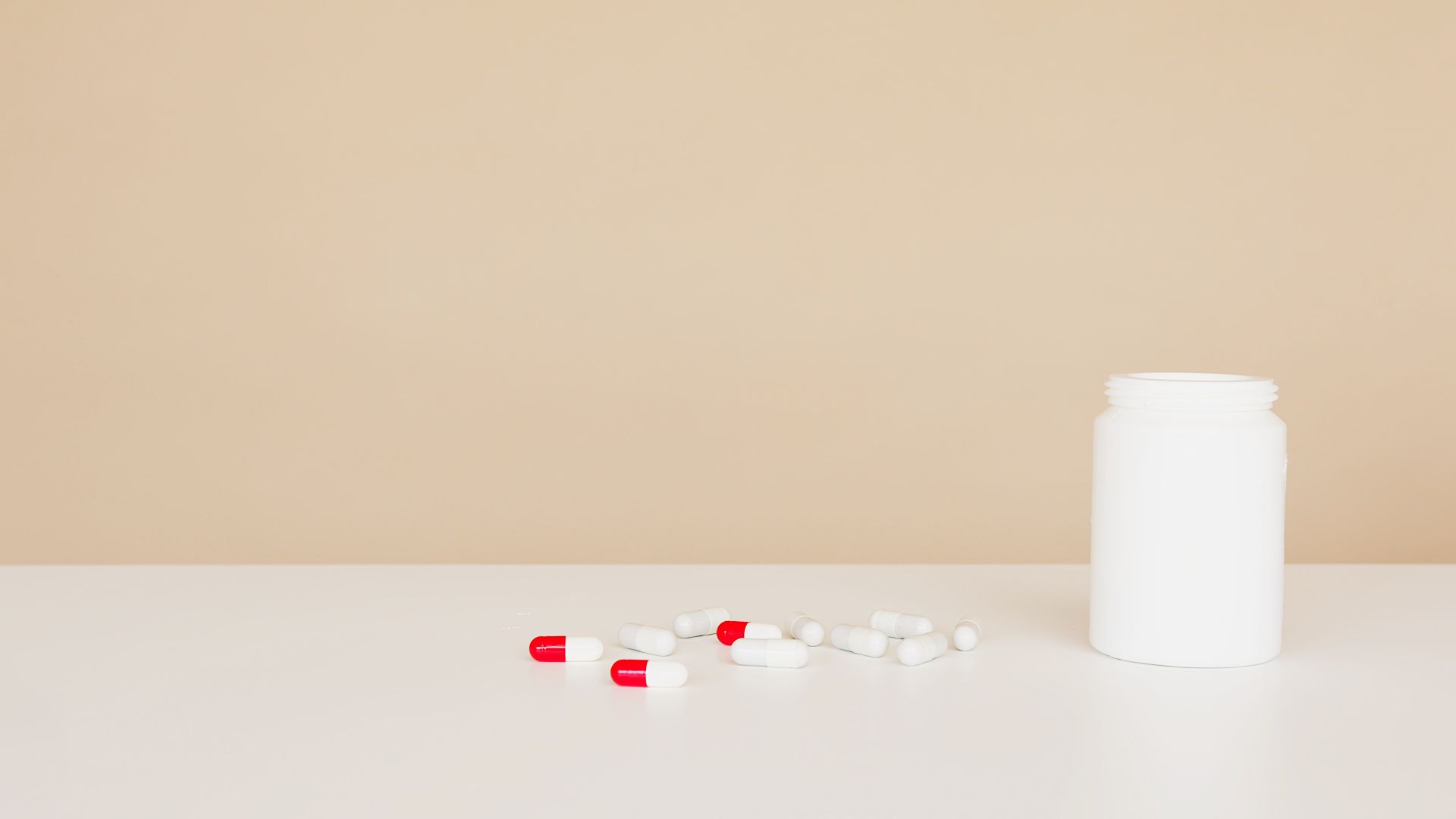
A common antidepressant may ease long COVID's crushing fatigue, trial finds
A randomized clinical trial of nearly 400 adults found that fluvoxamine, a low-cost, decades-old antidepressant, significantly reduced fatigue and improved quality of life in people with long COVID, making it one of the first medications to show a meaningful benefit for the debilitating symptom.
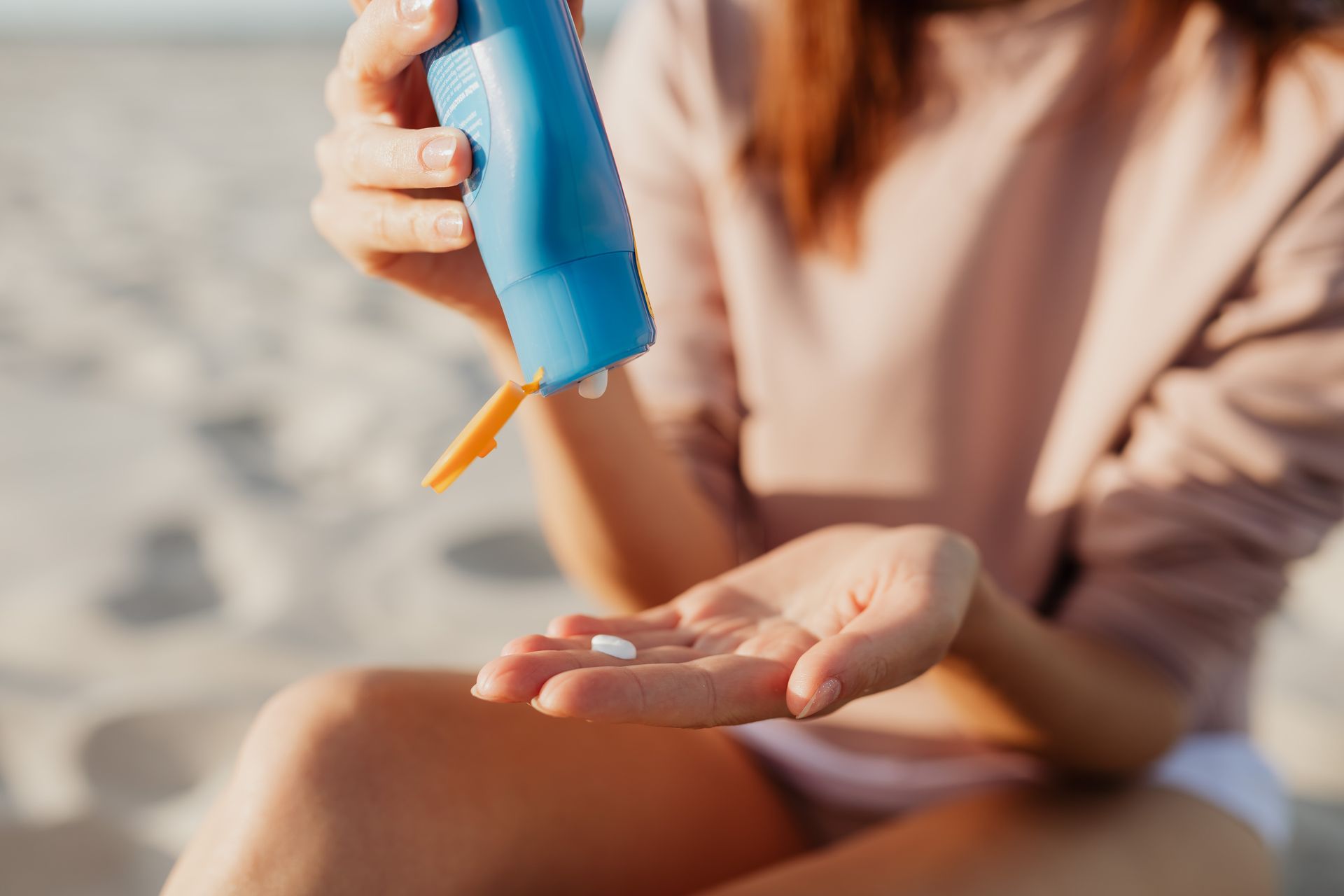
Mineral sunscreen without the chalky white cast: what UCLA's new formula changes
Mineral sunscreens are prized for being gentler on skin than chemical alternatives, but they have long left users with a visible white cast. Scientists at UCLA say they have redesigned the zinc oxide particles at the heart of the problem, aiming to make mineral sunscreen usable across all skin tones.

Menopause hormone therapy: what it actually treats, and what it doesn't
Menopause hormone therapy has swung from being widely feared to widely recommended, but doctors say expectations have overtaken the evidence. Here is what the treatment reliably helps with, what it doesn't, and how the science has shifted over two decades.

FDA still points to Taylor Farms lettuce in cyclospora outbreak despite a faulty test
US regulators say they remain focused on lettuce supplied by Taylor Farms as the likely source of a multistate cyclospora outbreak, even after one laboratory test used to support that theory turned out to be faulty. Restaurant visits tied to the outbreak have started to decline.