What is cyclosporiasis, the parasite behind the US's 'explosive' diarrhea outbreak?
Cyclosporiasis, an intestinal infection caused by the single-celled parasite Cyclospora cayetanensis, has been surging across several US states in recent days. Health officials describe the illness by its hallmark symptom: watery, prolonged bouts of diarrhoea that can be, in their words, "explosive."
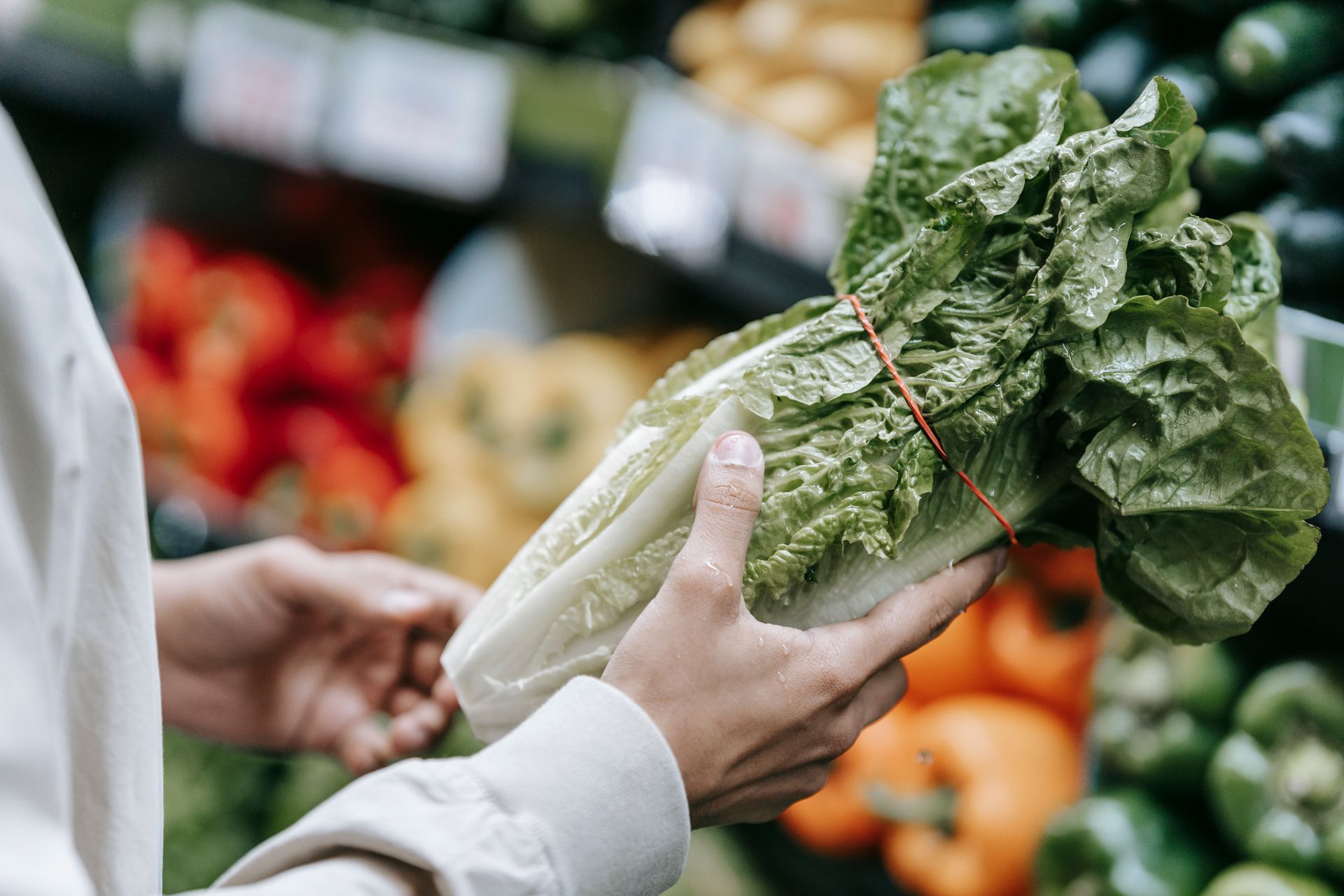
The parasite does not spread directly from person to person. Instead, it is transmitted through fresh fruit and vegetables that have come into contact with water or soil contaminated by faeces. Past US outbreaks have been linked to produce such as lettuce, cilantro, basil, and raspberries, items that often pass through long or imported supply chains before reaching store shelves.
This year's surge is particularly notable in Michigan, where the state typically reports around 50 cases annually, but the current outbreak has recorded close to a thousand, making it the largest cyclosporiasis outbreak in the state's history. Ohio has also seen a marked rise in cases, with 177 reported as of early July.
Health officials are still tracing the outbreak's exact source, and investigations have focused on lettuce supplied to some fast-food chains. Tracing the source of an outbreak like this typically takes weeks, since it requires comparing genetic samples from sick patients and working backward through the supply chain step by step.
Symptoms typically begin about a week after exposure and include watery diarrhoea, abdominal cramping, loss of appetite, weight loss, bloating, nausea, and fatigue. If left untreated, symptoms can persist for weeks or even months and may relapse, a feature that makes the illness particularly exhausting for those affected.
According to the CDC, cyclosporiasis is rarely life-threatening, but it can be more severe in higher-risk groups such as older adults, people with weakened immune systems, and young children. Even in otherwise healthy adults, prolonged diarrhoea can lead to significant fluid loss and fatigue.
The good news is that the illness is treatable with antibiotics, specifically a combination of trimethoprim and sulfamethoxazole, which serves as the standard treatment. However, diagnosing the parasite accurately requires specific stool tests, since routine gastrointestinal panels do not always detect cyclospora.
The most practical prevention step recommended to consumers is thoroughly washing fresh greens and produce, though experts note this doesn't guarantee the parasite is fully removed, since its cyst form isn't always eliminated by standard washing. That's why identifying the source and removing it from the supply chain remains the most effective way to bring an outbreak under control.
Produce-linked cyclosporiasis outbreaks are not new in the US; similar outbreaks of comparable size have occurred in past years and were often traced back to a specific supplier or region. Incidents like these have pushed food safety regulators to increase scrutiny of imported fresh produce.
Public health officials advise anyone experiencing prolonged or recurring diarrhoea to see a doctor and try to recall what fresh vegetables and fruit they've eaten recently, information that can help both with an accurate diagnosis and with identifying the source of a potential outbreak more quickly.
Read next

Second death reported in New York City legionnaires' disease outbreak
A second person has died in a legionnaires' disease outbreak that has sickened dozens of people in New York City, health officials say, even as they report evidence the source of the bacteria has likely been eliminated.

A common antidepressant may ease long COVID's crushing fatigue, trial finds
A randomized clinical trial of nearly 400 adults found that fluvoxamine, a low-cost, decades-old antidepressant, significantly reduced fatigue and improved quality of life in people with long COVID, making it one of the first medications to show a meaningful benefit for the debilitating symptom.
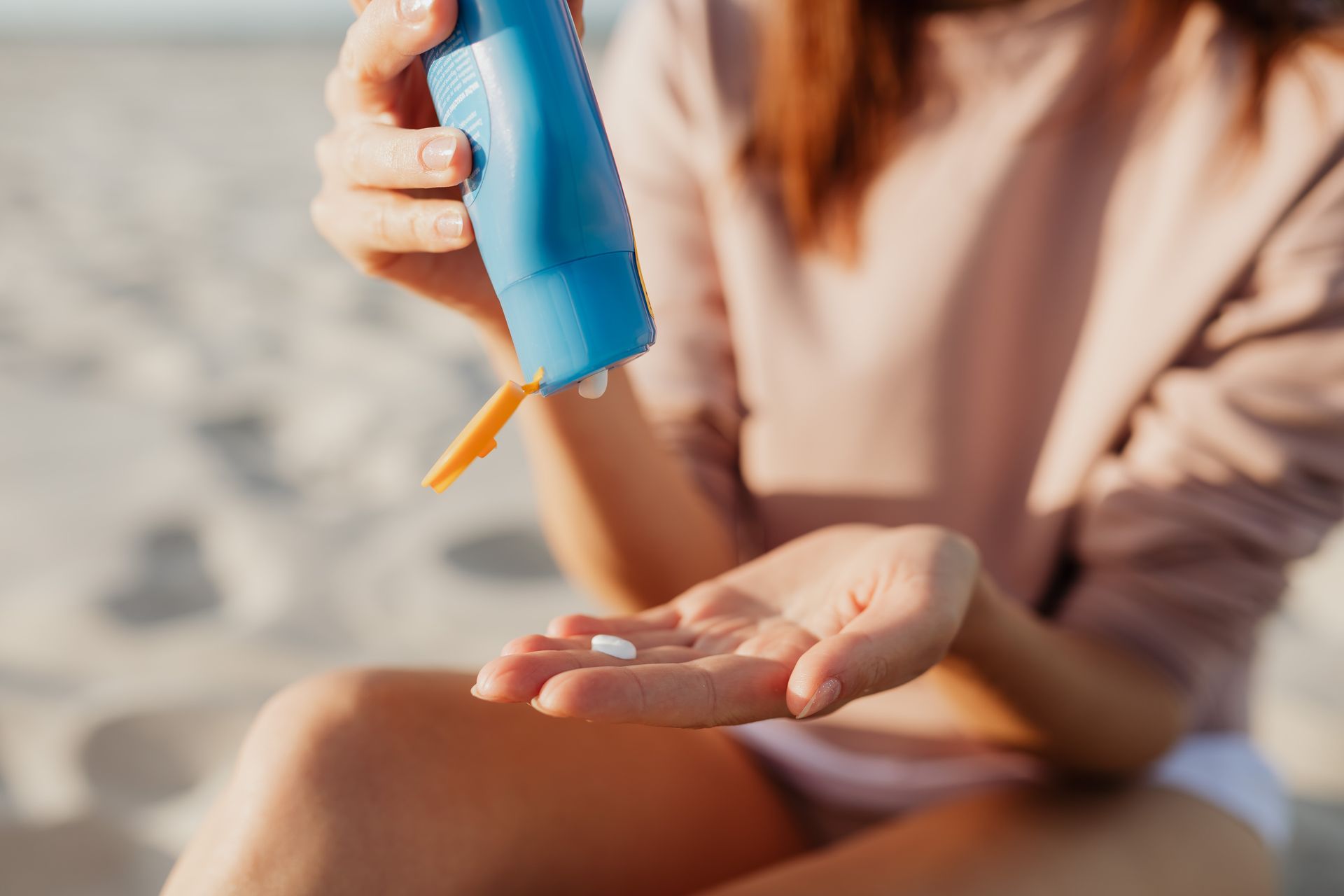
Mineral sunscreen without the chalky white cast: what UCLA's new formula changes
Mineral sunscreens are prized for being gentler on skin than chemical alternatives, but they have long left users with a visible white cast. Scientists at UCLA say they have redesigned the zinc oxide particles at the heart of the problem, aiming to make mineral sunscreen usable across all skin tones.

Menopause hormone therapy: what it actually treats, and what it doesn't
Menopause hormone therapy has swung from being widely feared to widely recommended, but doctors say expectations have overtaken the evidence. Here is what the treatment reliably helps with, what it doesn't, and how the science has shifted over two decades.

FDA still points to Taylor Farms lettuce in cyclospora outbreak despite a faulty test
US regulators say they remain focused on lettuce supplied by Taylor Farms as the likely source of a multistate cyclospora outbreak, even after one laboratory test used to support that theory turned out to be faulty. Restaurant visits tied to the outbreak have started to decline.