Brain implant restores both movement and touch in a man with quadriplegia
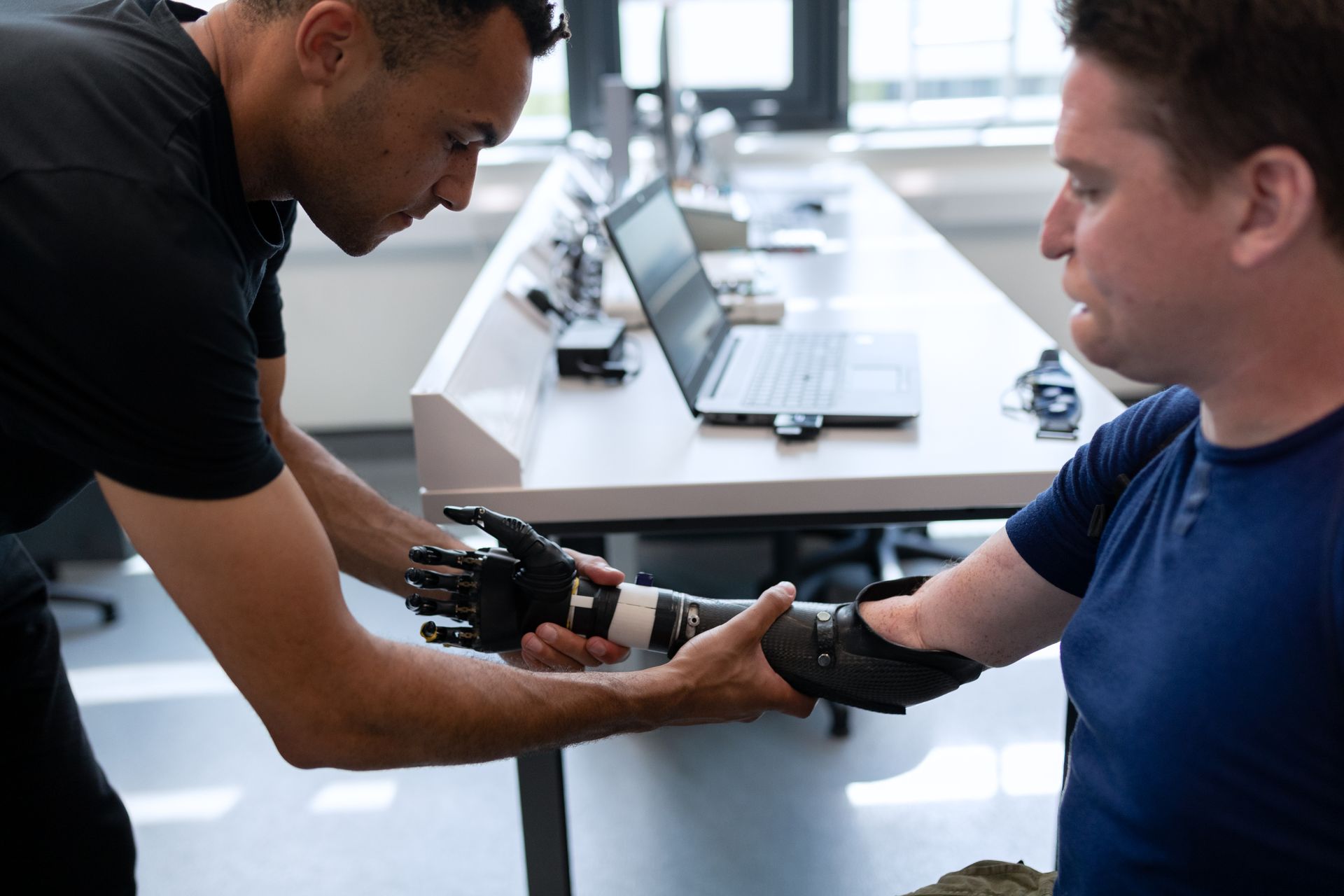
A brain-computer interface has restored both movement and the sensation of touch in a 48-year-old man with quadriplegia, researchers reported, describing the system as a 'double neural bypass' that works in two directions at once rather than the single direction used by most prior devices.
Earlier brain-computer interfaces have allowed paralyzed patients to control robotic arms or computer cursors by decoding movement intentions from neural activity, a real and significant achievement in itself. But those systems have almost universally lacked a return channel: the user could move an object without feeling it, forcing them to rely on vision alone to judge grip strength or contact, a slow and imprecise substitute for touch.
The new approach addresses that gap by implanting electrode arrays in both the motor cortex, which generates the intention to move, and the sensory cortex, which normally receives touch information from the body. Signals from the motor cortex are decoded in real time to drive a robotic limb, while sensors on that limb feed information back through the sensory cortex implant, delivering a sensation the researchers say patients describe as recognizably touch-like rather than an abstract buzz or tingle.
In the case reported by the research team, the patient — who lost the use of his arms and legs following a spinal cord injury — was able to use the closed-loop system to grasp objects of varying shapes and softness with substantially finer control than movement-only implants typically allow, adjusting grip pressure based on the restored sensory feedback rather than visual estimation alone.
The researchers describe the improvement in dexterity as the most immediately practical benefit: tasks that require modulating force, such as picking up a fragile object or a full cup without spilling it, are notoriously difficult with vision-only feedback but become markedly easier once a user can, in effect, feel what a robotic hand is touching.
The system remains firmly experimental. It requires surgically implanted electrode arrays connected to external processing hardware, a setup involving real surgical risk and ongoing technical maintenance that is a long way from a device a patient could use unassisted at home. Wireless, fully implantable versions of similar bidirectional systems are in earlier stages of development at several research centers.
This case adds to a small but growing number of published trials of bidirectional, or sensory-restoring, brain-computer interfaces, following related work from other academic groups over the past several years. Researchers in the field describe restoring sensory feedback as one of the more difficult open problems in the area, since it requires stimulating the brain in patterns specific and consistent enough to be interpreted as coherent touch rather than noise.
Funding for this category of research has come primarily from government science agencies and academic medical centers rather than commercial device makers, reflecting both the early stage of the technology and the highly specialized surgical and engineering expertise required to implant and calibrate the systems for each individual patient.
Researchers caution that findings from a single patient, however striking, do not establish how consistently the approach will work across the broader population of people with spinal cord injuries, whose neurological damage varies significantly in location and severity. Larger trials enrolling more participants are needed before conclusions can be drawn about how widely applicable the technique is.
Even with those caveats, specialists in neural engineering describe restoring a working sense of touch — not just motor control — as a meaningful marker of progress toward brain-computer interfaces that could eventually let people with severe paralysis interact with the physical world in a way that feels less like operating a machine and more like using their own body.
Read next

Second death reported in New York City legionnaires' disease outbreak
A second person has died in a legionnaires' disease outbreak that has sickened dozens of people in New York City, health officials say, even as they report evidence the source of the bacteria has likely been eliminated.

A common antidepressant may ease long COVID's crushing fatigue, trial finds
A randomized clinical trial of nearly 400 adults found that fluvoxamine, a low-cost, decades-old antidepressant, significantly reduced fatigue and improved quality of life in people with long COVID, making it one of the first medications to show a meaningful benefit for the debilitating symptom.
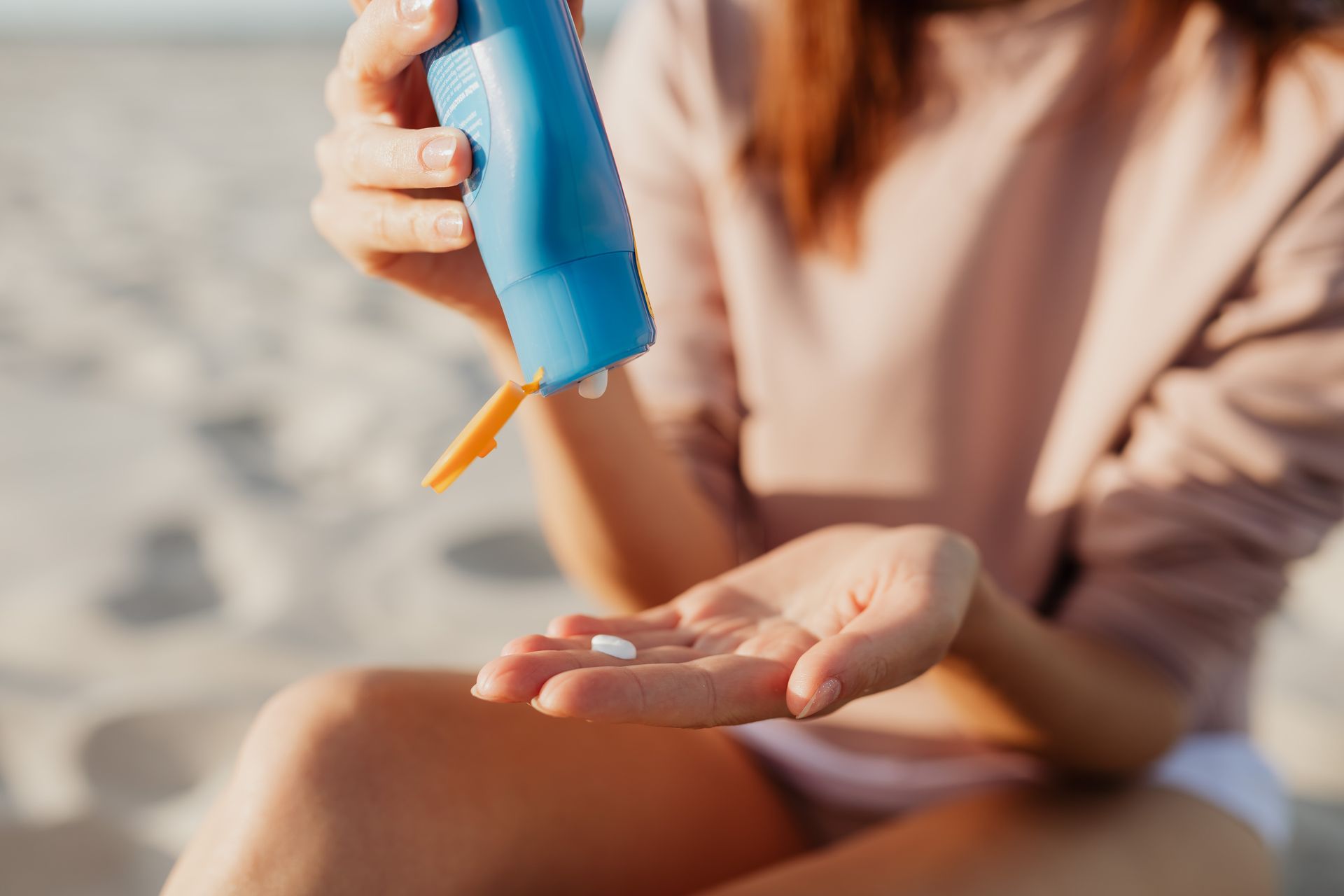
Mineral sunscreen without the chalky white cast: what UCLA's new formula changes
Mineral sunscreens are prized for being gentler on skin than chemical alternatives, but they have long left users with a visible white cast. Scientists at UCLA say they have redesigned the zinc oxide particles at the heart of the problem, aiming to make mineral sunscreen usable across all skin tones.

Menopause hormone therapy: what it actually treats, and what it doesn't
Menopause hormone therapy has swung from being widely feared to widely recommended, but doctors say expectations have overtaken the evidence. Here is what the treatment reliably helps with, what it doesn't, and how the science has shifted over two decades.

FDA still points to Taylor Farms lettuce in cyclospora outbreak despite a faulty test
US regulators say they remain focused on lettuce supplied by Taylor Farms as the likely source of a multistate cyclospora outbreak, even after one laboratory test used to support that theory turned out to be faulty. Restaurant visits tied to the outbreak have started to decline.