A team beats brilliant individuals: how Spain flattened France
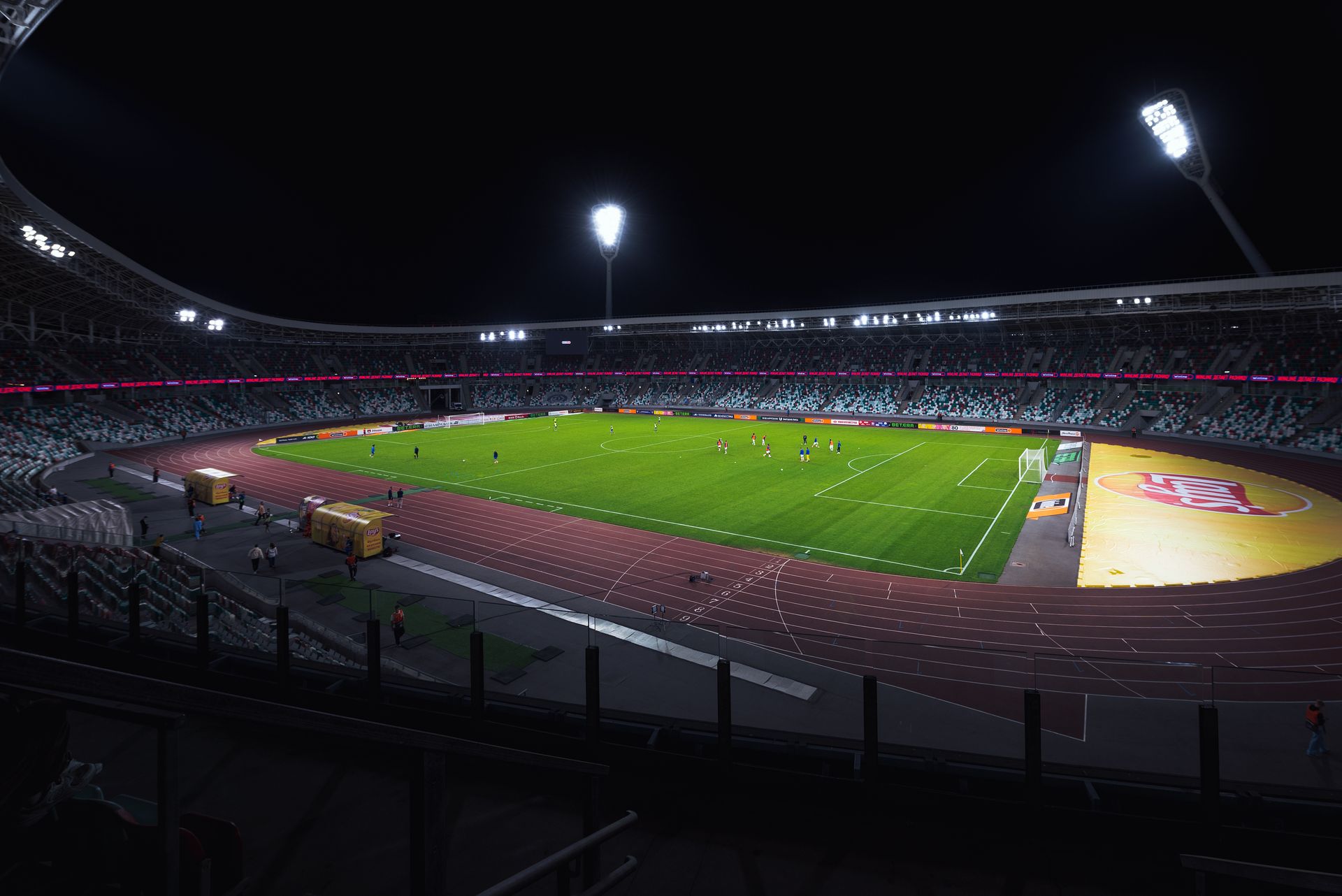
While other teams grabbed most of the headlines through the tournament, Spain quietly made their way to the semi-final. Their performance against France showed that this quiet was less modesty than strategy: a team leaning on collective cohesion rather than individual brilliance.
Spain's control was evident from the opening minutes. Dominating possession through midfield, the Spanish players patiently wore down the French defense, probing for spaces to exploit. France's star players tried to respond with individual bursts, but Spain's disciplined defensive block largely neutralized those attempts.
The match statistics made Spain's dominance of possession clear. But the real difference lay in how that possession was used: rather than circulating the ball aimlessly, Spain continuously shifted France's defensive shape, methodically working to create positional advantages.
France's headline names had carried the team through individual brilliance repeatedly across the tournament. Against Spain, though, those same players found their access to the ball significantly curtailed, as Spain's collective pressing isolated the stars from the rest of the team.
Key moments in the match also revealed the depth of Spain's preparation on set pieces. Combinations that looked drilled extensively on the training ground converted France's momentary lapses in concentration into clear-cut scoring chances.
Post-match comments from the French camp carried a tone acknowledging an unexpectedly difficult challenge. Players' remarks hinted that the team had been caught underprepared for Spain's tactical discipline.
Analysts say the win could mark a turning point for Spain's tournament. Never quite labelled as the "surprise favorite" through the competition, Spain is now being talked about as one of the genuine contenders for the trophy.
Spain's playing philosophy draws on a long tradition built around short passing and positional play. That approach doesn't rely on individual stars, instead asking every player on the pitch to contribute as part of the system.
After the match, the coach's praise for his players reinforced the emphasis placed on the team's collective identity. Rather than dwelling on individual performances, the coaching staff underscored the discipline running through the team's overall shape.
Heading into the final, Spain is no longer viewed merely as a "quiet contender" but as one of the tournament's most balanced and organized sides. Just how effective that collective approach proves against another team's individual brilliance will be tested once more in the final.
Read next

Cameron Menzies stuns world number two Humphries in World Matchplay first round
Cameron Menzies produced one of the biggest upsets of the darts season, beating 2024 champion Luke Humphries 10-7 in the first round of the World Matchplay at Blackpool's Winter Gardens, ending the world number two's title defence before it truly began.
Guardiola in reported talks with Italy: would England come calling next?
Pep Guardiola, a fluent Italian speaker and former Manchester City manager, is reportedly a contender for Italy's vacant head coach position. The move would mark his first national-team job after more than two decades exclusively in club football.

Vingegaard withdraws from the Tour de France after a Stage 15 crash
Two-time Tour de France champion Jonas Vingegaard was forced to withdraw from the race after crashing near the end of Stage 15. His exit removes a major rival for overall leader Tadej Pogačar and reshapes the balance of the race's remaining stages.

Spain beat Argentina in extra time to win a second World Cup
A single goal from Ferran Torres was enough to give Spain a 1-0 extra-time win over Argentina, securing a second World Cup title following their 2010 triumph. The final marked the emergence of 19-year-old Lamine Yamal as a defining star, while Lionel Messi likely played his final match for Argentina.

From shock loss to Wimbledon champion: Sinner's resilient rise back to the top
Jannik Sinner beat Alexander Zverev to claim his second Wimbledon title. Behind the trophy lies a bigger story about how the Italian rebuilt himself after a genuinely difficult recent stretch — one that makes this title feel less inevitable than his ranking might suggest.