Spain beat Argentina in extra time to win a second World Cup

Spain beat Argentina 1-0 in extra time to win the 2026 World Cup, securing the country's second world title following its 2010 triumph. The final's only goal came from Ferran Torres, who found the net during extra time, capping off the dominant football Spain had displayed throughout the tournament.
The match was widely read as a clash between two distinct footballing philosophies: Spain's patient, possession-based, collective approach against Argentina's reliance on individual talent and quick transitions. The balance held for ninety minutes before tipping in Spain's favour during extra time.
The standout name of the final was 19-year-old Lamine Yamal. The young winger's performances throughout the tournament established him as one of world football's brightest emerging stars, and he was central to Spain's build-up play in the final itself.
On the Argentine side, the night carried an emotional weight as a likely closing chapter for Lionel Messi. The 39-year-old star played what is probably his final World Cup match; in post-match comments he acknowledged Spain had been 'the better team' and signalled that his international career could be coming to an end following the tournament.
Argentina manager Lionello Scaloni did not hide his own uncertainty about the future in his press conference, offering no firm commitment on whether he would continue in the role, and appeared emotional at points during his remarks. The squad under Scaloni's leadership had now reached a second consecutive final following the 2022 title.
The tournament's individual awards were also announced following the final. French star Kylian Mbappé won the tournament's Golden Boot for a second time in his career, becoming one of the few players to achieve that feat, while Spanish midfielder Rodri was named the tournament's best player, taking home the Golden Ball.
The pre-match and halftime shows drew significant attention as part of final day itself; the event featured a halftime performance with Shakira, Madonna, Justin Bieber and BTS taking the stage, with numerous well-known figures also present in the stands.
Spain's victory is being viewed as a reflection of the country's football infrastructure and youth academy system in recent years. The squad displayed a consistent performance throughout the tournament built on a balanced mix of experienced players and emerging young talent.
For Argentina, the final defeat was painful, but the team's performance across the tournament — particularly in terms of individual talent and character — reaffirmed the strength of the country's footballing culture once again. The squad's future structure is likely to be reshaped following Messi's probable departure.
For Spain, this victory is seen as the culmination of a sustained period of success: the country has strung together consecutive achievements at both national team and club level in recent years, making it one of the rare countries showing continuity across European and world football.
Read next
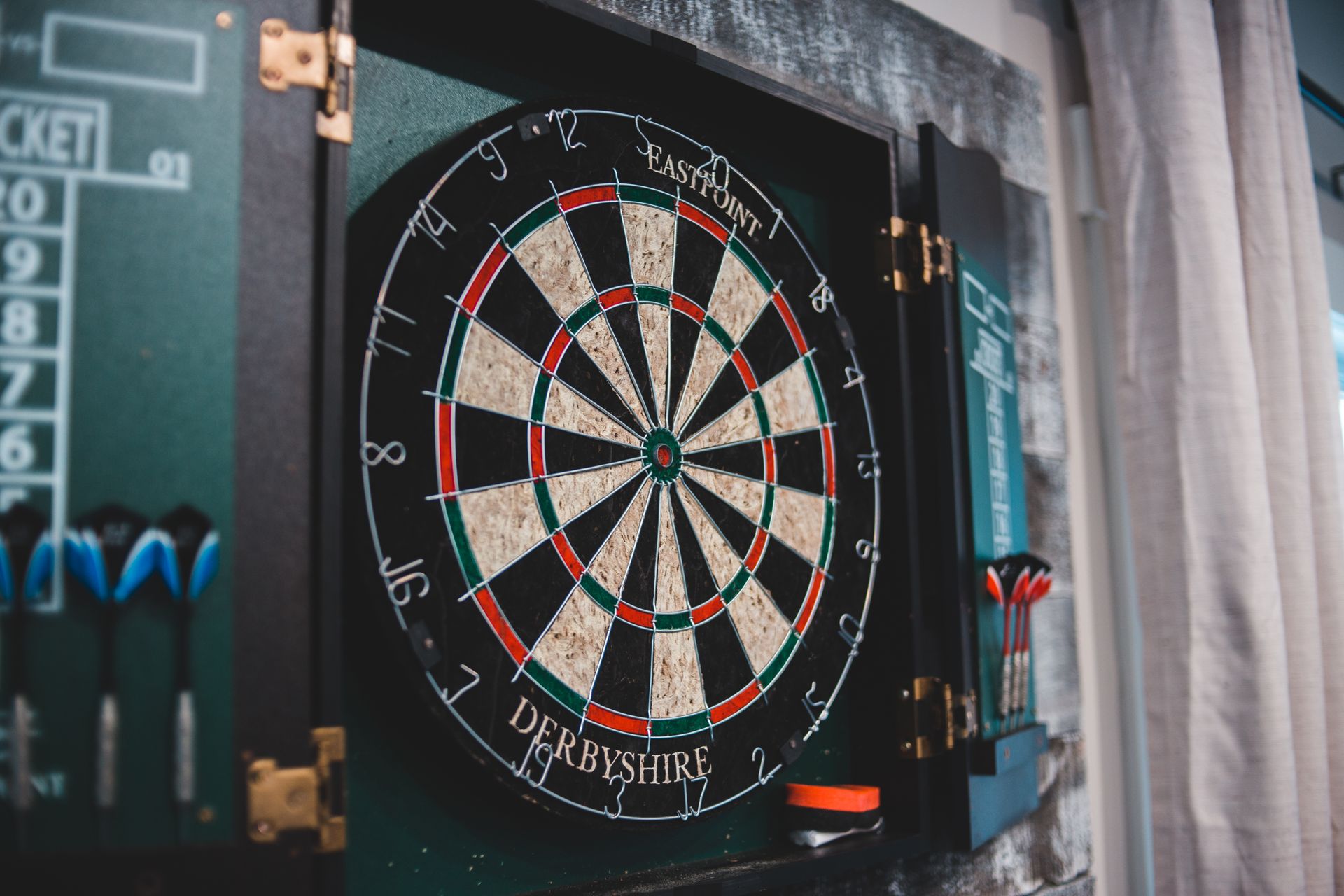
Cameron Menzies stuns world number two Humphries in World Matchplay first round
Cameron Menzies produced one of the biggest upsets of the darts season, beating 2024 champion Luke Humphries 10-7 in the first round of the World Matchplay at Blackpool's Winter Gardens, ending the world number two's title defence before it truly began.
Guardiola in reported talks with Italy: would England come calling next?
Pep Guardiola, a fluent Italian speaker and former Manchester City manager, is reportedly a contender for Italy's vacant head coach position. The move would mark his first national-team job after more than two decades exclusively in club football.
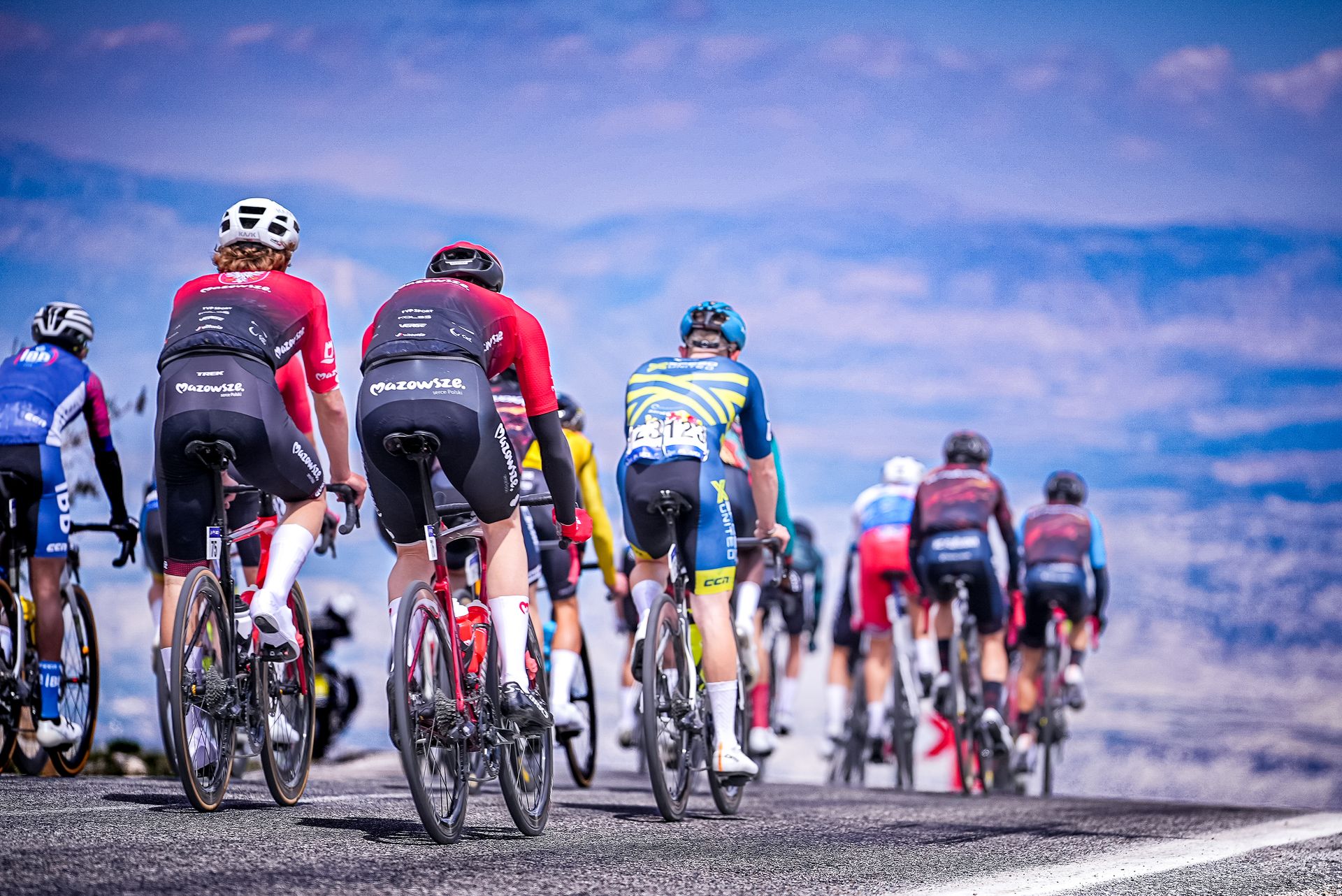
Vingegaard withdraws from the Tour de France after a Stage 15 crash
Two-time Tour de France champion Jonas Vingegaard was forced to withdraw from the race after crashing near the end of Stage 15. His exit removes a major rival for overall leader Tadej Pogačar and reshapes the balance of the race's remaining stages.

From shock loss to Wimbledon champion: Sinner's resilient rise back to the top
Jannik Sinner beat Alexander Zverev to claim his second Wimbledon title. Behind the trophy lies a bigger story about how the Italian rebuilt himself after a genuinely difficult recent stretch — one that makes this title feel less inevitable than his ranking might suggest.

England beat France in 10-goal thriller to claim third place at the World Cup
England closed out the World Cup with third place after an extraordinary 6-4 win over France in the third-place play-off. Bukayo Saka's hat-trick was the standout individual performance in a match both sides turned into an attacking spectacle just days before the final.