On this day, 3 July 1938: Mallard sets the steam speed record still unbeaten
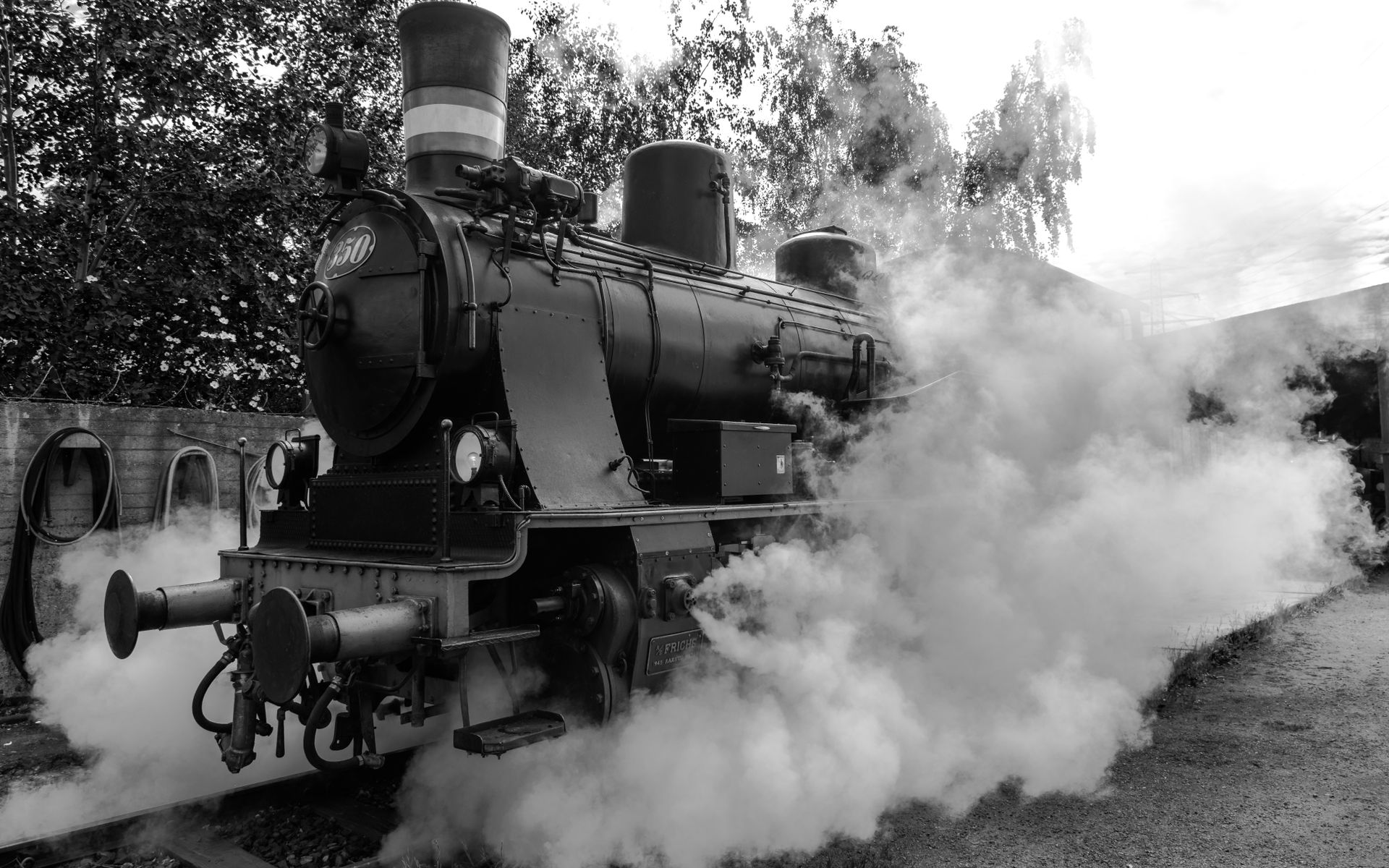
On 3 July 1938, a streamlined blue steam locomotive named Mallard hurtled down a gentle descent on the East Coast Main Line in England and, for a few seconds, reached a speed of 126 miles per hour. That figure, recorded on a summer afternoon south of Grantham, set a world speed record for steam locomotives that has stood ever since, unbroken to this day.
Mallard was one of a class of locomotives known as the A4, designed by the engineer Sir Nigel Gresley for the London and North Eastern Railway. The A4s were distinguished by their sleek, wind-cheating casings, a departure from the boxy engines of earlier decades. The streamlined shape was not merely stylish; it reduced air resistance at high speed, an advantage Gresley and his team pursued deliberately.
The record run took place during a period of intense competition between railway companies in Britain and on the European continent, each eager to prove its engines the fastest and most modern. In Germany, streamlined locomotives had posted impressive speeds, and British railways were determined to answer. The rivalry pushed engineers to refine boilers, valves and aerodynamics in pursuit of ever-higher velocities.
The attempt itself was carefully arranged. Mallard was sent down Stoke Bank, a long descending gradient that helped the locomotive build speed, hauling a small set of carriages that included a dynamometer car — a special vehicle fitted with instruments to measure and record the train's exact speed and the forces involved. The presence of that car is why the achievement could be documented so precisely.
Accounts of the run describe the locomotive reaching its peak of 126 miles per hour before the crew eased off, and the effort took a mechanical toll: the middle big-end bearing overheated, and Mallard had to be taken off the train shortly afterwards for repairs. The record, however, was secure, a testament to how close the machine had been driven to its limits.
What makes the record remarkable is its endurance. Steam traction was already approaching the ceiling of what the technology could achieve, and within a generation railways around the world would turn to diesel and electric power, which offered greater efficiency and reliability. No steam locomotive has since been built and run in conditions that would allow the mark to be seriously challenged, so Mallard's number has become a permanent entry in the record books.
The locomotive's designer, Nigel Gresley, is remembered as one of the most accomplished figures in British locomotive engineering, and the A4 class as among the most celebrated steam designs ever produced. Gresley did not live to see the full twilight of steam; he died a few years later, but the machines he shaped carried his reputation well beyond his lifetime.
Mallard itself survived the transition away from steam and was preserved rather than scrapped. Today it is part of the national collection and can be seen by the public, its record-setting run commemorated as a landmark in transport history. The locomotive has been the subject of anniversaries, exhibitions and reunions of the surviving A4 class members over the years.
The story resonates beyond railway enthusiasts because it captures a particular moment in industrial history: the peak of a mature technology just before it was overtaken. Mallard represents the culmination of more than a century of steam development, achieved at the very edge of what coal, water and precision engineering could deliver on rails.
More than eight decades on, the record still stands, and the figure of 126 miles per hour remains a benchmark cited whenever the golden age of steam is discussed. For a machine built to burn coal and boil water, Mallard's brief dash down Stoke Bank on a July afternoon secured a place in history that faster, more modern trains have never taken away.
Read next
Why did Henry VIII boil his cook alive? Grisly tales from Tudor England
Tudor England is remembered for its palaces and portraits, but its criminal codes could be startlingly brutal. Historians point to the case of a royal cook sentenced to death by boiling as one of the era's strangest, and most revealing, punishments.

On this day, 21 July 1861: the First Battle of Bull Run shocks a nation expecting a short war
On 21 July 1861, Union and Confederate forces clashed near Manassas, Virginia, in the first major land battle of the American Civil War. The chaotic Confederate victory dispelled hopes on both sides that the conflict would be brief.
The Dog Line: the chain of hounds that guarded Australia's most notorious prison
In the 1800s, a chained line of guard dogs was stationed across the narrow strip of land at Eaglehawk Neck to prevent escapes from the Port Arthur penal colony in Tasmania. The unusual security measure illustrates just how ruthless colonial-era Australia's methods for controlling prisoners could be.

Who was the Cyclops Polyphemus, and why did he terrify the ancient Greeks?
The one-eyed giant Polyphemus in Homer's Odyssey is one of Greek mythology's most famous monster stories. But for ancient audiences, the Cyclops was frightening in very specific, culturally loaded ways tied to the boundaries of civilization itself.

Did the Trojan War really happen? Why even experts can't agree
The Trojan War described in Homer's Iliad has sat at the center of a myth-versus-history debate for centuries. Archaeological evidence confirms a city at Troy's likely location existed and was destroyed, but whether a decade-long siege and a wooden horse ever really happened remains genuinely contested among historians.