26 June 1945: the signing of the United Nations Charter
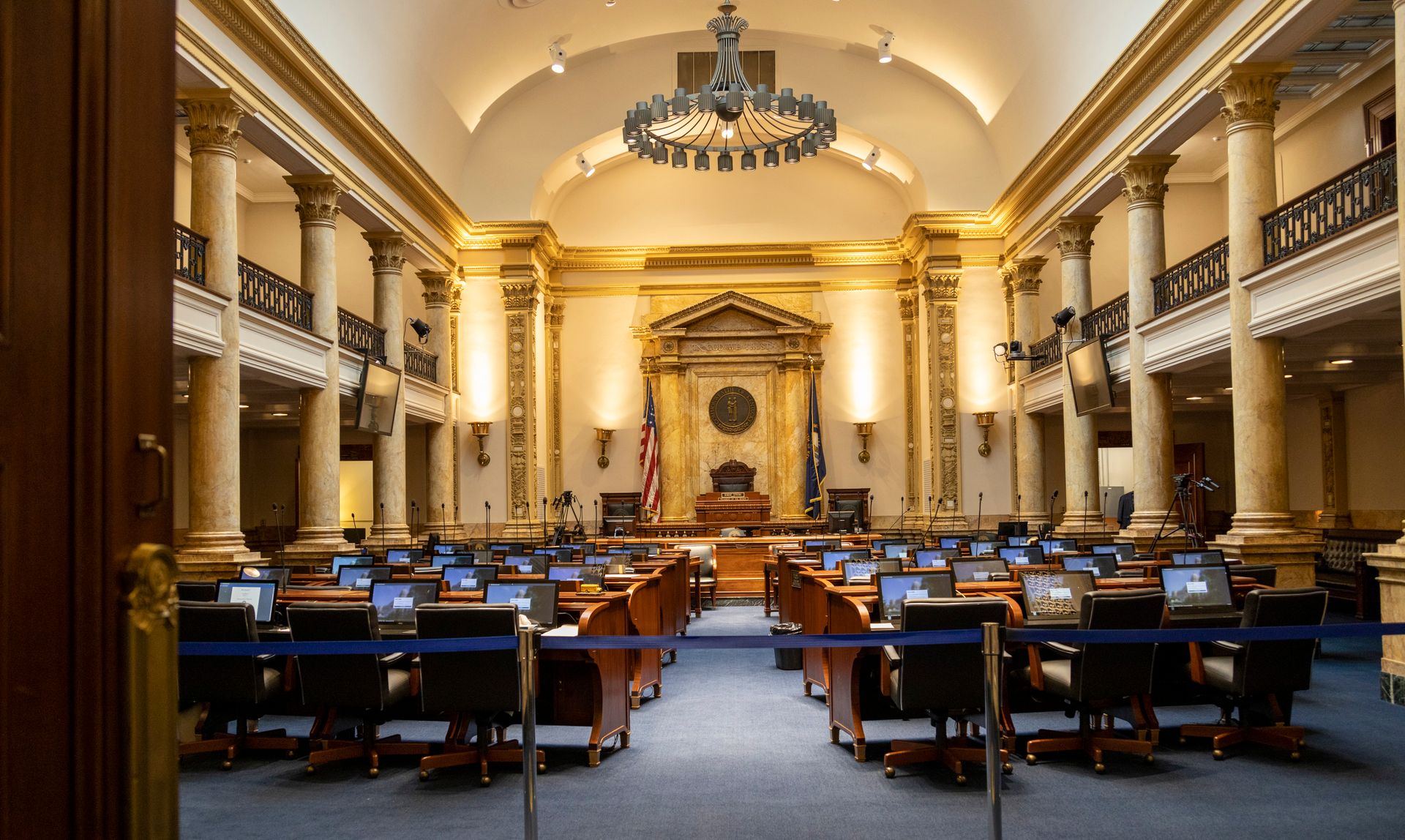
On 26 June 1945, delegates from 50 countries gathered in San Francisco signed the Charter of the United Nations. This document became the founding text of a new global organisation intended to institutionalise international peace and cooperation after the devastation of the Second World War.
The signing ceremony took place at the end of the San Francisco Conference (formally the United Nations Conference on International Organization), which had been under way since 25 April. Throughout the conference, states negotiated for weeks over the structure, powers and principles of the organisation to be created. The Charter was the consensus result of those negotiations.
The idea of the United Nations had taken shape among the Allied powers during the war. The failure of the earlier League of Nations to prevent the Second World War prompted states to design a new organisation with stronger mechanisms. The term "United Nations" itself had first been used during the war years to describe the countries acting together against the Axis powers.
The Charter set out the organisation's core aims clearly: to maintain international peace and security, to develop friendly relations among nations, to promote cooperation in solving economic, social and humanitarian problems, and to encourage respect for human rights. These aims were summed up in the document's preamble with the phrase about saving "succeeding generations from the scourge of war."
The text also defined the organisation's principal bodies. These included the General Assembly, in which all member states are represented; the Security Council, responsible for peace and security; the Economic and Social Council; the International Court of Justice; and the Secretariat, which carries out the organisation's administrative work.
The structure of the Security Council was one of the most debated and most decisive elements of the Charter. The Council's five permanent members — at the time China, France, the Soviet Union, the United Kingdom and the United States — were granted a power of veto over certain decisions. This arrangement was meant to keep the major powers within the organisation, while in later years it would have a significant effect on the Council's decisions.
The Charter was signed on 26 June, but it required the approval of member states to come into force. The document formally entered into force on 24 October 1945, after it had been ratified by all the permanent members and a majority of the other signatory states. For this reason 24 October is now marked as United Nations Day.
Among the signatory countries were the great powers of the day as well as many small and medium-sized states. The organisation has grown its membership significantly since its founding; in particular, with the process of decolonisation in the second half of the 20th century, many newly independent states joined the UN.
Historians regard the United Nations Charter as one of the foundational documents that shaped the international order of the 20th century. While the organisation's effectiveness and limits have been debated in different periods over time, the Charter's attempt to bind relations between states to rules is recognised as an important milestone in the development of modern international law.
Today, although decades have passed since its signing, this text adopted in San Francisco continues to shape much of the framework of global diplomacy. The 26th of June 1945 went down in history as the day the institutional foundations of international cooperation were laid in the post-war world.
Read next
Why did Henry VIII boil his cook alive? Grisly tales from Tudor England
Tudor England is remembered for its palaces and portraits, but its criminal codes could be startlingly brutal. Historians point to the case of a royal cook sentenced to death by boiling as one of the era's strangest, and most revealing, punishments.

On this day, 21 July 1861: the First Battle of Bull Run shocks a nation expecting a short war
On 21 July 1861, Union and Confederate forces clashed near Manassas, Virginia, in the first major land battle of the American Civil War. The chaotic Confederate victory dispelled hopes on both sides that the conflict would be brief.
The Dog Line: the chain of hounds that guarded Australia's most notorious prison
In the 1800s, a chained line of guard dogs was stationed across the narrow strip of land at Eaglehawk Neck to prevent escapes from the Port Arthur penal colony in Tasmania. The unusual security measure illustrates just how ruthless colonial-era Australia's methods for controlling prisoners could be.

Who was the Cyclops Polyphemus, and why did he terrify the ancient Greeks?
The one-eyed giant Polyphemus in Homer's Odyssey is one of Greek mythology's most famous monster stories. But for ancient audiences, the Cyclops was frightening in very specific, culturally loaded ways tied to the boundaries of civilization itself.

Did the Trojan War really happen? Why even experts can't agree
The Trojan War described in Homer's Iliad has sat at the center of a myth-versus-history debate for centuries. Archaeological evidence confirms a city at Troy's likely location existed and was destroyed, but whether a decade-long siege and a wooden horse ever really happened remains genuinely contested among historians.