Hormuz crisis is redrawing Latin America's energy map
As Iran tightens its grip on the Strait of Hormuz, the shockwave from Asia's energy panic is reshaping Latin America's strategic calculus overnight. From Guyana's oil output to Chile's lithium mines, the region is reassessing its role in global supply chains.
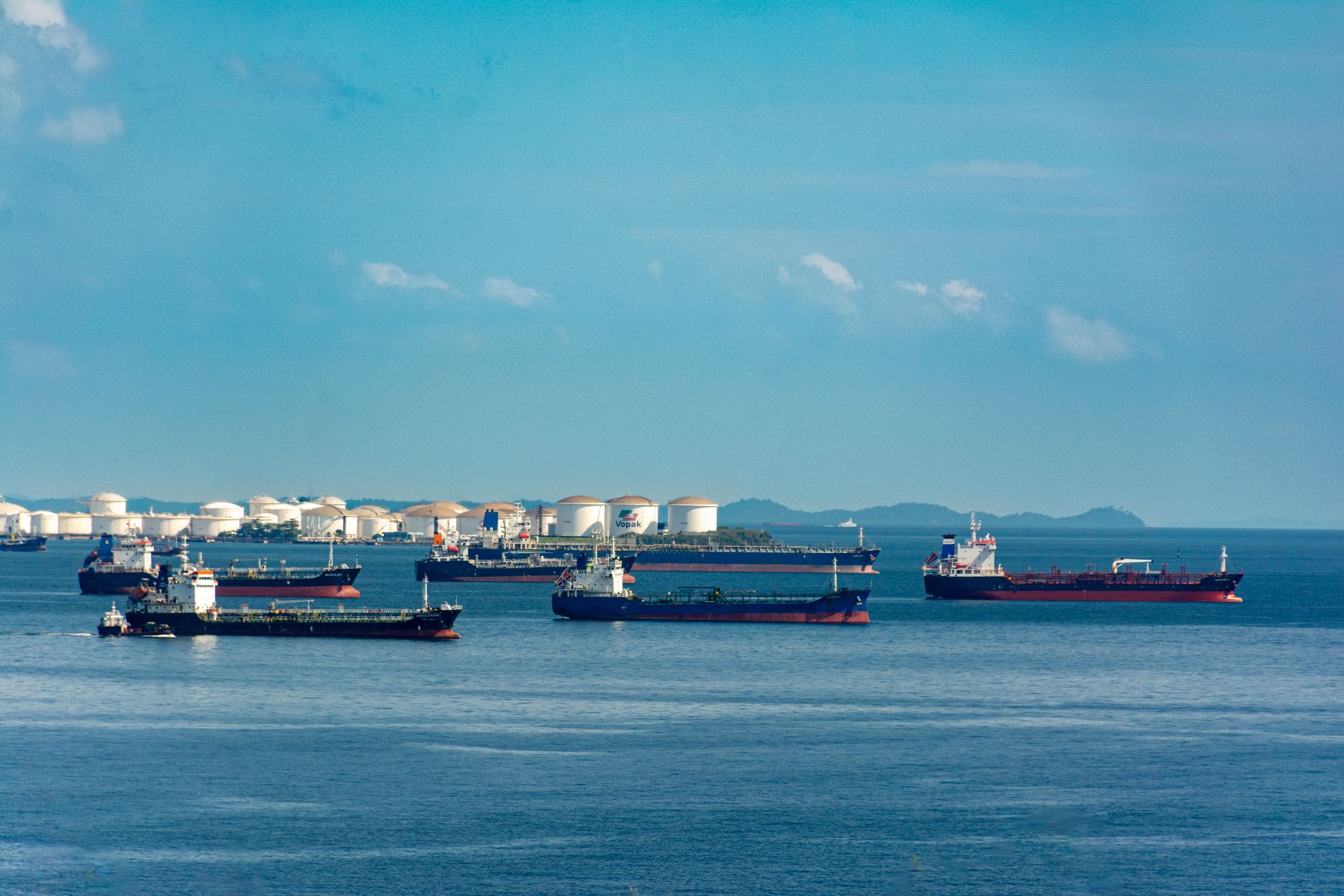
Iran's tightening grip on shipping through the Strait of Hormuz, amid the wider Gulf conflict, has rattled Asian energy importers worried about supply security. But analysts say the more lasting effect of the shock may be felt in Latin America.
Guyana's rapidly growing oil output and Brazil's deepwater reserves have suddenly become more attractive to Asian refiners seeking alternatives that don't depend on Hormuz. Lithium deposits in Chile and Argentina are drawing similar attention from investors looking to diversify supply chains away from chokepoints tied to the conflict.
Regional governments are greeting the opportunity with cautious optimism, acknowledging that higher demand could push prices up even as volatility in global markets brings its own risks.
Read next

US renews strikes on Iran as Trump threatens underground nuclear site
US President Trump threatened to strike a key underground Iranian nuclear facility, as the United States carried out renewed attacks on Iranian targets ahead of the 11th consecutive night of the conflict.
Argentina's trade surplus hits record near $14 billion in first half of 2026
Trump plans generic drug tariffs starting in 2028 to test US onshoring

Rubio warns Iran's Hormuz threat risks global fallout as US strikes continue
