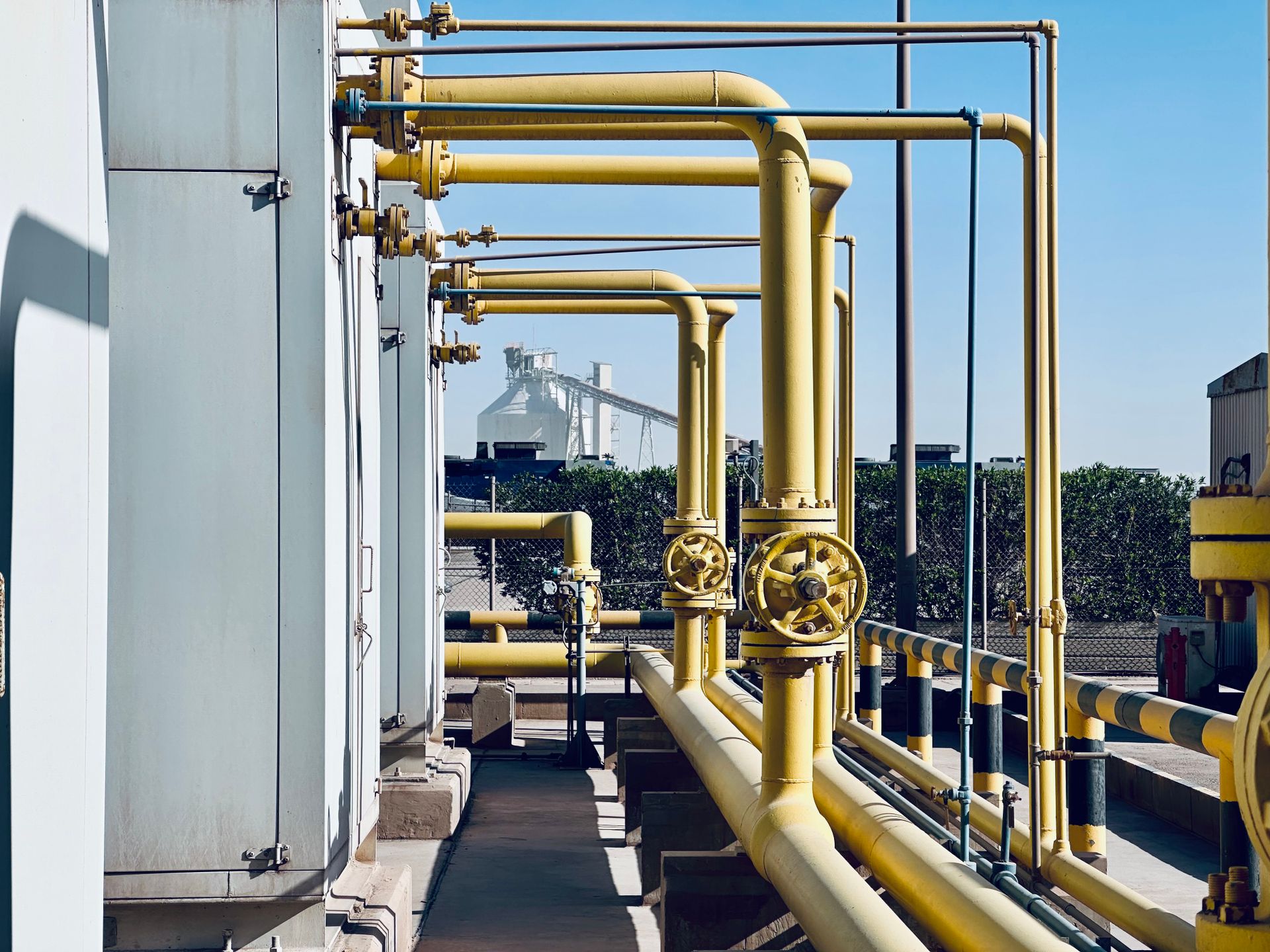
China's role as 'swing importer' cushions oil market spike
As tensions in the Middle East push oil prices higher, China's ability to flexibly adjust its imports is cushioning the shock to global markets. Analysts say Beijing is using its strategic reserves and purchase timing to manage price volatility.

As military tensions in the Middle East push global oil prices higher, China's capacity to act flexibly as one of the world's largest crude importers is drawing attention. Analysts say Beijing's approach to timing purchases and drawing on strategic reserves is helping cushion global price shocks.
Chinese refiners can temporarily scale back purchases when prices spike, then increase buying to replenish stockpiles when prices fall. This 'swing importer' role is made possible by the country's vast storage capacity and state-directed procurement strategy.
Experts note that while this flexibility acts as a buffer for global markets, China is acting according to its own energy security priorities, meaning the effect cannot be counted on as a guaranteed source of stability for other countries.
Read next

Yemen's Houthi movement announces 'maritime embargo' on Saudi Arabia
Yemen's Houthi movement announced it would impose a maritime embargo on Saudi Arabia, raising fresh concerns about shipping safety in the Red Sea region. The move risks further inflaming tensions in an already volatile waterway.

US launches fresh strikes on Iran as Trump warns of retaliation for soldiers' deaths

China, Philippines blame each other over South China Sea clash

Afghanistan floods leave at least 20 dead and more than 100 missing