End of Iran war may just begin a new era of US inequality, analysis says
A CNBC analysis argues that while US stocks boomed during the Iran war on AI and defence demand, high energy and food prices have squeezed middle-class consumers. The gap could harden into a structural inequality pattern even after a ceasefire.
 CNBC Top News
The CNBC analysis notes that during the roughly three-month Iran war, Wall Street posted records on AI, defence and energy demand, while American households absorbed sharp increases in food, fuel and insurance costs. Goldman Sachs estimates the war added about $450 per year in extra energy costs per household.
The piece points to an S&P 500 May return above 8 percent against a USDA food-price index up 5.2 percent and EIA data showing summer-grade gasoline 18 percent above year-ago levels. JPMorgan and Goldman Sachs analysts assess that the war could add 0.4-0.6 percentage points of lasting core inflation contribution.
According to CNBC, even if financial-asset prices retreat after a possible ceasefire, the stickiness of energy and food prices will continue to weigh disproportionately on household disposable income. This article is not investment or personal-finance advice; consult a licensed professional for individual decisions.
More from North America

Broadcom shares plunge as software sales lag, AI chip forecast steady
Broadcom reported accelerating AI chip growth, but software sales lagged expectations and the full-year AI chip forecast was left unchanged. Shares fell sharply in after-hours trade. Investors questioned whether the unchanged guidance signals a slowdown in hyperscaler capital spending.
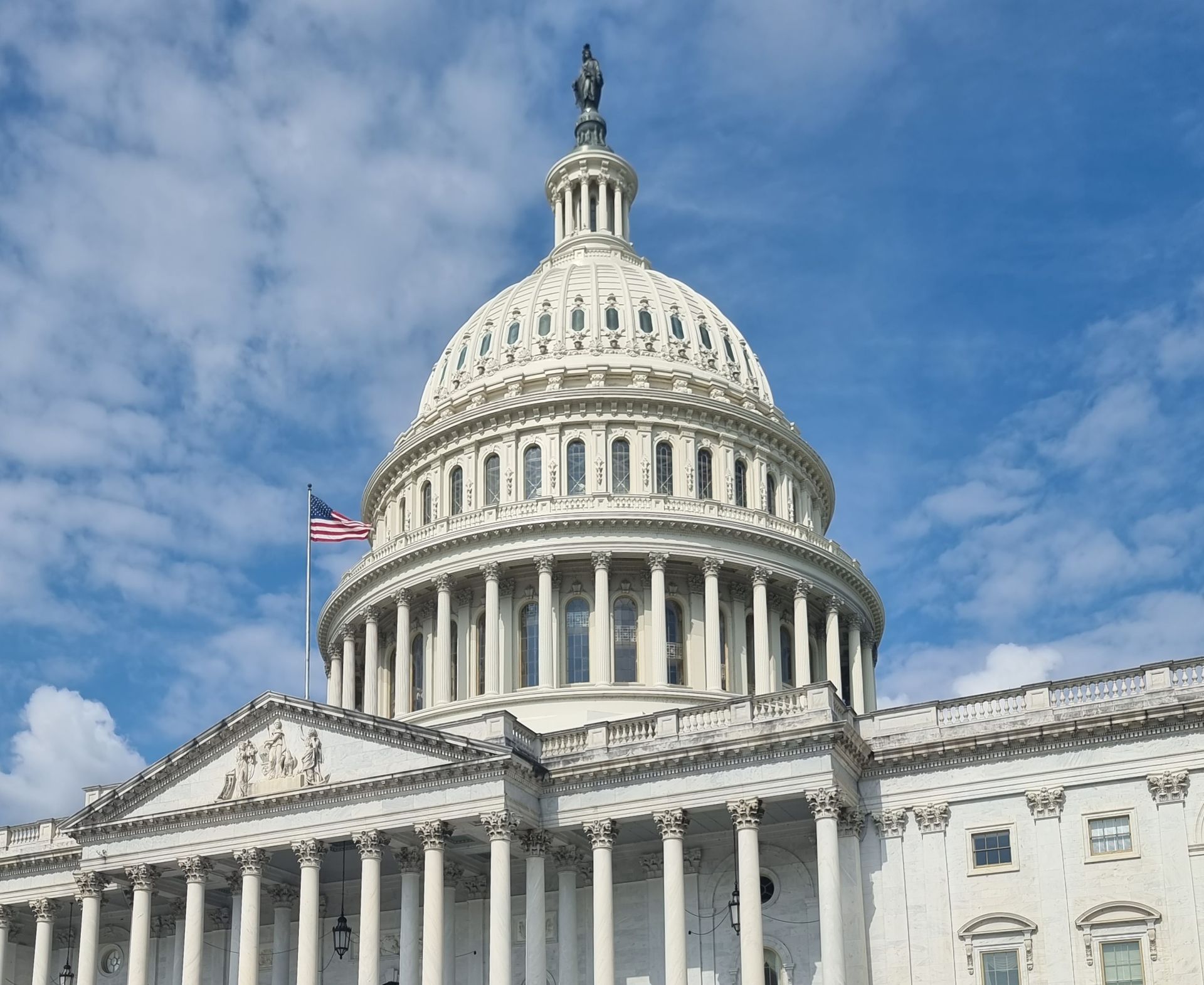
US House votes to constrain Trump's war powers on Iran
The US House of Representatives passed a resolution to restrict President Trump's authority to use military force against Iran without congressional approval. The measure now moves to the Senate, where its fate is uncertain; Trump is expected to veto if it reaches his desk. Oil markets traded volatile on the headline.

US private payrolls grew by 122,000 in May, stronger than expected, ADP reports
US private payrolls rose by 122,000 jobs in May, beating economists' expectations, according to the ADP report. The data suggests the labor market remains resilient as the Federal Reserve reassesses its interest-rate path.