Hormuz oil exports may not return to pre-Iran-war levels, analysts warn
Petroleum-market analysts say the Strait of Hormuz volumes that prevailed before the Iran war may take years to fully return. Insurance premiums, re-routing decisions and Iran's new naval permission regime have layered structural costs onto Gulf shipping.
 CNBC Top News
CNBC reports that even as oil traffic through the Strait of Hormuz gradually normalises after the Iran war, full return to pre-war volumes within a short window looks unlikely. The strait carries over 20 million barrels per day, roughly one-fifth of global seaborne oil trade, so even small disruptions translate into price volatility on global benchmarks.
According to analysts cited in the CNBC piece, three structural factors are now in play. First, war-risk insurers including Lloyd's have kept premiums elevated above pre-war levels; second, major shipowners that re-routed vessels around the Cape of Good Hope and other alternatives are locked into long-term contracts; third, Iran's new naval regime now requires coordination and permission for each transit. Tehran has also announced that Russian and Chinese vessels will receive preferential treatment.
Brent crude was trading in the $90 range on 30 May, while institutions such as Goldman Sachs project a $92-99 band for the third quarter. This article is informational reporting and not investment advice; consult a licensed adviser for personal investment decisions.
More from North America

Broadcom shares plunge as software sales lag, AI chip forecast steady
Broadcom reported accelerating AI chip growth, but software sales lagged expectations and the full-year AI chip forecast was left unchanged. Shares fell sharply in after-hours trade. Investors questioned whether the unchanged guidance signals a slowdown in hyperscaler capital spending.
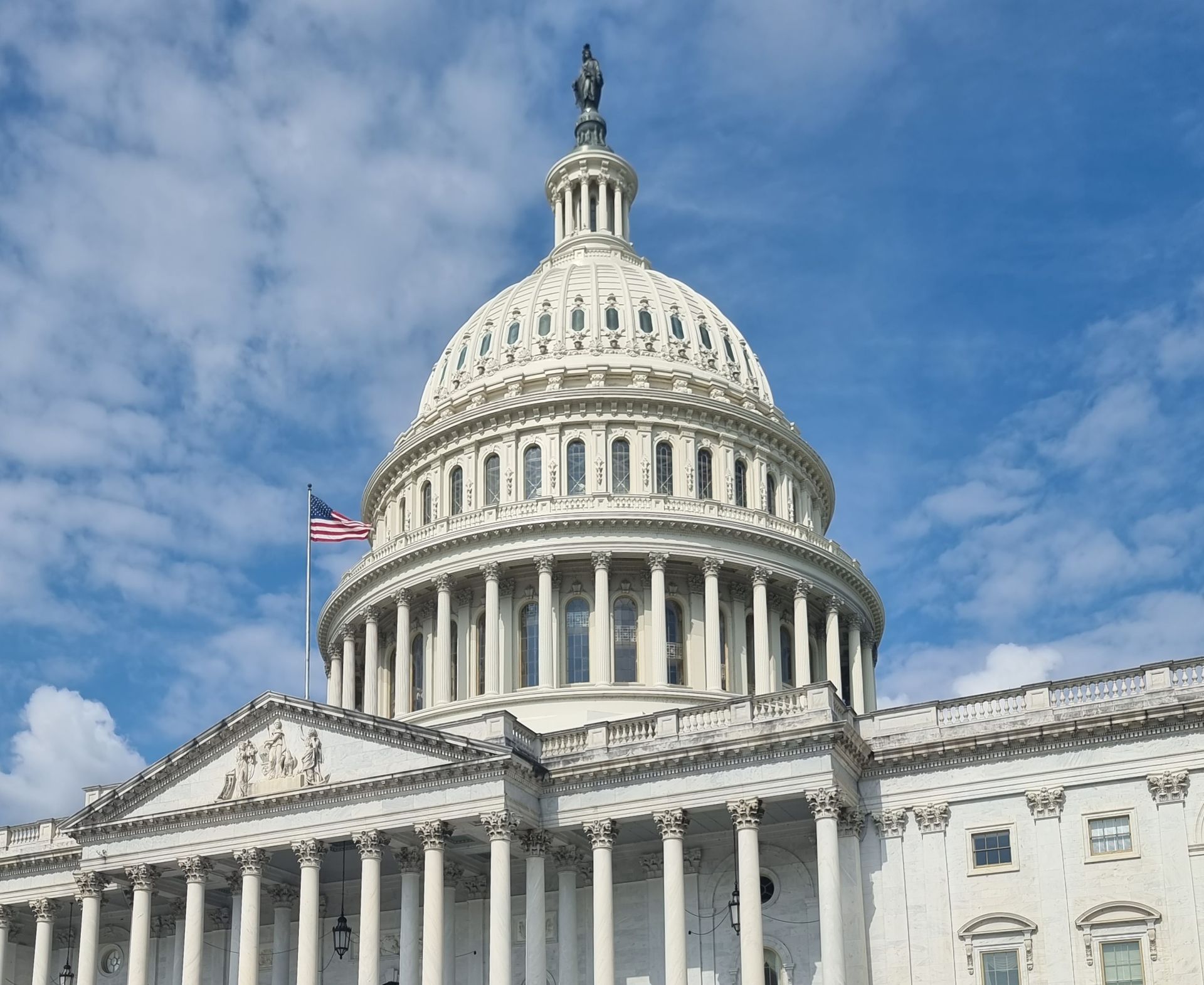
US House votes to constrain Trump's war powers on Iran
The US House of Representatives passed a resolution to restrict President Trump's authority to use military force against Iran without congressional approval. The measure now moves to the Senate, where its fate is uncertain; Trump is expected to veto if it reaches his desk. Oil markets traded volatile on the headline.

US private payrolls grew by 122,000 in May, stronger than expected, ADP reports
US private payrolls rose by 122,000 jobs in May, beating economists' expectations, according to the ADP report. The data suggests the labor market remains resilient as the Federal Reserve reassesses its interest-rate path.