Oklahoma minimum wage vote seen as 2026 inflation barometer
Voters in deeply Republican Oklahoma will weigh a ballot measure to double the state minimum wage in one of the 2026 election cycle's key votes. The outcome could become an early signal of how parties read the inflation outlook and shifting voter mood.
 CNBC Top News
According to CNBC, Oklahoma voters are weighing a ballot measure that would significantly raise the state minimum wage from the federal floor of $7.25 an hour. Sponsors argue cumulative food and housing inflation has squeezed lower-income households, while state Business Federation representative James Mitchell pointed to potential pressure on retail and restaurant employment.
Brookings researcher Carla Stevens told CNBC roughly 22% of Oklahoma's 1.5 million-strong workforce would be directly affected by the measure, a higher share than the 2023-2024 average across comparable Republican states. The latest Public Opinion Polls survey shows a narrow gap between supporters and opponents, leaving turnout on voting day to determine the result.
Federal Reserve officials have said they are tracking the inflationary effect of state-level wage moves on consumer prices. Goldman Sachs analyst Lara Powers assessed that, if approved, the measure could add a transitory 30-50 basis points to Oklahoma's core services inflation in the second half of 2026. This piece is not investment or personal-finance advice.
More from North America

Broadcom shares plunge as software sales lag, AI chip forecast steady
Broadcom reported accelerating AI chip growth, but software sales lagged expectations and the full-year AI chip forecast was left unchanged. Shares fell sharply in after-hours trade. Investors questioned whether the unchanged guidance signals a slowdown in hyperscaler capital spending.
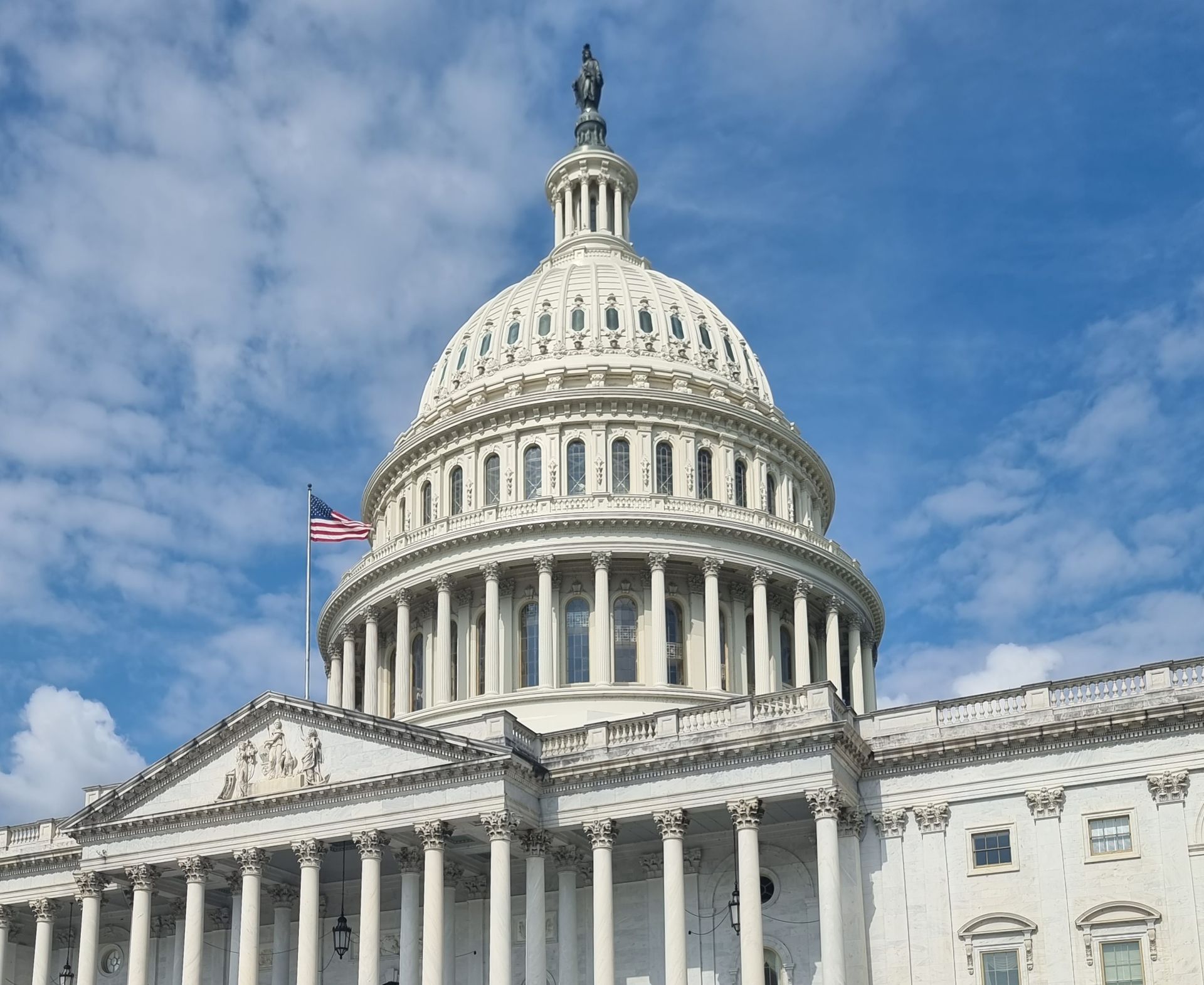
US House votes to constrain Trump's war powers on Iran
The US House of Representatives passed a resolution to restrict President Trump's authority to use military force against Iran without congressional approval. The measure now moves to the Senate, where its fate is uncertain; Trump is expected to veto if it reaches his desk. Oil markets traded volatile on the headline.

US private payrolls grew by 122,000 in May, stronger than expected, ADP reports
US private payrolls rose by 122,000 jobs in May, beating economists' expectations, according to the ADP report. The data suggests the labor market remains resilient as the Federal Reserve reassesses its interest-rate path.