India's first privately built rocket reaches orbit on a dramatic debut launch
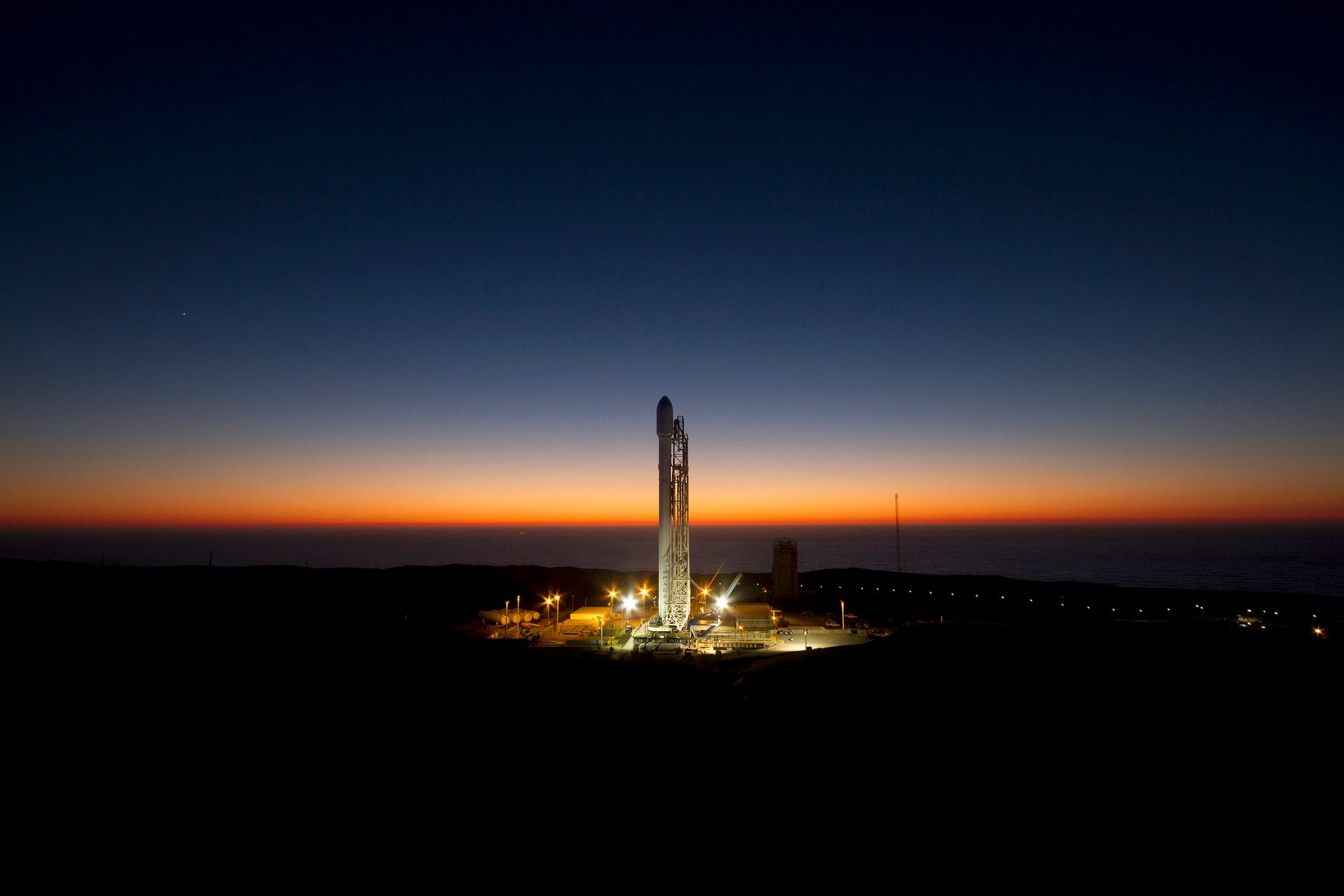
A domain long monopolised by India's state space agency, ISRO, is now being shared. A rocket developed by one of the country's private space companies reached orbit on its very first launch attempt, marking India's first orbital launch built by the private sector.
The significance of the achievement lies in the fact that it succeeded on the first try. In the history of rocket development, debut launches typically fail; even SpaceX's Falcon 1 suffered three failed attempts before reaching orbit. In that context, reaching orbit on a first attempt is a rare engineering feat.
Even those inside the mission were caught off guard. One official on the launch team summed up how risky the process was seen to be, saying, 'On the first attempt, reaching orbit, I never thought it was possible.' Such candid admissions are also notable as a rare degree of openness in the sector.
India's transformation in the space sector is part of a broader liberalisation process that has gathered pace in recent years. The country introduced regulations in the early 2020s allowing private companies to enter the launch market, gradually opening up a structure that had been under state monopoly for decades.
The logic behind this opening is economic. ISRO has traditionally been known for low-cost launches, but global demand — particularly from small satellite operators — has outstripped the state agency's capacity. Private companies aim to meet that demand by offering more flexible, faster-response launch infrastructure.
India's ambitions in this sector are not limited to the domestic market. The country aims to build an industry capable of competing in the global commercial launch market with SpaceX, Rocket Lab and China's state-backed launch providers; low-cost labour and established engineering infrastructure give it a significant advantage toward that goal.
The successful launch is also expected to bolster investor confidence. India's private space ventures have attracted significant venture capital over the past few years, but without a genuine orbital success, much of that investment remained speculative. This launch gives the sector concrete technical proof.
The company shared limited technical details about the rocket, but it is known that the launch took place from the country's own launch site and that the vehicle falls into the small-to-medium satellite class. That class is considered one of the fastest-growing segments of the global launch market.
Experts expect this success to draw new players into India's space ecosystem. Multiple private rocket ventures in the country are already at various stages of development; this first success represents both an incentive and a new bar for competing companies to clear.
For India's space programme, this is as much a symbolic moment as a strategic one: the country is now positioning itself on the global stage not just as a state-backed space power, but as a player with a private-sector-driven launch economy.
Read next

Agent swarms explained: how running many AI models at once is reshaping cost economics
A growing number of AI coding tools now dispatch dozens of AI agents to work on a task in parallel rather than relying on a single model. Here is what an 'agent swarm' actually is, why it changes the cost calculus of building software with AI, and what tradeoffs it introduces.

AliExpress hit with record $625m EU fine over unsafe toys and cosmetics
The European Union has fined AliExpress a record $625 million under its Digital Services Act after the online marketplace failed to remove listings for unsafe toys and dangerous cosmetics despite repeated warnings. The company says it is shocked by the size of the penalty.

SpaceX in your index fund, explained
Index funds are marketed as one of the safest, most passive ways to invest, spreading risk across the whole market rather than betting on individual companies. As SpaceX moves toward a stock market listing at a valuation of roughly $1.77 trillion, ordinary index fund investors may end up owning a slice of it, whether they intended to or not.
Why is Google building its own AI chip, and what would it mean for Gemini
Google's parent company Alphabet is reportedly developing a new chip aimed at making its Gemini AI models run far more efficiently. Here is why custom silicon matters so much to AI companies right now, and what a more efficient Gemini could mean for costs and capability.

Anthropic's landmark $1.5bn AI copyright settlement gets final approval
A US court has given final approval to Anthropic's $1.5 billion settlement over its use of copyrighted books to train AI models, closing one of the most closely watched legal cases in the AI industry. The deal resolves this specific dispute but leaves the broader question of AI training and copyright unsettled.