Mosquito ranges are expanding: why better monitoring is key to preventing disease
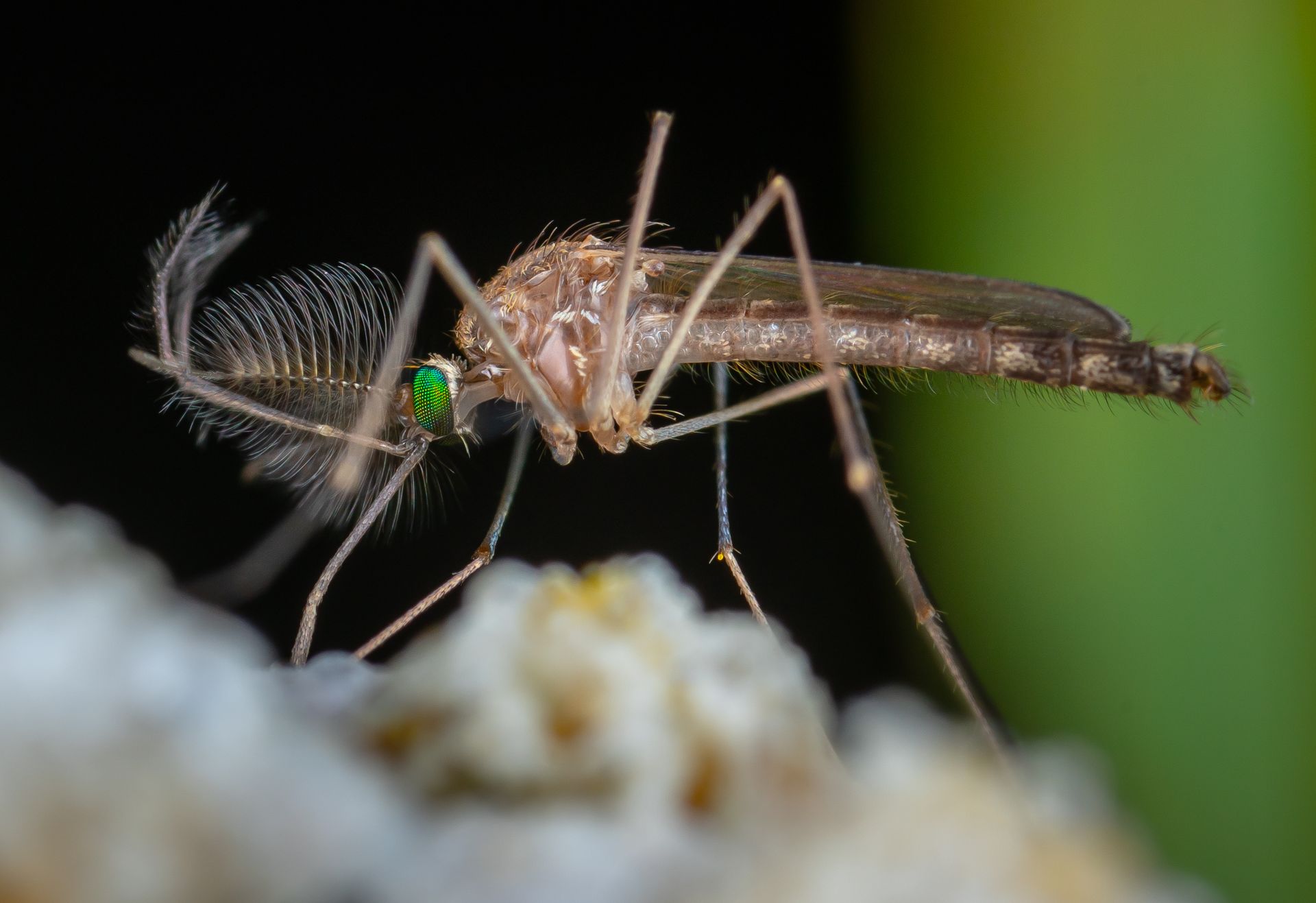
Mosquitoes are often called the deadliest animal on Earth — not because of their own aggression, but because of the diseases they carry. Malaria, dengue, chikungunya and Zika are all spread by mosquito species, and the geographic range of those species is shifting rapidly alongside climate change and urbanisation.
Temperature sits at the root of that shift. Disease-carrying species such as Aedes aegypti and Aedes albopictus were historically confined to tropical and subtropical regions, because both larval development and adult mosquito survival depend on a specific temperature range. As global average temperatures rise, that range is now expanding into latitudes previously considered unsuitable.
As a result, these species are now being detected in southern Europe, the northern United States, and at elevations where they were never previously found. This expansion directly raises the risk of local transmission of diseases that were previously unknown or rare in those regions.
Monitoring mosquito populations is far more complex and costly than it might sound. Public health teams need to identify larval breeding sites, measure adult mosquito density and test collected samples for disease agents — work that requires regular fieldwork, trap deployment and laboratory analysis.
The cost of this labour-intensive process typically falls on local budgets, and many regions — particularly low-income countries and rural areas — lack the resources to carry out this monitoring continuously and comprehensively. As a result, the early stages of mosquito range expansion often go unnoticed.
New approaches developed to close that gap include low-cost smart traps, AI-powered acoustic sensors that recognise mosquito sounds, and citizen science apps that let anyone contribute to species identification using photos taken with a smartphone.
Satellite data is also becoming an increasingly important tool. Researchers are combining rainfall patterns, temperature maps and vegetation data to build models that predict where mosquito breeding sites are likely to form — allowing high-risk areas to be prioritised before teams even go into the field.
The value of early-warning systems becomes clear when weighed against the cost of an outbreak. When a malaria or dengue outbreak erupts in a region, the costs of treatment, hospital beds and lost labour can far exceed the annual budget of a preventive monitoring system many times over.
Experts also stress that monitoring alone is not enough: an early-detected rise in mosquito populations only prevents disease if it's paired with a rapid response — draining breeding sites, targeted spraying, and community awareness campaigns.
For that reason, public health experts argue that investment in monitoring infrastructure is a central part of adapting to the new geographic reality brought by climate change: mosquitoes don't recognise borders, and the cost of tracking them is far lower than the cost of not tracking them at all.
Read next
Agent swarms explained: how running many AI models at once is reshaping cost economics
A growing number of AI coding tools now dispatch dozens of AI agents to work on a task in parallel rather than relying on a single model. Here is what an 'agent swarm' actually is, why it changes the cost calculus of building software with AI, and what tradeoffs it introduces.

AliExpress hit with record $625m EU fine over unsafe toys and cosmetics
The European Union has fined AliExpress a record $625 million under its Digital Services Act after the online marketplace failed to remove listings for unsafe toys and dangerous cosmetics despite repeated warnings. The company says it is shocked by the size of the penalty.
SpaceX in your index fund, explained
Index funds are marketed as one of the safest, most passive ways to invest, spreading risk across the whole market rather than betting on individual companies. As SpaceX moves toward a stock market listing at a valuation of roughly $1.77 trillion, ordinary index fund investors may end up owning a slice of it, whether they intended to or not.
Why is Google building its own AI chip, and what would it mean for Gemini
Google's parent company Alphabet is reportedly developing a new chip aimed at making its Gemini AI models run far more efficiently. Here is why custom silicon matters so much to AI companies right now, and what a more efficient Gemini could mean for costs and capability.

Anthropic's landmark $1.5bn AI copyright settlement gets final approval
A US court has given final approval to Anthropic's $1.5 billion settlement over its use of copyrighted books to train AI models, closing one of the most closely watched legal cases in the AI industry. The deal resolves this specific dispute but leaves the broader question of AI training and copyright unsettled.