SpaceX aborts second Starship V3 launch attempt after engine ignition
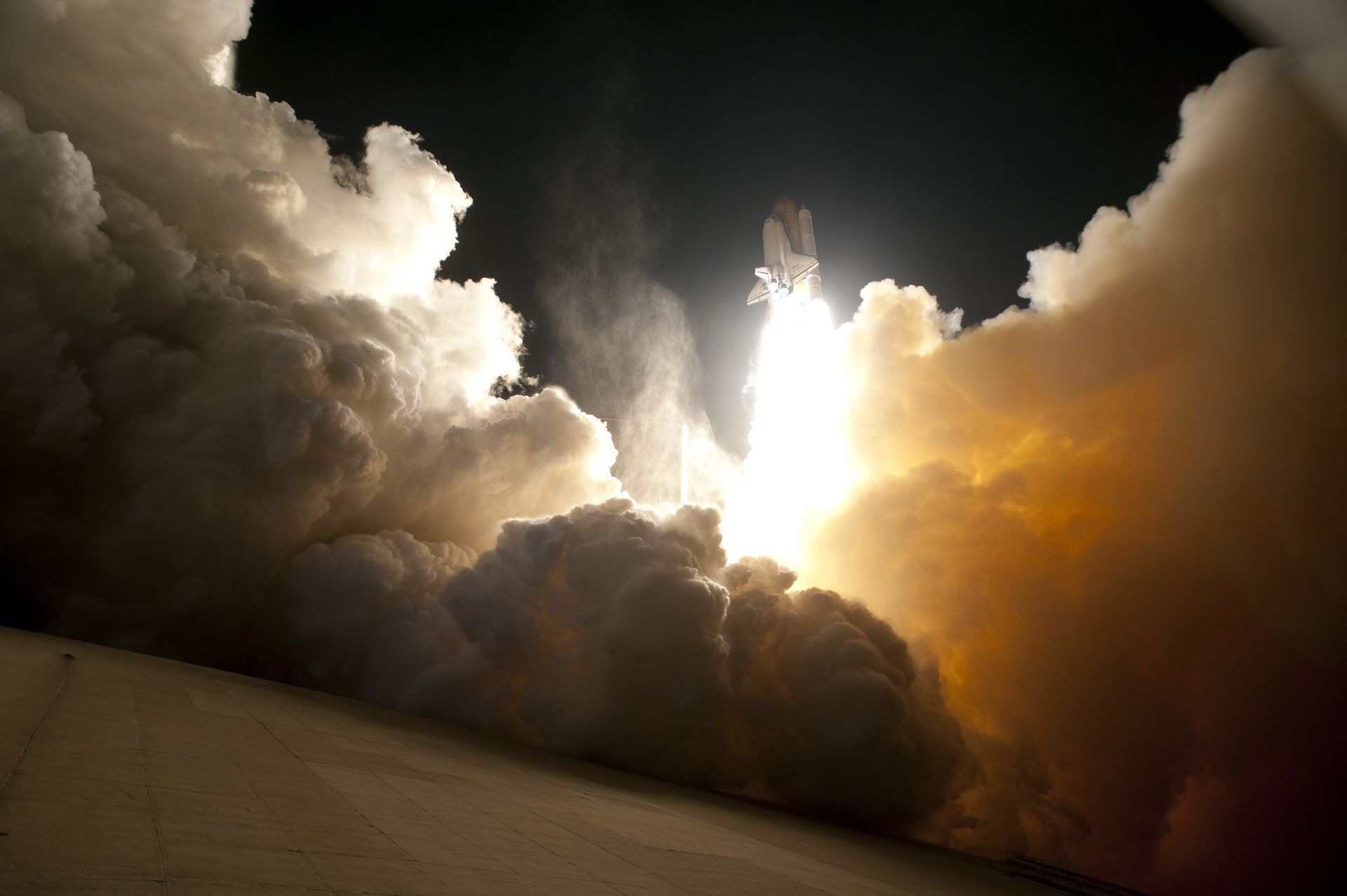
SpaceX aborted its second attempt to launch the newest version of its Starship rocket, designated V3, moments after the vehicle's engines ignited on the pad, the company confirmed, without immediately detailing the cause of the abort. It was the second such stoppage for this particular launch attempt, following an earlier scrub.
Starship is SpaceX's largest and most powerful vehicle, central to the company's long-term ambitions for Mars missions and to NASA's Artemis program, which has selected a Starship variant to land astronauts on the Moon. The V3 designation refers to the latest iteration of the vehicle, incorporating design changes SpaceX has made following earlier test flights, including upgrades intended to increase propellant capacity and improve engine reliability.
Aborting a launch after engine ignition but before liftoff is a deliberate safety function built into the vehicle's automated systems, designed to catch anomalies detected in the fraction of a second between ignition and the moment a rocket would otherwise leave the pad. Triggering an abort at this stage, while dramatic to watch, is generally considered a sign that safety systems are functioning as intended rather than a sign of an unrelated failure.
SpaceX has not said which specific system or sensor reading triggered the abort, and the company's public statements following the incident were limited to confirming that the launch had been halted and that engineers were reviewing data before scheduling another attempt. Rocket companies typically withhold detailed technical explanations until an internal review is further along, in part to avoid speculation based on incomplete information.
The abort occurred against a backdrop of investor attention to SpaceX's private share price, which reportedly fell more than 4% in after-hours private trading following news of the aborted launch before recovering a portion of that decline. SpaceX remains a privately held company, and its shares trade primarily through periodic tender offers and secondary marketplaces rather than a public stock exchange, but those private valuations have increasingly become a closely watched proxy for investor sentiment about the company's programs.
Starship's development has followed an iterative testing approach that SpaceX has used across its rocket programs for years, deliberately flying early prototypes to failure to gather data rather than delaying tests until every system has been exhaustively validated on the ground. Under that philosophy, aborted or unsuccessful test flights are treated as an expected part of the development process rather than as unambiguous setbacks, though the approach has also drawn scrutiny from regulators and outside observers over the pace of testing near populated areas.
The vehicle's problems in this test campaign follow a mixed track record for the Starship program's most recent flights, which have included both partial successes and failures at various stages of ascent, engine performance and vehicle recovery since the rocket's first integrated test flight. Each test has been used by SpaceX engineers to refine the vehicle's design ahead of the next attempt.
NASA's reliance on a Starship variant for its Artemis lunar landing missions adds schedule pressure to the vehicle's testing campaign, since delays in Starship's development timeline have the potential to affect the broader Artemis program's own target dates for returning astronauts to the lunar surface, a dependency that has drawn periodic attention from congressional oversight committees.
SpaceX has not announced a new target date for the next Starship V3 launch attempt, saying only that the timeline will depend on the outcome of its post-abort review. The company has historically moved quickly to reschedule test flights once a review is complete, in some cases attempting a subsequent launch within days of resolving an identified issue.
Space industry analysts say the abort, while a setback to the immediate test schedule, is unlikely on its own to significantly alter longer-term expectations for the Starship program, given the vehicle's testing history and the built-in expectation among investors and NASA officials that a program of this scale and ambition will involve repeated iteration before reaching operational reliability.
Read next
Agent swarms explained: how running many AI models at once is reshaping cost economics
A growing number of AI coding tools now dispatch dozens of AI agents to work on a task in parallel rather than relying on a single model. Here is what an 'agent swarm' actually is, why it changes the cost calculus of building software with AI, and what tradeoffs it introduces.

AliExpress hit with record $625m EU fine over unsafe toys and cosmetics
The European Union has fined AliExpress a record $625 million under its Digital Services Act after the online marketplace failed to remove listings for unsafe toys and dangerous cosmetics despite repeated warnings. The company says it is shocked by the size of the penalty.

SpaceX in your index fund, explained
Index funds are marketed as one of the safest, most passive ways to invest, spreading risk across the whole market rather than betting on individual companies. As SpaceX moves toward a stock market listing at a valuation of roughly $1.77 trillion, ordinary index fund investors may end up owning a slice of it, whether they intended to or not.

Why is Google building its own AI chip, and what would it mean for Gemini
Google's parent company Alphabet is reportedly developing a new chip aimed at making its Gemini AI models run far more efficiently. Here is why custom silicon matters so much to AI companies right now, and what a more efficient Gemini could mean for costs and capability.

Anthropic's landmark $1.5bn AI copyright settlement gets final approval
A US court has given final approval to Anthropic's $1.5 billion settlement over its use of copyrighted books to train AI models, closing one of the most closely watched legal cases in the AI industry. The deal resolves this specific dispute but leaves the broader question of AI training and copyright unsettled.