On this day: the 1799 discovery of the Rosetta Stone that unlocked hieroglyphs
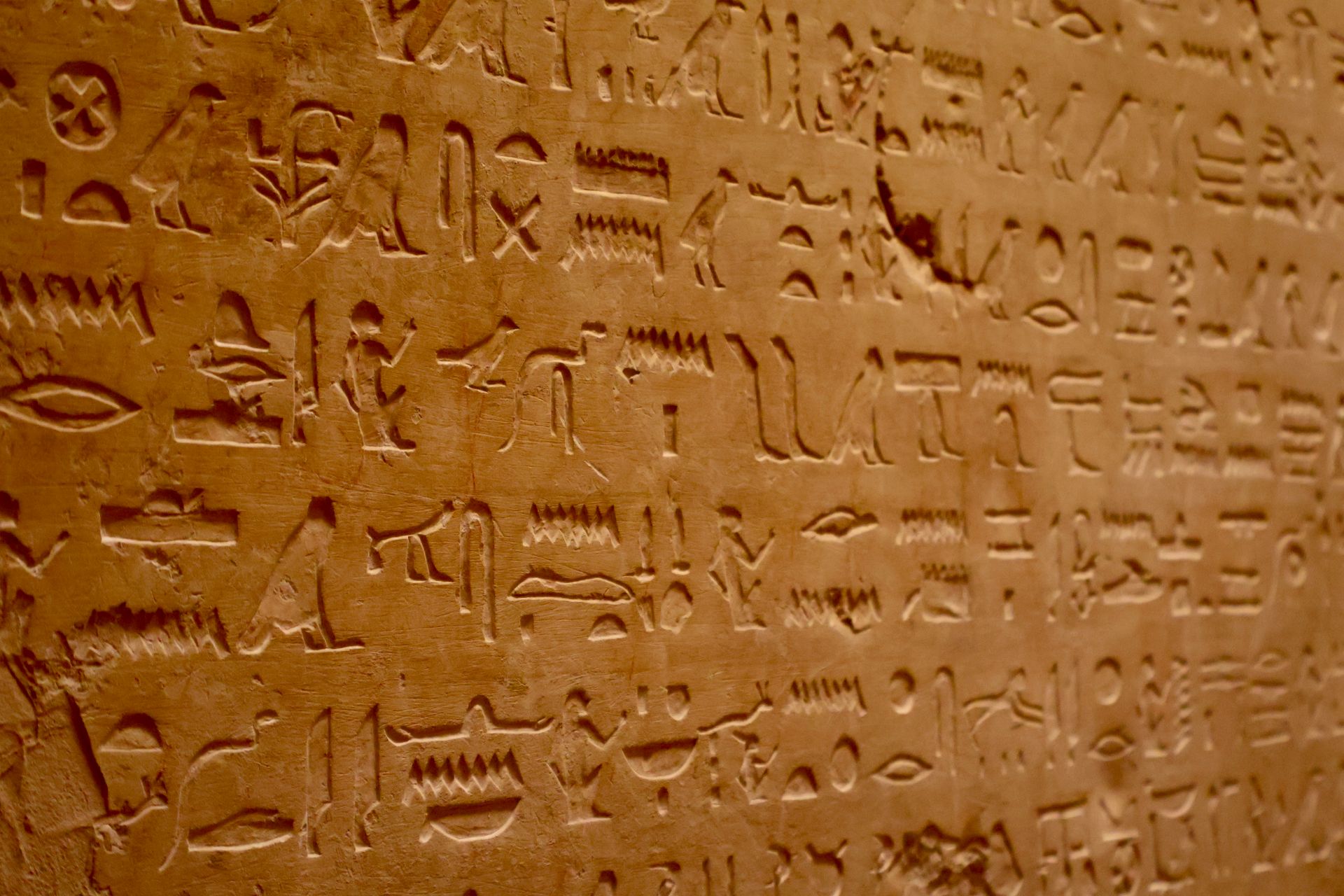
On 15 July 1799, French soldiers stationed in Egypt as part of Napoleon Bonaparte's campaign were repairing an old fort near the Nile Delta town of Rosetta when they unearthed a dark, broken slab of stone from the ground. No one realized at the time that this unassuming find would go on to crack one of history's most enduring puzzles.
The stone's surface carried three separate blocks of text: ancient Egyptian hieroglyphs at the top, Demotic — the everyday Egyptian script of the era — in the middle, and Ancient Greek at the bottom. That threefold arrangement suggested the stone recorded a single message written in three different scripts.
The inscription turned out to be a priestly decree issued in 196 BC in honor of the reigning pharaoh, Ptolemy V. Its content was largely administrative and religious in nature, but the stone's real significance lay not in what it said, but in the fact that it said the same thing in three languages at once.
Ancient Egyptian hieroglyphs had fallen out of use by the late 4th century AD, and by the time the stone was found, no one alive still knew how to read them. For centuries, scholars had puzzled over the mysterious symbols carved into temple walls and monuments, without ever cracking the code.
The stone's discovery handed researchers a rare opportunity: comparing the hieroglyphic text against the same message rendered in Ancient Greek, a language scholars could already read. That gave them a reference point from which to begin decoding the hieroglyphic script.
Following the French army's defeat in Egypt, the stone passed into British hands under a treaty signed in 1801, and it has been on display at the British Museum in London ever since. Whether the stone should be returned to Egypt remains a subject of ongoing debate today.
Fully deciphering the text took years after the stone's discovery. French linguist Jean-François Champollion completed the breakthrough in 1822, proving that hieroglyphs were not purely symbolic but also included a phonetic system representing spoken sounds.
Champollion's success drew heavily on his knowledge of the Coptic language and his analysis of recurring patterns in the pharaohs' names inscribed on the stone. The achievement is widely regarded as marking the birth of modern Egyptology.
Thanks to the Rosetta Stone's decipherment, thousands of hieroglyphic texts, tomb inscriptions and papyri now on display in museums worldwide became readable. That opened access to a previously locked trove of knowledge about ancient Egyptian daily life, religious beliefs and political history.
Today, the phrase "Rosetta Stone" is used as shorthand across fields from language-learning software to scientific research for anything that serves as a key to decoding something once thought unreadable — a sign that the stone itself has become one of history's most enduring symbols.
Read next

Why did Henry VIII boil his cook alive? Grisly tales from Tudor England
Tudor England is remembered for its palaces and portraits, but its criminal codes could be startlingly brutal. Historians point to the case of a royal cook sentenced to death by boiling as one of the era's strangest, and most revealing, punishments.

On this day, 21 July 1861: the First Battle of Bull Run shocks a nation expecting a short war
On 21 July 1861, Union and Confederate forces clashed near Manassas, Virginia, in the first major land battle of the American Civil War. The chaotic Confederate victory dispelled hopes on both sides that the conflict would be brief.

The Dog Line: the chain of hounds that guarded Australia's most notorious prison
In the 1800s, a chained line of guard dogs was stationed across the narrow strip of land at Eaglehawk Neck to prevent escapes from the Port Arthur penal colony in Tasmania. The unusual security measure illustrates just how ruthless colonial-era Australia's methods for controlling prisoners could be.

Who was the Cyclops Polyphemus, and why did he terrify the ancient Greeks?
The one-eyed giant Polyphemus in Homer's Odyssey is one of Greek mythology's most famous monster stories. But for ancient audiences, the Cyclops was frightening in very specific, culturally loaded ways tied to the boundaries of civilization itself.

Did the Trojan War really happen? Why even experts can't agree
The Trojan War described in Homer's Iliad has sat at the center of a myth-versus-history debate for centuries. Archaeological evidence confirms a city at Troy's likely location existed and was destroyed, but whether a decade-long siege and a wooden horse ever really happened remains genuinely contested among historians.