Why Churchill's order to attack the French fleet in 1940 may have shaped WWII
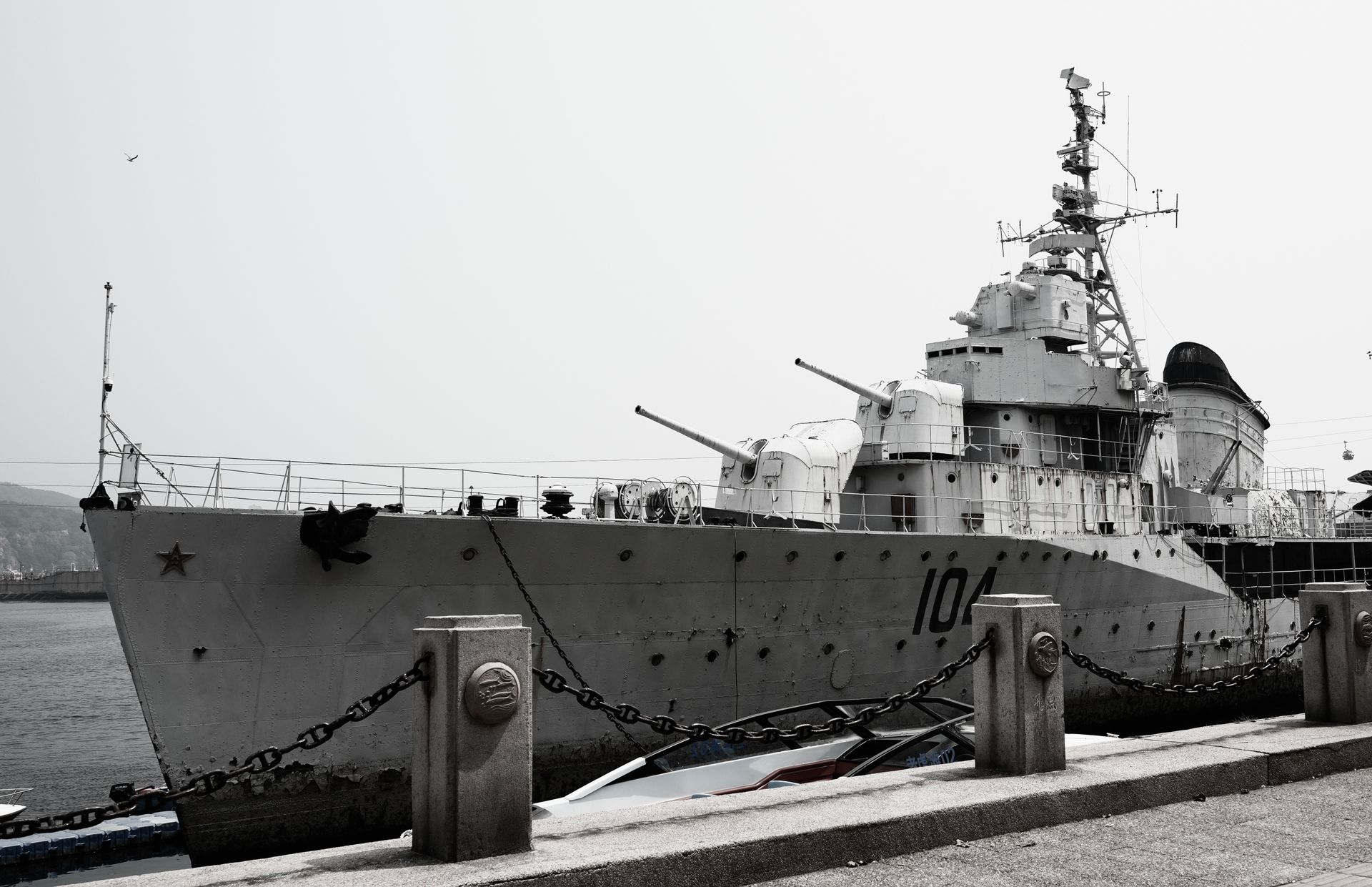
France's rapid collapse against Nazi Germany in June 1940 confronted Winston Churchill's government with an extraordinarily difficult strategic dilemma. With France's signing of an armistice, the fate of its navy — one of the most powerful fleets in the world — became a question that could directly shape the course of the war.
Under the terms of the armistice, the French navy was to remain officially neutral and be disarmed. But the British government harboured deep concern that Germany might seize the fleet and add it to its own naval power. Such a scenario could fundamentally shift the balance of naval strength in the Mediterranean and Atlantic, posing a direct threat to the defence of the British Isles.
Against that backdrop, the Royal Navy delivered an ultimatum to the French fleet anchored at Mers-el-Kébir, off the Algerian coast: the ships would either come under British control, sail to a neutral port, or scuttle themselves. French commanders refused all of these options.
On 3 July 1940, the British navy opened fire. The attack quickly proved devastating: one battleship sank, several others were badly damaged, and more than 1,200 French sailors were killed. The clash between the navies of two countries that had been allies only days earlier went down as one of the most controversial military decisions of the era.
Historical accounts say that although Churchill personally approved the operation, he was deeply shaken by the human cost it exacted, reportedly struggling to hold back tears as he addressed the House of Commons on the matter. That reaction speaks to just how heavy a burden the decision was for him personally.
Historians say the operation's strategic consequences were multifaceted. On one hand, the attack severely damaged relations with the French navy and fostered lasting distrust of Britain among some French officials. On the other, it sent a powerful message to international observers — particularly the United States, which had not yet entered the war — that Britain would never seek accommodation with Germany and would fight the war to its conclusion.
The importance of that message was largely shaped by the political context of the moment. Following France's collapse, speculation had spread in some quarters that Britain, too, might soon seek a peace settlement with Germany. The hard line taken at Mers-el-Kébir went a long way toward dispelling that speculation, demonstrating Britain's resolve to fight on to both its allies and its enemies.
Some historians argue that this display of resolve played an indirect but meaningful role in strengthening US support for Britain. The American administration was looking for concrete evidence that Churchill's government would not abandon the war, and the Mers-el-Kébir operation served as a strong signal in that direction.
Historians nonetheless caution that this interpretation remains contested, and that the operation's overall impact should not be overstated. Numerous factors shaped the course of the war, and Mers-el-Kébir was only one of them — though its symbolic weight was far greater than many other military decisions of the period.
The legacy of Mers-el-Kébir remains debated among historians of the war to this day: a painful attack on a former ally's navy, studied as a striking example of how a nation's instinct for survival can be forced to balance against difficult moral dilemmas.
Read next
Why did Henry VIII boil his cook alive? Grisly tales from Tudor England
Tudor England is remembered for its palaces and portraits, but its criminal codes could be startlingly brutal. Historians point to the case of a royal cook sentenced to death by boiling as one of the era's strangest, and most revealing, punishments.

On this day, 21 July 1861: the First Battle of Bull Run shocks a nation expecting a short war
On 21 July 1861, Union and Confederate forces clashed near Manassas, Virginia, in the first major land battle of the American Civil War. The chaotic Confederate victory dispelled hopes on both sides that the conflict would be brief.
The Dog Line: the chain of hounds that guarded Australia's most notorious prison
In the 1800s, a chained line of guard dogs was stationed across the narrow strip of land at Eaglehawk Neck to prevent escapes from the Port Arthur penal colony in Tasmania. The unusual security measure illustrates just how ruthless colonial-era Australia's methods for controlling prisoners could be.

Who was the Cyclops Polyphemus, and why did he terrify the ancient Greeks?
The one-eyed giant Polyphemus in Homer's Odyssey is one of Greek mythology's most famous monster stories. But for ancient audiences, the Cyclops was frightening in very specific, culturally loaded ways tied to the boundaries of civilization itself.

Did the Trojan War really happen? Why even experts can't agree
The Trojan War described in Homer's Iliad has sat at the center of a myth-versus-history debate for centuries. Archaeological evidence confirms a city at Troy's likely location existed and was destroyed, but whether a decade-long siege and a wooden horse ever really happened remains genuinely contested among historians.