BMA: Resident doctors in England to strike for 16th time over pay

Resident doctors in England will strike for a 16th time over a pay and contract dispute, the British Medical Association (BMA) announced on Friday, with members of the union scheduled to walk out for four days starting on the morning of 15 June. BBC Health framed the announcement as evidence that 'the contract puzzle remains unresolved' across the sector.
The strike decision came after a ballot among BMA members. According to the union's statement, 87 percent of members supported the action. That figure reflects the resolve underpinning the resident doctor strikes over the past two years. BMA chair Professor Phil Banfield said in remarks to the press that 'our members are sending a determined signal that pay negotiations must resume and the gap must be closed'.
Resident doctor strikes have been ongoing in England for over two years. The government and BMA have failed to agree on pay-rise rates for the 2023-24 and 2024-25 contract years. The BMA argues that resident doctors' real pay has fallen by approximately 26 percent since 2008 and demands the loss be recouped in one round of pay rises. The Department of Health responds that an increase at that level would be 'unsustainable' within current NHS budget constraints.
During the strike, resident doctors will withdraw from non-urgent elective treatments, outpatient clinics and selected routine procedures, but emergency departments, maternity units and intensive care will continue to operate normally. NHS England's estimates suggest the four-day strike could delay approximately 250,000 elective treatment appointments. That figure brings the NHS's annual backlog of around 7.6 million cases back into focus.
Health Secretary Wes Streeting said in an interview with the BBC that the strike's implications for patient care are 'concerning', but noted that the government will consider a pay rise 'within the parameters of the NHS budget'. Streeting said he hoped formal talks with the BMA could resume by mid-June.
Shadow Health Secretary Edward Argar, the main opposition spokesperson on health, criticised the government for being 'insufficiently flexible at the negotiating table'. In remarks to the BBC, Argar said 'there must be a basis for agreement with doctors if the NHS is to fulfil its commitment to clearing the elective backlog'.
Patient associations expressed concerns about the four-day stoppage's effects. Rachel Power, director of the Patients Association, told the BBC that 'resident doctors deserve consideration on pay, but our patients are also near tolerance on extended waiting times'. The Royal College of Physicians issued a balanced statement that described the strike as both 'justified and problematic'.
For NHS managers, the strike planning requires reorganising elective control procedures. Matthew Taylor, chair of the NHS Confederation, told the BBC that 'each strike costs around 100 million pounds'. The total estimated cost of the previous 15 strikes is around 1.5 billion pounds, the majority of which goes on locum doctor fees and rescheduling delayed treatments.
Following the strike, the NHS's elective backlog will return to focus. With approximately 7.6 million cases currently on the list, the number waiting more than 12 months exceeds 60,000. The government's December 2024 manifesto included a pledge to reduce the over-12-month waiters to zero by March 2027; meeting that pledge is under pressure from the strikes.
This article is not medical advice. The course of negotiations between the BMA and the Department of Health over the coming weeks will be decisive for both resident doctor pay and the trajectory of the NHS elective list. BBC's coverage noted that patient care organisations and insurance systems will continue to monitor the strike's effects. Patients with individual appointments have been directed to contact NHS local hospitals about strike-day scheduling.
More from Health

Abatacept delayed rheumatoid arthritis onset by up to four years, study finds
A one-year course of abatacept treatment delayed the onset of rheumatoid arthritis by up to four years in people at high risk, with benefits lasting after treatment ended. The King's College London study offers important evidence for immune-targeted early intervention.
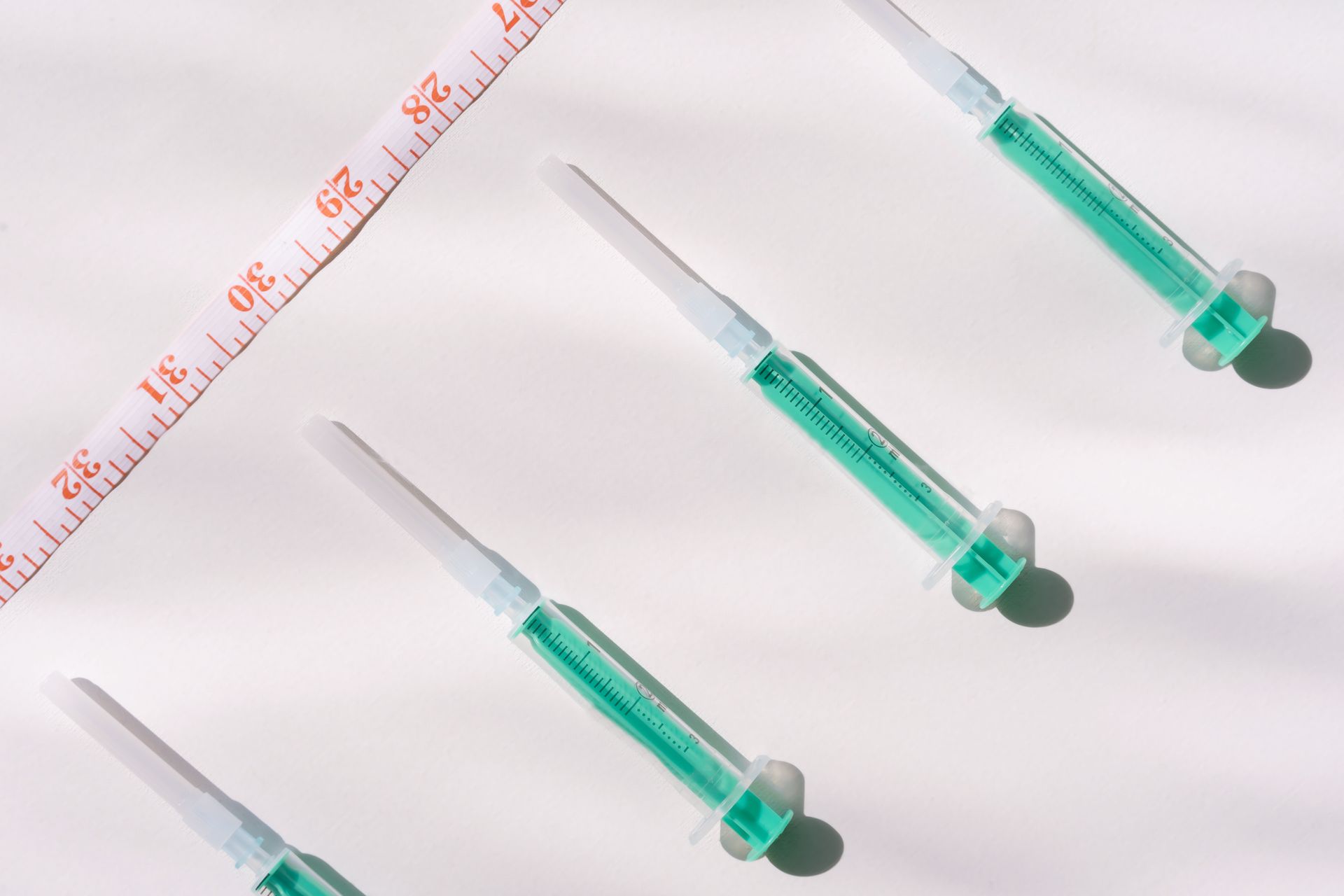
Weight-loss drugs can cut breast cancer risk by up to 30 percent, studies suggest
Three studies presented at ASCO 2026 suggest GLP-1 class weight-loss drugs can reduce the risk of developing or dying from breast cancer by up to 30 percent. The findings open debate over whether the jabs should join the cancer-fighting toolkit.

Global coalition fast-tracks three Ebola vaccines with 62 million dollar funding
A global coalition led by CEPI has announced 62 million dollars in funding to fast-track three vaccine candidates against the growing Ebola outbreak in Congo, where no licensed vaccine currently exists. The effort targets the Bundibugyo strain.